Startups & Funding
Zanskar raises $115M to scale AI-driven geothermal exploration
Zanskar raised $115 million in Series C funding to use AI for identifying conventional geothermal sites, aiming to prove the potential is significantly higher than current estimates.
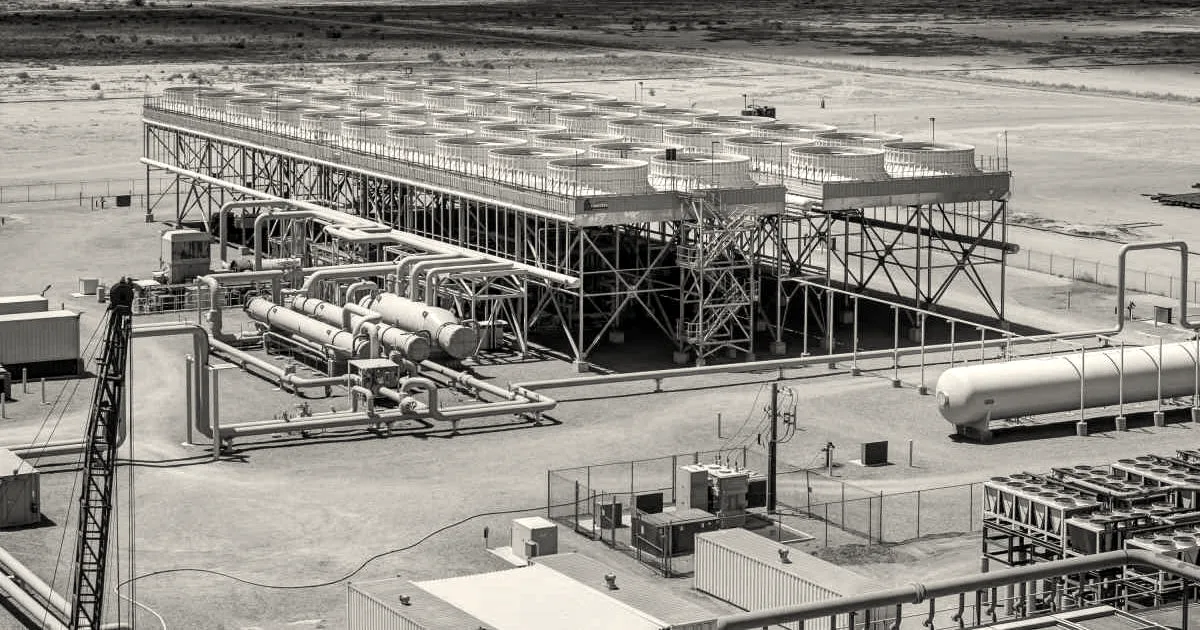
Zanskar, a geothermal energy startup, has raised $115 million in a Series C funding round. The investment was led by Spring Lane Capital, with participation from a broad group of venture firms including Union Square Ventures, Lowercarbon Capital, and Munich Re Ventures. The company plans to use the capital to scale its artificial intelligence-driven exploration platform, which targets conventional geothermal energy. Unlike enhanced geothermal energy—which relies on fracking techniques to access deep hot rock—conventional geothermal taps naturally fractured hot spots.
The startup’s technology aims to unlock conventional geothermal resources that have historically been difficult to locate. In the United States, conventional geothermal has remained stagnant, generating 4 gigawatts of power, which represents an increase of only about a gigawatt over the last decade. The Department of Energy (DOE) estimates that geothermal power could generate 60 gigawatts by 2050, representing nearly 10% of U.S. electricity. However, Zanskar co-founder and CEO Carl Hoiland argues this estimate is too low because it discounts conventional geothermal’s true potential. Hoiland believes that undiscovered conventional systems may be underestimated by an order of magnitude or more, which could elevate geothermal energy to a terawatt-scale opportunity.
To find these hidden resources, Zanskar relies on machine learning. About 95% of geothermal systems lack surface indicators like hot springs or volcanoes, meaning they are typically discovered only by accident. Zanskar trains its machine learning models on historical data, including these accidental discoveries, to identify promising locations. Once a site is selected, the company applies a statistical method known as Bayesian evidential learning. This approach uses existing data to establish initial assumptions, or “priors,” and then runs models to falsify those hypotheses, generating probability outcomes for the site’s viability.
The company’s exploration model has already shown early success. After successfully testing its approach across three initial sites, Zanskar has built a pipeline of sites that Hoiland estimates can support at least a gigawatt of generating capacity. The startup is currently focusing its efforts on the U.S. West, where geothermal potential is highest. Zanskar aims to identify at least 10 confirmed sites to secure project finance, a cheaper source of capital than venture funding, to help transition its discoveries into active power generation. “We now know this is the future of exploration,” Hoiland said.
Why it matters
Zanskar’s $115 million round highlights a shift in climate tech toward using AI to de-risk exploration for conventional geothermal, challenging conservative government estimates of the sector’s capacity.