Apps & Consumer
WordPress.com now lets AI agents draft and publish content
WordPress.com now allows AI agents to draft, edit, and publish content, a move that could speed up website creation while increasing machine-generated content on the web.
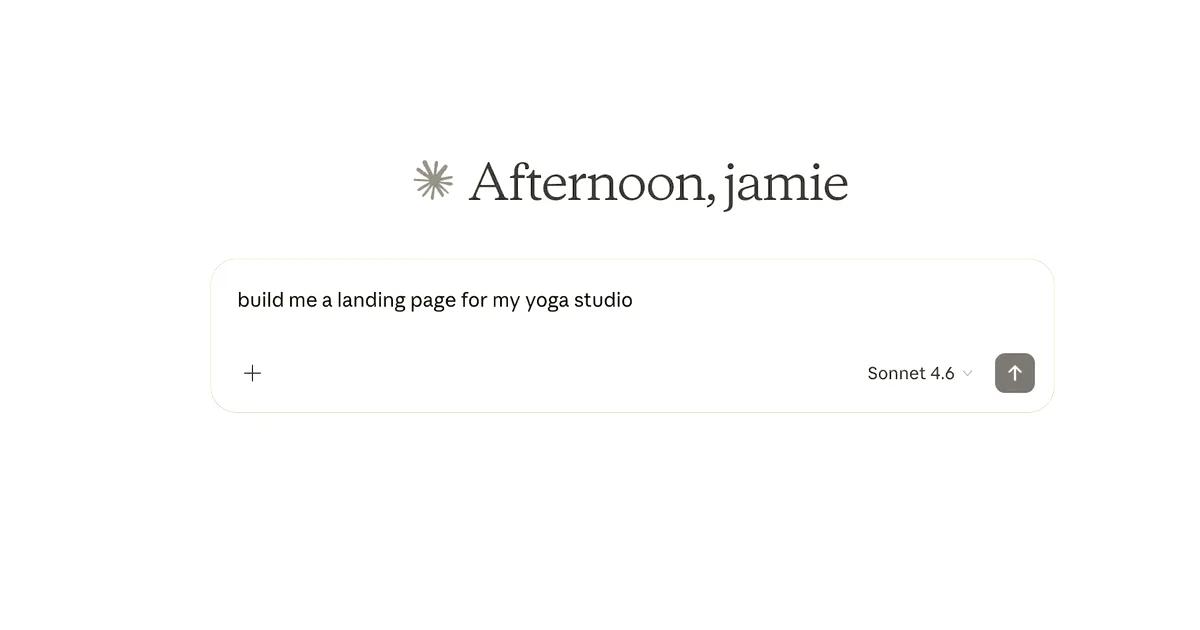
On Friday, WordPress.com announced new capabilities that allow AI agents to draft, edit, and publish content on customers’ websites. While these tools automate several aspects of site management, the company notes that all changes require the user’s approval, and posts written by AI are saved as drafts by default. Users control the system through an interface where they explain what they want to do using natural language commands.
The shift is notable given the platform’s massive footprint. WordPress powers over 43% of all websites on the internet. While the hosted version at WordPress.com represents only a fraction of that total, its network of websites still attracts 20 billion monthly page views and 409 million monthly unique visitors.
This update builds on the platform’s introduction of support for MCP (Model Context Protocol; a standard for connecting AI models to data) last fall. To use the new features, customers can toggle on the capabilities at wordpress.com/mcp and connect their preferred AI client, such as Claude, Cursor, VS Code, or ChatGPT. Once connected, the AI agent can search the site’s theme and design before it begins creating content, allowing it to match existing colors, fonts, spacing, and block patterns.
Using natural language commands, users can direct AI agents to perform several specific tasks, with all changes tracked through the site’s Activity Log:
- Drafting, editing, and publishing posts, landing pages, and About pages.
- Approving, replying to, and cleaning up comments.
- Creating, renaming, and restructuring categories and tags.
- Fixing alt text, captions, and titles to improve search engine optimization (SEO).
- Authoring drafts for the AI agent to publish, tag, and categorize, along with a meta description.
These expanded capabilities could greatly speed up the creation of websites where humans are not doing much of the content creation. While this lowers the barrier to maintaining websites, it also introduces the potential for a significant increase in machine-generated content across the web. The company pointed to other industry experiments with automated content, such as Anthropic letting an AI write a blog with human oversight, and Meta’s acquisition of Moltbook, a social network where AI agents posted and connected with one another.
Why it matters
WordPress.com’s integration of AI agents lowers the barrier to maintaining websites, but it also signals a broader shift toward a web increasingly populated by machine-generated content.