Apps & Consumer
Waymo resumes freeway robotaxi routes after safety pause
Waymo is gradually restoring freeway routes for its robotaxis, starting in Phoenix, more than two months after pausing them over how the vehicles behaved near construction zones.
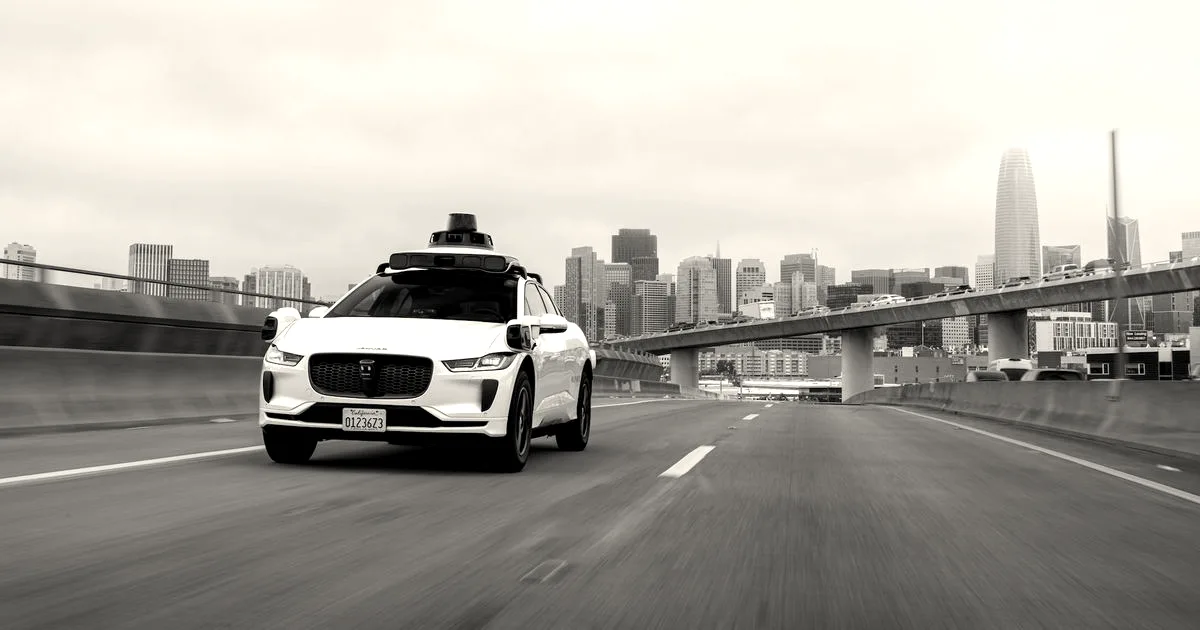
Waymo announced Wednesday in a post on X that it would gradually add freeway routes back across its service area, starting with Phoenix — the company’s first driverless ride-hailing market. Los Angeles and the San Francisco Bay Area would follow in the coming days, a Waymo spokesperson told TechCrunch.
In an emailed statement, Waymo said it was “resuming freeway operations across its entire service area, including areas with construction, after implementing software updates designed to improve performance around freeway construction zones.” Those updates included enhanced scene recognition and routing, according to the company.
The pause and restart come amid increased scrutiny of Waymo and other robotaxi operators, particularly over how self-driving vehicles behave in high-traffic situations and around emergency responders. Earlier this week, Rep. Kevin Mullin (D-Calif.) proposed a bill that would direct federal regulators to set minimum national safety standards for autonomous vehicle operators, following incidents in which autonomous vehicles blocked ambulances and fire trucks, drove into active crime scenes, and failed to recognize safety signals such as traffic cones and flares.
Waymo began offering freeway robotaxi rides across San Francisco, Phoenix, and Los Angeles in November 2025 — a critical expansion meant to attract riders with shorter commute times and faster airport access — and later added freeway routes in Miami. The feature proved popular, and when it suddenly disappeared in May, riders asked why on social media. At the time, Waymo told TechCrunch it wanted to improve robotaxi performance in construction zones while it integrated recent technical updates into its software.
Weeks later, Waymo voluntarily recalled its fleet of nearly 4,000 robotaxis after identifying at least 13 instances of vehicles driving into highway sections closed for construction, according to a filing submitted to the National Highway Traffic Safety Administration in June. A Waymo spokesperson said no injuries or collisions were reported in connection with the incidents, but the company decided to temporarily restrict freeway operations after reviewing them.
This was Waymo’s sixth robotaxi recall. Previous recalls addressed software issues after its vehicles drove into flooded roads and behaved illegally around school buses.
Why it matters
The restart tests whether Waymo’s software fixes hold up under real traffic just as federal lawmakers push for the industry’s first minimum national safety standards, a signal that robotaxi operators now face regulatory pressure on top of technical ones.