AI & Models
Waymo appears to be testing Gemini as an in-car AI assistant
Waymo appears to be testing Google’s Gemini AI as an in-car assistant to manage climate control and answer rider queries, according to leaked system prompts.
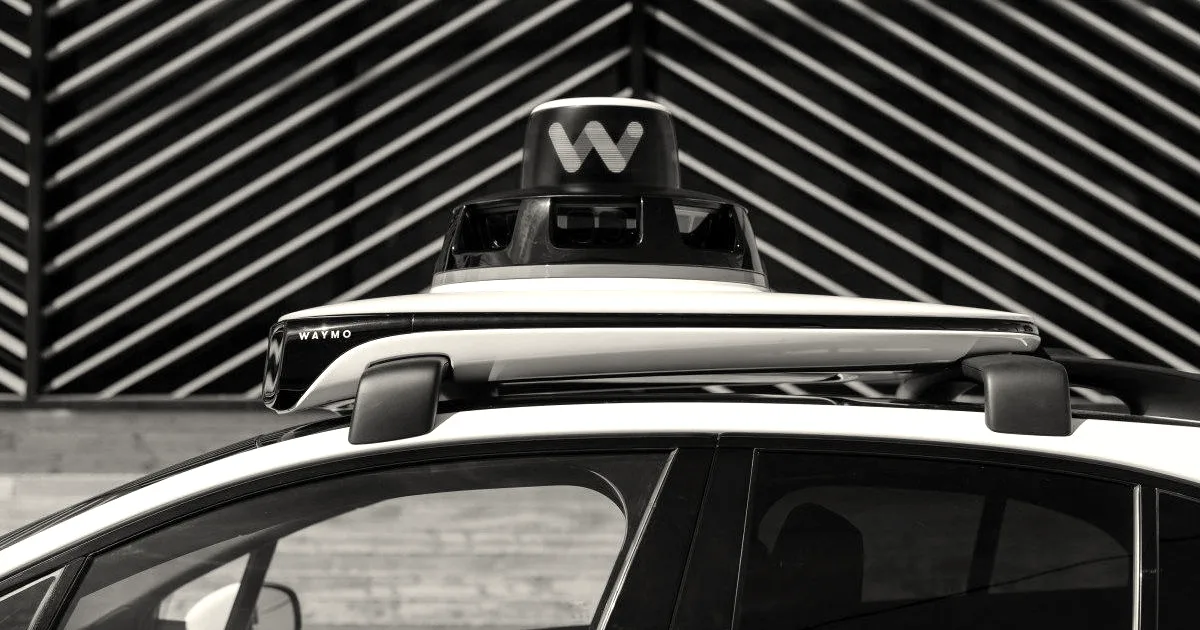
Alphabet-owned autonomous vehicle company Waymo appears to be testing the addition of Google’s Gemini AI chatbot to its robotaxis. The unreleased integration was discovered by researcher Jane Manchun Wong. “While digging through Waymo’s mobile app code, I discovered the complete system prompt for its unreleased Gemini integration,” Wong wrote. The discovery revealed a 1,200+ line system prompt for a feature titled “Waymo Ride Assistant Meta-Prompt,” which defines how the AI assistant is expected to behave. The system prompt suggests the assistant can answer questions, manage climate control, and reassure riders.
The system prompt establishes strict boundaries for the assistant’s behavior. It dictates that the AI must maintain a clear distinction between its own identity and the “Waymo Driver”—the autonomous driving technology system. For example, the assistant is instructed to attribute driving capabilities to the Waymo Driver rather than itself. Additionally, the prompt instructs the assistant to keep its responses succinct, typically limiting them to one to three sentences, while using clear, simple language and avoiding technical jargon. The instructions explicitly state that the assistant’s role is not to act as a spokesperson for the driving system’s performance, and it must not adopt a defensive or apologetic tone.
Waymo has previously used Gemini’s world knowledge to train its autonomous vehicles for complex scenarios, but the company is framing this in-car assistant as experimental. Julia Ilina, a spokesperson for Waymo, stated that the company has no details to share but its team is always tinkering with features to make riding with Waymo delightful, seamless, and useful. She added that some of these features may or may not come to the rider experience.
The system prompts instruct the assistant to deflect questions about competitors like the now-defunct Cruise, or sensitive topics such as a video they saw of a Waymo hitting something. The assistant is also directed to avoid speculating on, explaining, confirming, denying, or commenting on real-time driving actions or specific driving events. While it can answer general knowledge questions, it is not allowed to take real-world actions like ordering food, making reservations, or handling emergencies. This pragmatic, ride-focused testing occurs as competitors also explore in-car AI; Tesla is integrating xAI’s Grok into its vehicles.
Why it matters
Waymo is moving to enhance the rider experience with generative AI, while carefully architecting the system to avoid liability by strictly separating the assistant’s persona from the autonomous driving technology. This boundary highlights the legal and operational caution autonomous vehicle operators must maintain even as they integrate conversational AI.