Chips & Hardware
Waymo expands robotaxi service to Miami, eyes 1 million weekly trips
Waymo has launched its public robotaxi service in Miami, initially opening access to nearly 10,000 waitlisted residents as it pursues a goal of 1 million weekly trips by 2026.
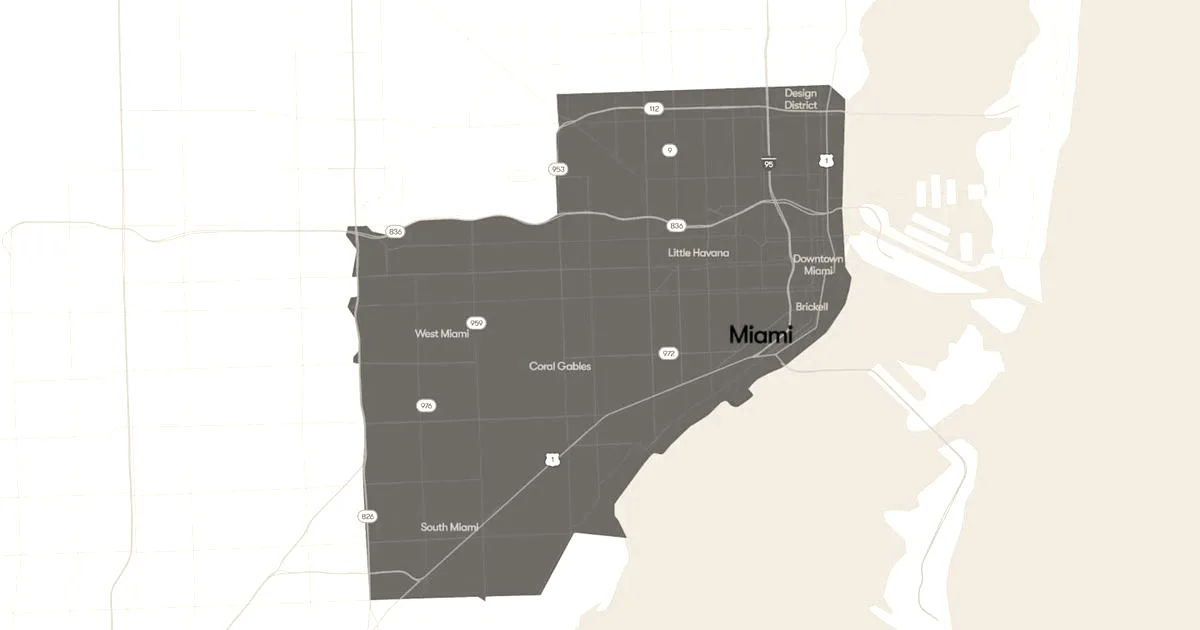
Waymo has officially opened its robotaxi service to the public in Miami. The company announced the launch on Thursday, initially opening the service on a rolling basis to nearly 10,000 local residents on its waitlist. Once accepted, riders can hail a driverless ride within a 60-square-mile service area in Miami. Waymo also plans to expand the service to Miami International Airport soon, though it has not provided a specific timeline.
The Miami launch follows Waymo’s established phased playbook. After mapping and testing its autonomous vehicles on public roads, the company removed safety operators from the fleet in November, initially limiting the driverless service to employees. Waymo first opened its robotaxis to the general public in Phoenix in 2020, expanded to San Francisco and Los Angeles before opening to all riders there in 2024, and eventually pushed into the wider Bay Area and Silicon Valley. In spring 2025, Waymo launched robotaxi services in Atlanta and Austin in partnership with Uber.
The company is now executing an aggressive plan to bring its robotaxi service to nearly a dozen more cities over the next year, including Dallas, Denver, Detroit, Houston, Las Vegas, Nashville, London, San Diego, Seattle, and Washington, D.C. This expansion is tied to the company’s growth targets. During an interview last October, Waymo co-CEO Tekedra Mawakana stated that “by the end of 2026, you should expect us to be offering 1 million trips per week.”
However, this scaling has been accompanied by operational and regulatory challenges. In cities like San Francisco, residents have documented Waymo vehicles creating traffic jams, notably during a widespread power outage in December. More critically, the company has drawn scrutiny from federal regulators. The National Highway Traffic and Safety Administration (the US federal safety regulator) and its Office of Defects Investigation (the Office of Defects Investigation, a division of the NHTSA) opened an investigation into the company last October over how its robotaxis operated around a stopped school bus in Atlanta. School officials in Austin have also complained about Waymo vehicles moving past school buses with active safety lights and stop signs. Although Waymo issued a voluntary software recall to address the issue, subsequent videos showing Waymo vehicles illegally passing school buses suggest the problem persists.
Why it matters
Waymo’s Miami launch is a key milestone in its aggressive expansion strategy, though the company faces significant regulatory headwinds regarding safety incidents that could complicate its path to scaling operations.