Compute & Cloud
Vema Hydrogen targets data centers with geologic hydrogen
Vema Hydrogen has signed a deal to supply California data centers, aiming to produce low-cost geologic hydrogen that could eventually undercut traditional industrial production methods.
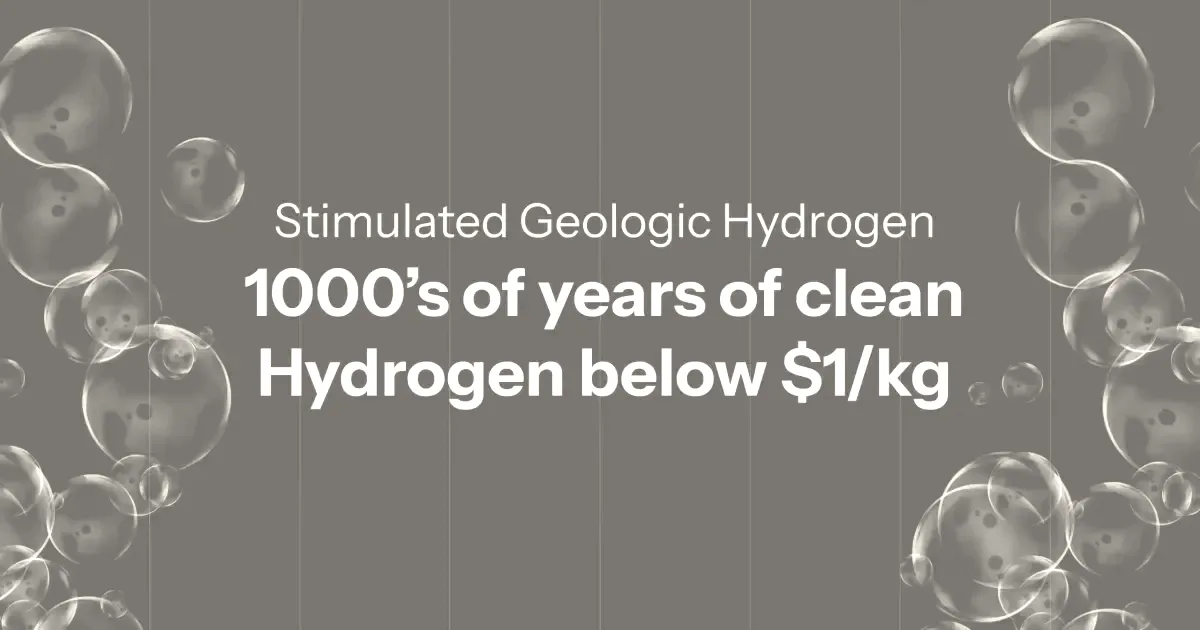
Vema Hydrogen has secured a contract to supply data centers in California, following the completion of a pilot project in Quebec to generate hydrogen for industrial use. The startup, which signed the California supply agreement in December, extracts hydrogen from deep underground. The process targets ophiolite—an iron-rich rock type pushed up from the ocean bottom by plate tectonics—which releases hydrogen gas when treated with water, heat, pressure, and catalysts. Vema then draws the hydrogen to the surface to sell to industrial users.
The company’s pilot project in Quebec demonstrated the feasibility of generating hydrogen from these underground formations. “To supply the Quebec local market, which is about 100,000 tons per year, you would need 3 square kilometers, which is nothing,” said Pierre Levin, CEO of Vema. The company’s first pilot well will produce several tons of hydrogen per day. Next year, Vema plans to drill its first commercial well, which will reach a depth of 800 meters. Vema expects to produce hydrogen from these initial wells for less than $1 per kilogram, a widely used benchmark for clean hydrogen. After refining its techniques, Levin expects the company to produce hydrogen for less than 50 cents per kilogram.
At these price targets, Vema aims to compete directly with steam reforming of methane (SMR). SMR is the standard industrial process that uses steam to break hydrogen molecules off methane from natural gas, an energy-intensive method that releases carbon dioxide. According to the IEA, hydrogen produced via SMR currently costs between 70 cents and $1.60 per kilogram. Adding carbon capture to SMR to reduce emissions increases those costs by around 50%, while the cleanest process of using zero-carbon electricity to power an electrolyzer drives costs up several fold. Stimulated geologic hydrogen, which the Oxford Institute for Energy Studies identifies as one of the cleanest hydrogen sources, offers a lower-cost, decarbonized alternative. Because the targeted iron-rich rocks are widely distributed, Vema plans to drill wells close to customers. Levin noted that the company has strong traction with numerous data centers that are trying to secure baseline, decarbonized electricity.
Why it matters
Vema Hydrogen’s ability to produce low-cost, geologically sourced hydrogen could influence the geographic placement of data centers by providing a source of baseline, decarbonized electricity.