Startups & Funding
Unastella lands $24M Series B to challenge global launch market
South Korean rocket startup Unastella has raised $24 million in Series B funding, bringing its total capital to $44 million to accelerate its commercial launch vehicle development.
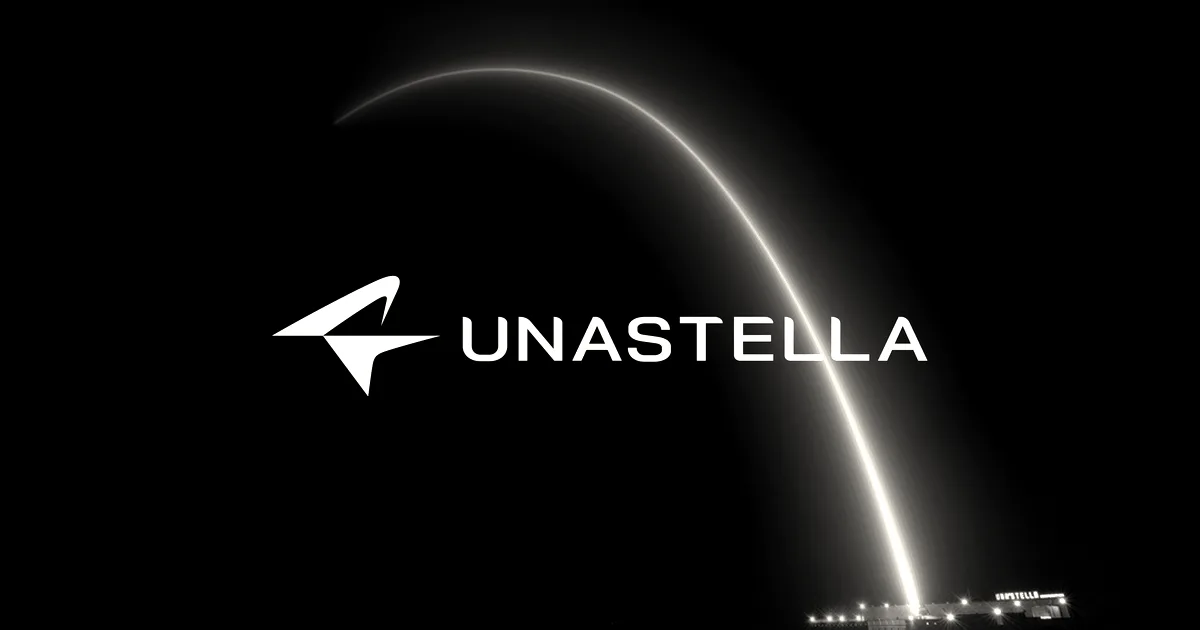
South Korean rocket startup Unastella has closed a $24 million Series B funding round, bringing its total funding to $44 million. The startup plans to use the new capital to advance its launch vehicle technology and business model. The four-year-old company, which launched its UNA EXPRESS-I rocket in May 2025, is shifting its focus toward commercial launch services. The Series B round was led by Altos Ventures.
To accelerate its path to market, the 22-person startup is prioritizing commercial speed over pure research and development. Unastella’s propulsion system uses kerosene and liquid oxygen, similar to systems developed by SpaceX, which serves as an industry competitor and benchmark for propulsion systems. The company has replaced traditional turbo pumps with electric motor pumps. While electric motor pumps are heavier and reduce potential payload capacity, they offer a simpler and cheaper alternative. “We’re not an R&D group trying to build the most impressive rocket,” said Jae Park, founder and CEO of Unastella. The company is currently working toward the launch of its UNA EXPRESS-II rocket, which has a target altitude of 100 kilometers.
Unastella is entering a highly competitive global space launch market. According to Grand View Research, the global market was worth roughly $15 billion in 2023 and is projected to nearly triple to $41 billion by 2030. This growth comes as SpaceX prepares for an upcoming IPO that could be the largest in history, prompting a broader race across Asia—including Australia, India, Japan, and South Korea—to challenge the historical dominance of the U.S.
Within South Korea, the government is actively supporting the private sector. South Korea’s national space agency, KASA, which was established in 2024, has committed $266 million over seven years to build launch infrastructure. Unastella has also established relationships with the Korea Aerospace Research Institute (KARI), which serves as a technology partner and is the former employer of Park. KARI has transferred electric motor pump technology to the startup. However, Unastella faces stiff domestic competition from several players:
- Hanwha Aerospace, a defense conglomerate that acquired full technology rights to the government-built Nuri rocket from KARI.
- Innospace, a competitor that has conducted a suborbital launch.
- Perigee Aerospace, another startup developing its own launch vehicle.
Why it matters
Unastella’s funding highlights the intensifying competition in the global space launch market, where Asian startups are increasingly challenging established players by prioritizing commercial speed and cost-effective propulsion technology.