Chips & Hardware
Ultrahuman targets U.S. recovery after $50M import setback
Ultrahuman is reviving its U.S. business with the Ring Pro launch, aiming to recover from import restrictions that cost the company up to $50 million in sales.
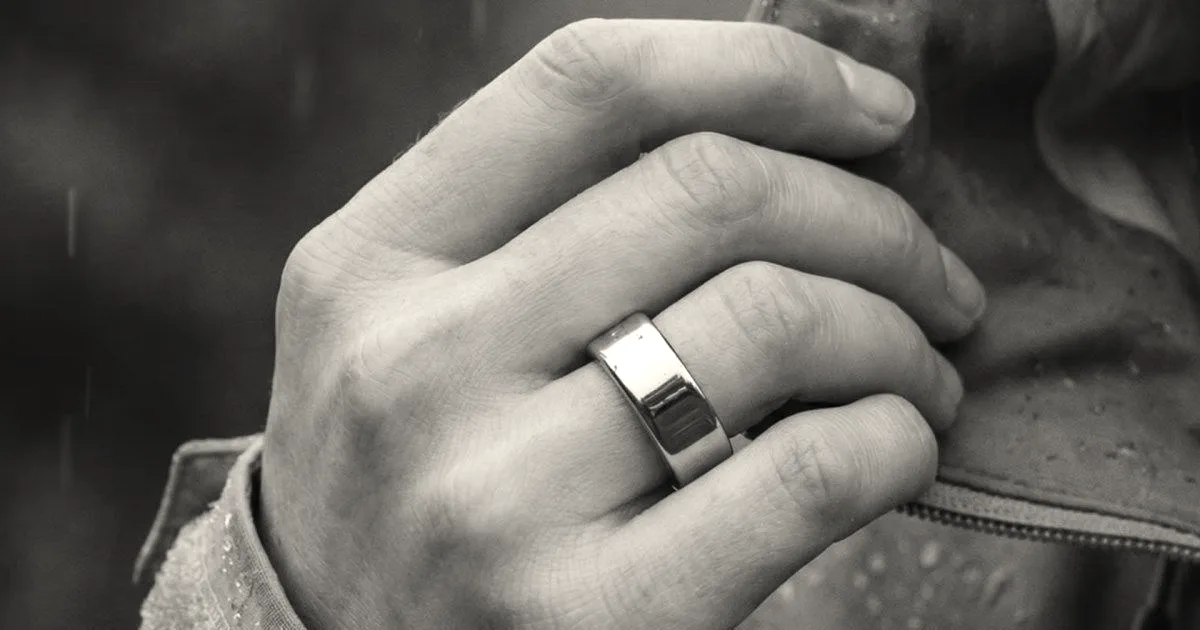
Bengaluru-based health tech startup Ultrahuman is attempting to revive its U.S. business after securing approval for its Ring Pro from U.S. Customs and Border Protection (CBP). The regulatory clearance comes less than a month after the Ring Pro’s global launch in late February. It follows an October ruling by the U.S. International Trade Commission in favor of Oura that effectively curtailed imports of Ultrahuman’s smart rings into the U.S. According to CEO Mohit Kumar, these import restrictions cost the company up to $50 million in lost sales, as it was temporarily unable to import its existing Ring Air model. Ultrahuman plans to ramp up its U.S. rollout immediately.
The U.S. remains the most critical market for smart rings, accounting for about 2.6 million units sold in 2025, which represents roughly 60% of global smart ring sales, according to data from market research firm IDC. During Ultrahuman’s absence, competitor Oura expanded its dominance in the U.S. market. To regain its footing, Ultrahuman has opened U.S. preorders for the Ring Pro, with shipping set to begin on May 15. The device starts at $399, with early preorders priced at $349 for the first 1,000 customers, representing a key part of its market entry strategy.
Despite the new product launch, the legal battle between the two companies continues. Ultrahuman is fighting the previous restrictions in court, with Kumar stating that the company believes the Ring Air is a non-infringing model and is fighting that in federal court in the U.S. Meanwhile, Oura maintains that the dispute is far from resolved. In a statement, Oura asserted that “the recent CBP decision is not a final or comprehensive ruling on Ultrahuman’s new design,” noting that the decision does not resolve its broader patent disputes with Ultrahuman.
As Ultrahuman pushes back into the U.S., the rivalry is also intensifying in other regions, including Europe, Asia, and India. Oura entered India last week with the launch of its Ring 4, setting the stage for a broader rivalry across key markets. While Ultrahuman currently leads the Indian market, it faces local competition from players like Gabit. This cross-border expansion highlights how the battle for smart ring dominance is shifting from a purely U.S. focus to a global scale.
Why it matters
Ultrahuman’s U.S. return highlights the high stakes of the smart ring market, where regulatory hurdles and patent disputes are as critical to success as hardware innovation.