Apps & Consumer
Uber plans Houston robotaxi launch for 2027
Uber plans to launch a premium robotaxi service in Houston by mid-2027, marking its second U.S. market as it deepens partnerships with Lucid and Nuro.
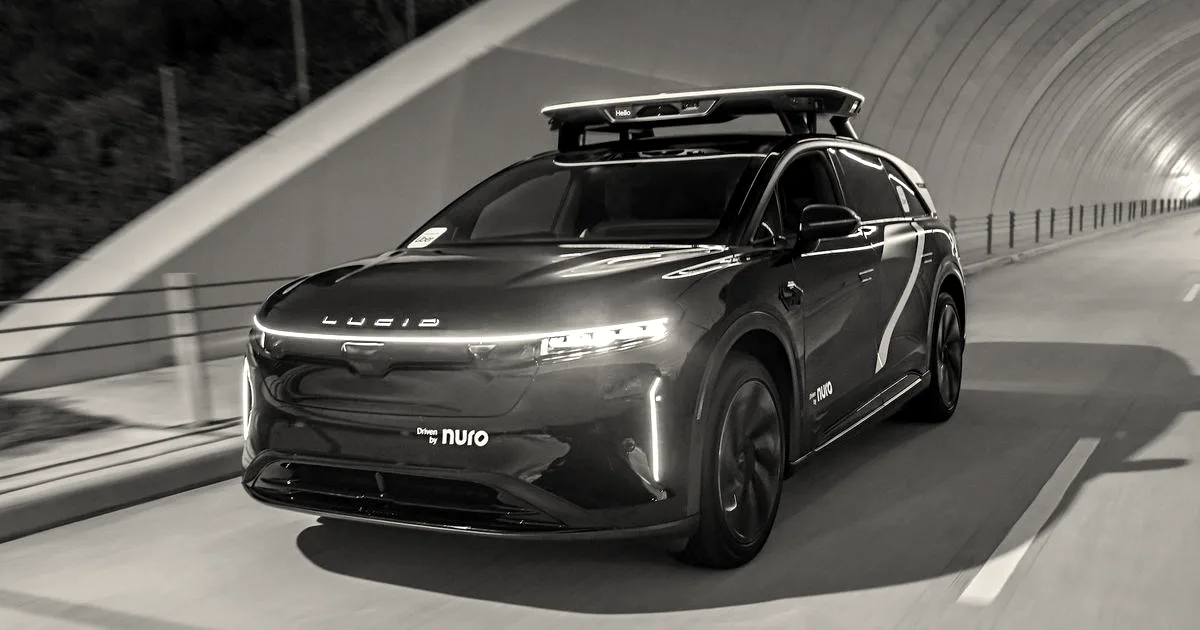
Uber plans to launch a premium robotaxi service in Houston by mid-2027. The expansion marks the second U.S. market for the ride-hailing company’s partnership with electric vehicle manufacturer Lucid and autonomous vehicle technology startup Nuro. The announcement follows a flurry of activity in the San Francisco Bay Area, where the three companies are preparing to offer a robotaxi service later this year. Uber eventually plans to take the robotaxi program to dozens of cities in the coming years.
The focus on San Francisco and Houston puts Uber in direct competition with Waymo, the Alphabet-owned autonomous vehicle company that currently operates commercial robotaxi services in both cities. Nuro has spent months testing Lucid Gravity SUVs equipped with its self-driving system in San Francisco, allowing Uber employees to hail the vehicles. However, these vehicles still aren’t driverless. This remains true despite Nuro receiving a permit last month from the California Department of Motor Vehicles that would allow it to remove the safety driver—defined as a human operator in a self-driving vehicle. Nuro’s test fleet is expected to expand in the coming weeks as Lucid begins manufacturing the first production versions of the robotaxis at its Arizona factory.
Uber is preparing for the launch by expanding its physical footprint and testing infrastructure. The operational details and financial commitments behind the partnership include:
- A 50,000-square-foot depot: Uber has established this facility and a dedicated charging pit stop to act as its operations hub in Houston.
- A 100-vehicle fleet: Uber and Nuro have a combined engineering fleet of 100 autonomous vehicles testing on public roads with safety operators behind the wheel in Houston.
- An investment of about $500 million in Nuro: TechCrunch reported on this investment in May. The funding has boosted Nuro, which in 2024 pivoted away from building its own delivery robots to licensing its self-driving technology.
- A $500 million investment in Lucid: Uber has committed to this investment and has agreed to purchase a minimum of 35,000 robotaxi-ready Lucid vehicles. The Lucid Gravity robotaxi, unveiled in January, is outfitted with high-resolution cameras, radars, and solid-state lidar sensors—which are hardware components used for autonomous perception.
Why it matters
Uber is scaling its autonomous strategy to a second U.S. market, directly challenging Waymo while betting heavily on its manufacturing and tech partners, Lucid and Nuro.