Chips & Hardware
Rivian partners with Uber to build robotaxis
Rivian is partnering with Uber to build robotaxis based on its R2 SUV, a deal that could be worth up to $1.25 billion and includes an initial $300 million investment.
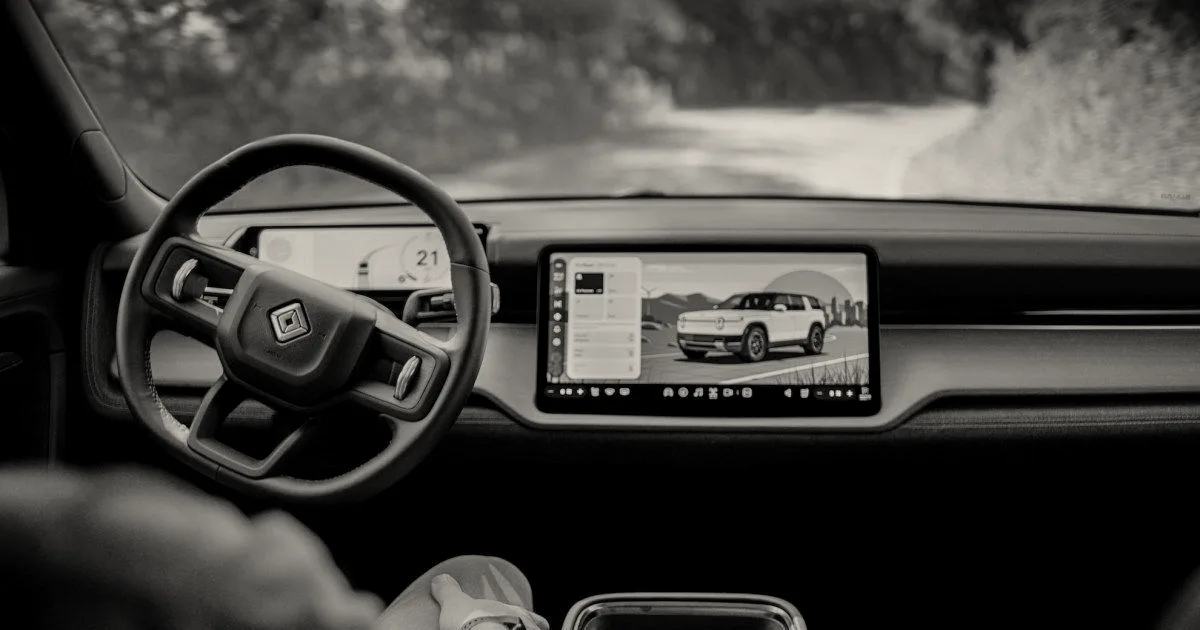
Electric vehicle manufacturer Rivian has partnered with ride-hail giant Uber to develop robotaxis based on Rivian’s upcoming R2 SUV. Under the agreement, which could be worth up to $1.25 billion, Uber is making an initial $300 million investment in Rivian. Uber is expected to purchase 10,000 fully autonomous R2 robotaxis for a planned rollout in San Francisco and Miami in 2028.
While potentially lucrative, the agreement is brimming with risk and challenges for Rivian. The automaker has not started producing the R2 SUV yet, with manufacturing expected to begin by June. Furthermore, Rivian has not tested or deployed a self-driving system designed for robotaxis, and the vehicles are slated to be built at its Georgia factory, which is still under construction.
Despite these hurdles, the companies have outlined an ambitious expansion timeline:
- 2028: Initial robotaxi rollout in San Francisco and Miami.
- 2030: Uber holds the option to buy up to 40,000 additional autonomous R2 SUVs.
- End of 2031: Target launch in 25 cities across the U.S., Canada, and Europe.
Rivian founder and CEO RJ Scaringe has prioritized automated driving technology, shifting the company in 2021 from its previous rules-based driver-assistance framework to a new strategy. The Rivian Autonomy Platform, which debuted in 2024, serves as the foundation for these efforts. Rivian plans to launch upgraded hardware in a version of the R2 SUV in late 2026, featuring an autonomy computer capable of processing 5 billion pixels per second. The ultimate goal is to achieve what the industry calls SAE Level 4 autonomy—where a vehicle can drive itself under specific conditions without human intervention—which Rivian refers to as personal L4. Speaking about the company’s financial commitment to this technology, Scaringe noted, “Our path to get to hands-off, eyes-off in 2027 is something we’re spending more money on than anything else,”
For Uber, the partnership is part of a broader strategy to scale its network by integrating multiple autonomous vehicle developers. The ride-hail provider has established partnerships with other companies, including Waymo—owned by Alphabet—whose robotaxis operate on Uber’s app in Austin and Atlanta. Uber has also partnered with EV startup Lucid Motors and autonomous vehicle technology firm Nuro to build robotaxis, maintains agreements with Motional and Baidu, and is an investor in startup Wayve.
Why it matters
Rivian’s pivot to robotaxis is a high-stakes bet on autonomy that tests whether the company can scale manufacturing and software simultaneously, despite significant execution risks.