Apps & Consumer
Uber taps Hertz affiliate to manage its robotaxi fleet
Uber is partnering with Hertz’s new affiliate, Oro Mobility, to manage its robotaxi fleet, with a service launch expected in the San Francisco Bay Area by late 2026.
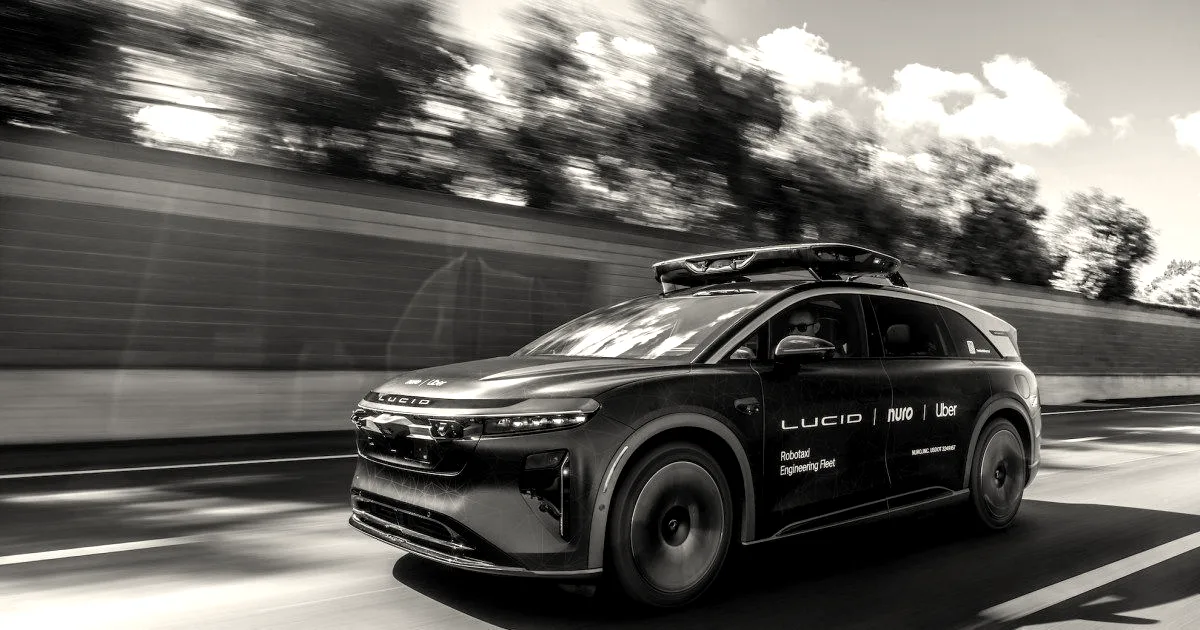
Uber is partnering with Hertz to manage its upcoming robotaxi service—autonomous vehicles used for ride-hailing. Under the agreement announced on Thursday, rental company Hertz will provide “day-to-day vehicle asset management, including charging, maintenance, repairs, cleaning, and depot staffing.” Hertz is managing this work through a newly established affiliate called Oro Mobility, which is designed to provide integrated fleet management solutions across multiple mobility segments. The robotaxi service, which will use Lucid Motors’ Gravity SUVs and Nuro’s self-driving technology, is supposed to launch by the end of 2026 in the San Francisco Bay Area.
The partnership represents a strategic shift for Hertz, which went through a bankruptcy restructuring process in 2020. The rental company has previously attempted to capitalize on electric vehicle trends with large-scale purchase commitments that were never fully realized. In 2021, Hertz announced plans to buy 100,000 EVs from Tesla, a move that helped push Tesla’s valuation to $1 trillion. This was followed in 2022 by announcements to purchase up to 175,000 EVs from General Motors and 65,000 from Polestar. However, Hertz began a fire sale of these vehicles in early 2024 due to high maintenance costs and vehicle price depreciation.
By launching Oro Mobility, Hertz aims to address what it describes as an operations gap as the industry transitions to autonomous fleets. According to a Hertz press release, Oro aims to fill a critical orchestration and operations gap as the market transitions from personally owned vehicles to commercially operated driver-led and autonomous fleets. This strategy mirrors competitors like Avis, which provides fleet management services—such as charging, maintenance, and cleaning—for Waymo. Meanwhile, Uber is aggressively expanding its vehicle pipeline. The ride-hailing company plans to order at least 35,000 robotaxi-ready vehicles from Lucid Motors. This order includes 10,000 Gravity SUVs and an additional 25,000 EVs from Lucid Motors. Uber also holds an equity stake of more than 11% in Lucid Motors. Hertz and Uber have stated they will explore expansion opportunities in 2027 as Uber continues to build partnerships with autonomous vehicle companies around the world.
Why it matters
Hertz is shifting its strategy from vehicle ownership to fleet operations, attempting to leverage its physical infrastructure to solve operational bottlenecks for autonomous vehicle developers. This pivot allows the rental giant to participate in the autonomous transition without the capital risk of owning rapidly depreciating EV fleets.