AI & Models
Uber launches AV Labs to collect data for robotaxi partners
Uber is launching a new division, AV Labs, to collect driving data for autonomous vehicle partners, though it is not returning to developing its own robotaxis.
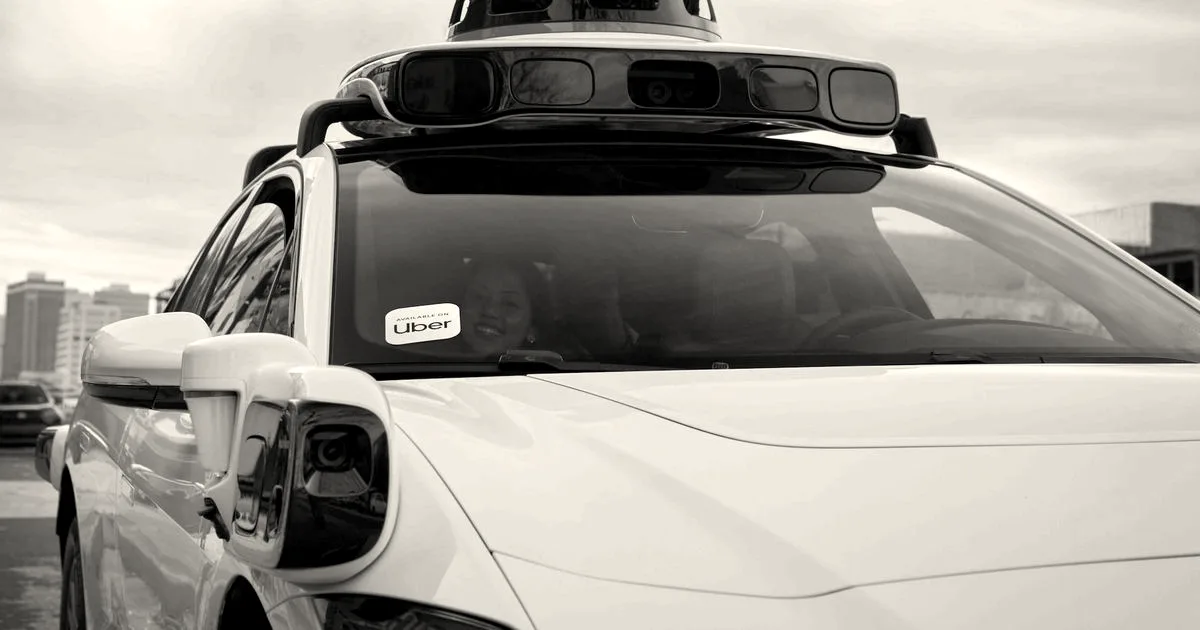
Uber is launching a new division called Uber AV Labs to gather driving data for its autonomous vehicle partners. The company explicitly clarified that it is not returning to developing its own robotaxis. Uber stopped developing its own autonomous vehicles after one of its test vehicles killed a pedestrian in 2018, and the company subsequently sold off the division in 2020. Instead of building its own self-driving fleet, the company will deploy its own cars equipped with sensors to gather real-world road information for other players in the industry.
The new division currently has just one car, but Uber has a target to deploy 100 cars to the road to collect data. The company can pick from 600 cities around the world where it operates to gather this information. This scale is highly attractive to Uber’s more than 20 autonomous vehicle partners, which include Waymo, Waabi, and Lucid Motors. According to Danny Guo, Uber’s VP of engineering, partners have expressed a strong need for this information. “From our conversations with our partners, they’re just saying: ‘Give us anything that will be helpful.’ Because the amount of data Uber can collect just outweighs everything that they can possibly do with their own data collection,” Guo said.
To assist these partners, Uber plans to use shadow mode—a testing method where software runs in the background to compare decisions—and semantic understanding, which serves as a data layer for interpreting driving environments. This approach mirrors the data-heavy strategy used by Tesla, which leverages millions of customer cars driving on roads around the world. However, Uber’s approach will focus on targeted data collection based on the specific geographic needs of its partners.
Praveen Neppalli Naga, Uber’s chief technology officer, stated that the primary goal is to democratize this data because advancing partners’ autonomous technology is more valuable than the immediate revenue Uber could generate. Consequently, Uber will not be charging for the data, at least not yet. Naga expects to grow the new division to a few hundred people within a year. Guo added that the team is taking on the responsibility to unlock the industry and accelerate the ecosystem, even as they start with a scrappy approach to building their first prototype vehicle.
Why it matters
Uber’s move to provide real-world driving data to autonomous vehicle partners signals a shift in the industry toward volume-based training. This approach could accelerate the development of autonomous systems by solving edge cases that virtual simulations miss.