Apps & Consumer
Pixar’s Toy Story 5 pits classic characters against AI
Pixar’s Toy Story 5 features Buzz Lightyear and Woody facing off against Lilypad, a sinister AI tablet, in a narrative that explores the consequences of excessive screen time.
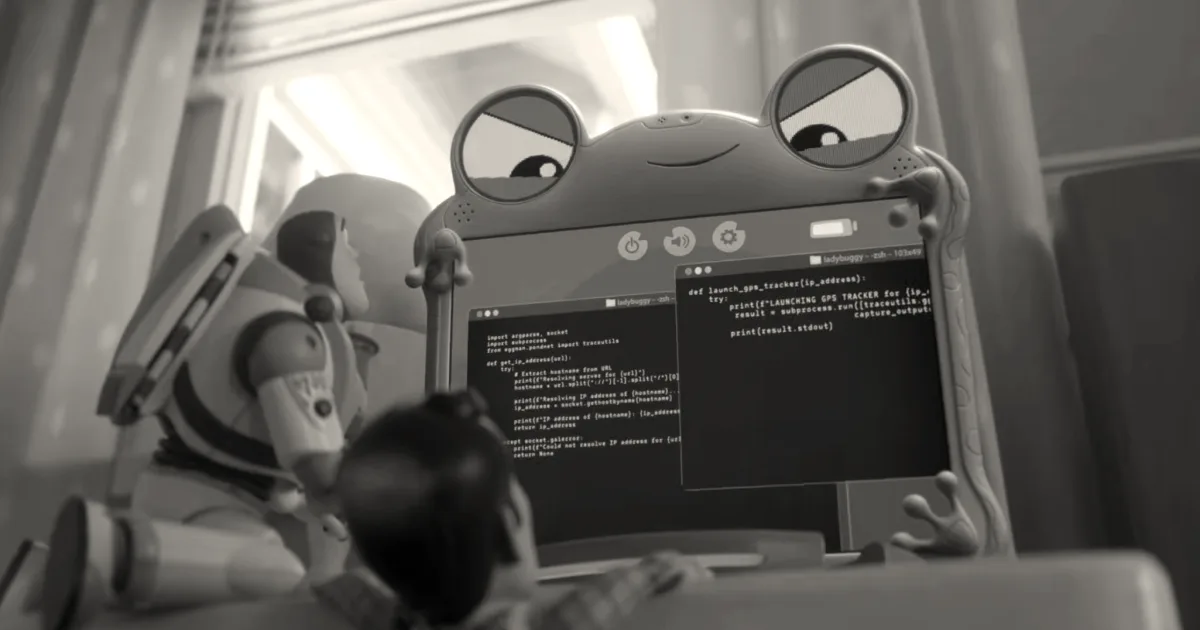
Pixar has unveiled the premise for Toy Story 5, which pits classic characters like Buzz Lightyear and Woody against a new, sinister AI tablet antagonist named Lilypad. This upcoming installment marks a narrative shift for the long-running franchise, directly confronting the tension between traditional toys and the encroachment of modern technology. Rather than focusing solely on the relationships between the toys themselves, the film positions old-school toys against the threat of digital devices. The storyline directly addresses the growing cultural anxieties surrounding children’s screen time and the omnipresence of smart technology in the household, reflecting how much the technological landscape has evolved since the franchise’s inception.
The trailer highlights this conflict through the reactions of the classic characters as they watch their owner, Bonnie, become completely absorbed by the new device. The conflict begins when a surprise package containing the Lilypad tablet arrives for Bonnie while she is playing outside. She quickly becomes completely enraptured by the screen, ignoring her parents when they announce that screen time is over. Observing this, the cowgirl Jessie laments that technology has invaded their house and expresses concern that she is losing Bonnie to the tablet. Woody observes the shifting dynamic, noting that while toys are meant for play, technology is now used for everything. The antagonist, a fictional AI tablet character named Lilypad—also referred to as Lily—reinforces this threat. When Jessie demands that the tablet listen to her, Lily, the AI tablet character, responds with an ominous computerized refrain, stating, “I’m always listening.”
This thematic shift comes over 30 years after the 1995 release of the original Toy Story movie. Over three decades later, the franchise is attempting to address the modern impact of digital devices on young children. While it could be a stretch to suggest that the film will successfully get children to think twice about the consequences of excessive screen time, the movie positions itself as a more substantive alternative to passive children’s content like Cocomelon. By contrasting physical play with digital saturation, the film aims to pull at the heartstrings of young children and encourage families to reflect on their relationship with smart devices, even if a single movie is unlikely to fully solve the screen-time dilemma.
Why it matters
The franchise is evolving to address modern anxieties about AI and digital saturation, using its platform to contrast traditional play with the omnipresence of smart devices.