Chips & Hardware
Aseon Labs raises $10 million to build robotaxi maintenance pods
Aseon Labs raised $10 million to develop automated pods that clean and charge robotaxis, aiming to reduce the "deadhead miles" that currently hinder industry profitability.
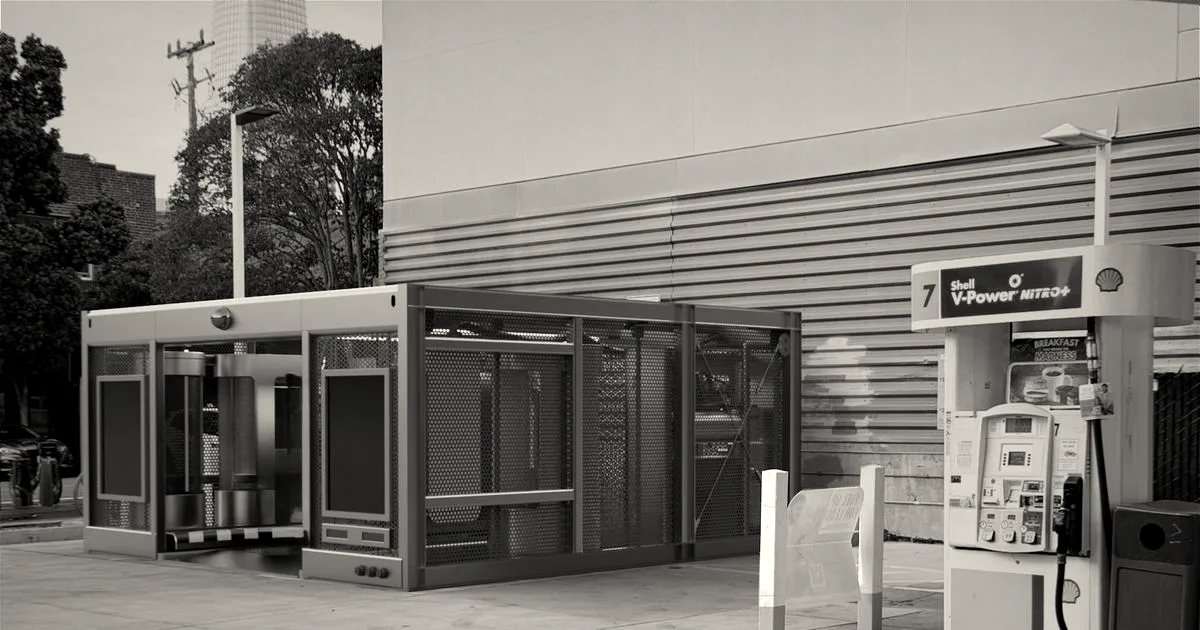
Aseon Labs has raised $10 million in a seed round to develop automated maintenance infrastructure for robotaxis. The funding round was led by Crane Venture Partners, with participation from Y Combinator, Expa, Robin Hood Ventures, and Founders Capital. The startup plans to use the capital to address operational inefficiencies in the autonomous vehicle sector, specifically targeting the physical infrastructure required to keep fleets running.
The company aims to solve the problem of “deadhead miles”—an industry term for miles driven by autonomous vehicles without a paying passenger, such as when they travel to distant depots for servicing. Aseon Labs plans to deploy parking-space-sized automated pods throughout cities like San Francisco to handle cleaning and charging locally. “Depot infrastructure is the key requirement for the launch of a new city for any AV operator,” said George Kalligeros, Aseon Labs co-founder and CEO. By decentralizing these services, the startup intends to increase vehicle utilization. Kalligeros explained that to reach economic parity with ride-hailing and stop subsidizing costs, robotaxis must remain in continuous operation throughout the day’s entire demand curve.
Co-founders George Kalligeros and Dan Keene bring experience from the hardware and micromobility sectors. In 2016, they founded Pushme, a battery-swapping startup in Europe that was acquired by Tier Mobility in January 2020. The founders are applying their previous experience with non-permanent infrastructure to the autonomous vehicle market. Kalligeros noted that their previous work involved deploying infrastructure across multiple markets in a compressed timeframe, which led to a playbook of sprinkling non-permanent locations across city centers where they made the most sense.
With the new seed funding, Aseon Labs plans to build five prototypes of its pods and expand its current six-person team to about a dozen people. While the company has not signed contracts with any robotaxi companies yet, Kalligeros asserted that there is widespread interest in the concept, noting that pretty much everyone wants to try it.
Why it matters
Deadhead miles—miles driven by autonomous vehicles without a paying passenger—are a major barrier to profitability for robotaxi companies. Aseon Labs aims to solve this by deploying distributed, automated pods for cleaning and charging.