Apps & Consumer
Waymo's price gap with ride-hailing services is narrowing
Waymo's price gap with traditional ride-hailing services is narrowing as the company lowers prices and competitors raise them, according to new data from Obi.
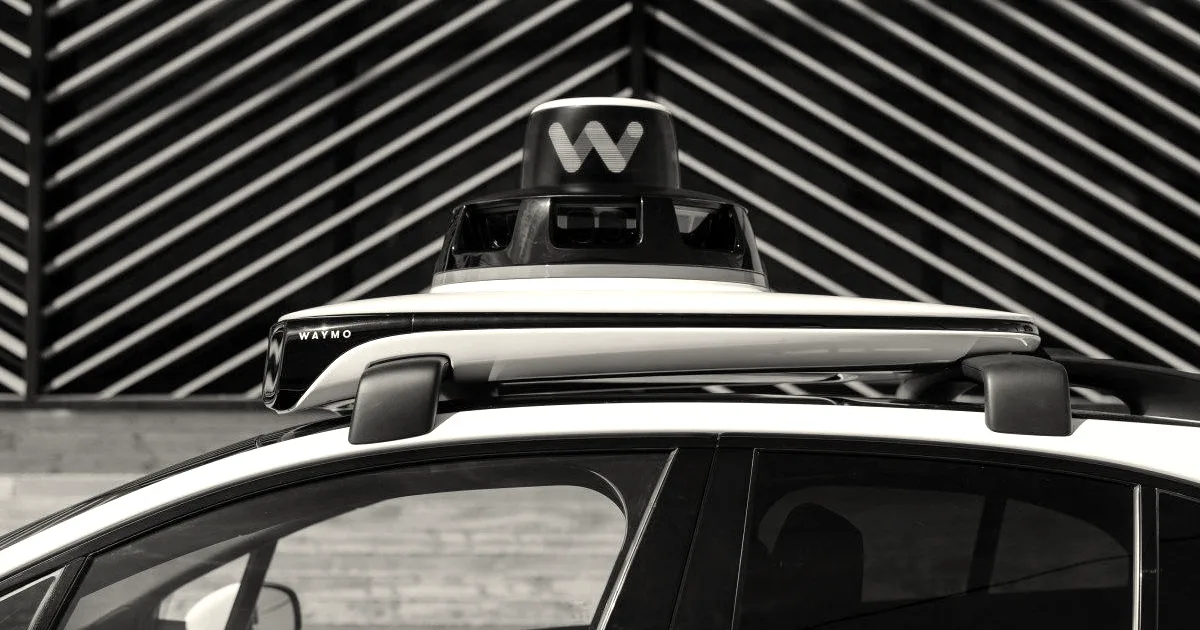
On Tuesday, Obi, a company that aggregates real-time pricing and pickup times across ride-hailing services, published new data showing that the price gap between Alphabet-owned autonomous vehicle company Waymo and traditional ride-hailing services is narrowing. Based on more than 94,000 ride requests simulated by Obi in the San Francisco Bay Area between November 27 and January 1, Waymo has lowered its pricing, at least in that region, while traditional ride-hailing costs on the Uber and Lyft networks have risen.
Comparing this data to previous rides from April 2025, Waymo’s average cost dropped 3.62%, while Uber’s average cost increased 12% and Lyft’s average cost rose 7%.
The average ride costs during the November to January period were:
- Waymo: $19.69
- Uber: $17.47
- Lyft: $15.47
Tesla, an automotive and energy company operating a ride-hail service, has emerged as a competitor whose service appears to be cheaper than Waymo, Uber, and Lyft, but it faces significant operational and regulatory hurdles. Crucially, Tesla doesn’t have the permits required to operate a driverless commercial robotaxi service in the state. Instead of a transportation network company permit, Tesla holds a transportation charter permit from the California Public Utilities Commission (the state regulatory agency), meaning it must use employees to drive vehicles equipped with its Full Self-Driving software (Tesla’s driver-assistance software).
Tesla’s fleet in the San Francisco Bay Area also remains modest. While Robotaxi Tracker (a crowdsourced website) has logged around 168 vehicles in Tesla’s ride-hail fleet, only 156 were spotted by the website during Obi’s data sampling. This smaller fleet size contributed to significantly longer wait times.
The average wait times across the services were:
- Tesla: 15.32 minutes
- Waymo: 5.74 minutes
- Lyft: 5.14 minutes
- Uber: 3.15 minutes
Despite these operational limitations, consumer interest in Tesla remains notable. Obi surveyed 2,000 people across California, Nevada, Arizona, and Texas. When asked which autonomous brand they preferred most, 39.8% of respondents chose Waymo, while 31% preferred Tesla, and 8% chose Zoox. This preference for Tesla was heavily driven by male respondents: 56% of men surveyed preferred Tesla, compared to 25% who preferred Waymo and 7% who chose Zoox.
Regarding Tesla’s current service, Obi CEO Ashwini Anburajan explained: “It’s not really an autonomous vehicle at the moment. It has a safety driver in it. They’re building brand familiarity. They’re building brand preference for people that already like Teslas and people who are inclined to like Tesla,”
Because the novelty of autonomous rides is wearing off, Anburajan noted that Waymo will likely need to price its offering more competitively.
Why it matters
The narrowing price gap between Waymo and traditional ride-hailing services suggests that robotaxi providers are facing increased pressure to price competitively as the novelty of the service wears off.