Chips & Hardware
Forterra deploys over 100 autonomous vehicles in Ukraine
Forterra has deployed more than 100 autonomous ATVs in Ukraine over the past nine months, marking a significant real-world combat test for U.S. defense technology.
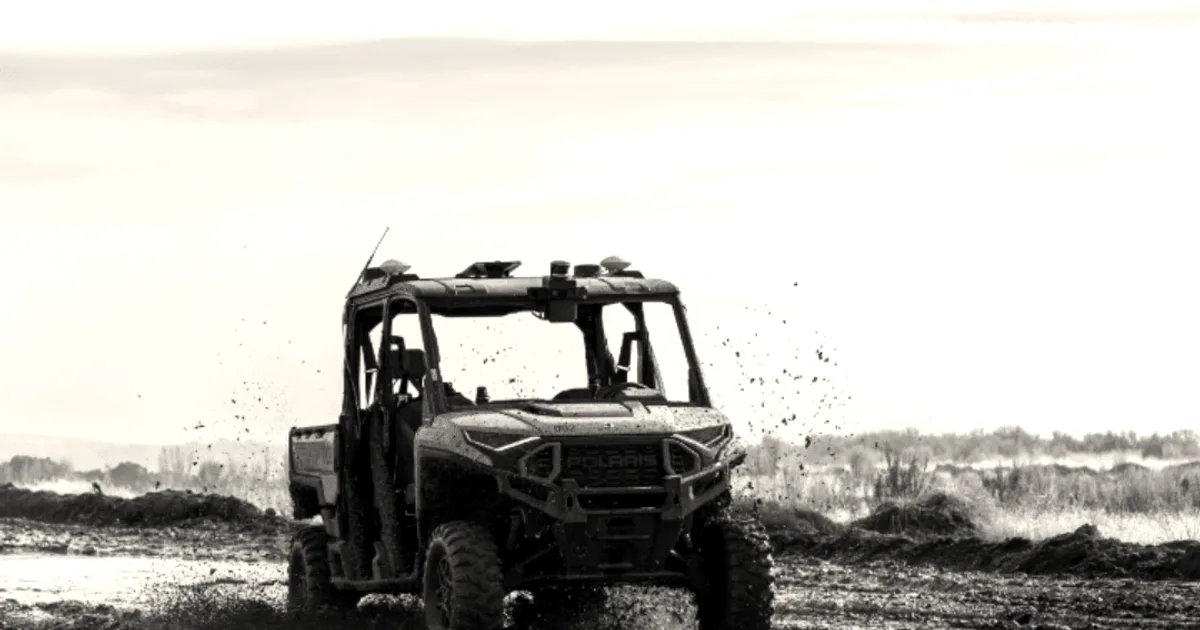
Forterra, a U.S. builder of autonomous vehicles, revealed today that more than 100 of its self-driving All-Terrain Vehicles (ATVs) have been deployed in combat zones in Ukraine for the past nine months. The company believes this is the largest deployment of autonomous ground vehicles in combat by any U.S. defense tech company. The mission, funded by U.S. defense dollars, is part of an effort to support the Ukrainian Armed Forces. While surveillance can lead to death from above, strategists have sought ground-based autonomy as well. Some of these vehicles have been lost in combat, particularly when they get stuck in deep mud or other terrain where Russian forces can target them at leisure.
The Lancer vehicles, based on Polaris ATVs, are gas-powered and can carry 750 kilograms of cargo. This offers an alternative to the Uncrewed Ground Vehicles (UGVs) currently built by Ukraine. Those UGVs typically carry up to 250 kilograms and are used to move supplies, transport munitions, or evacuate wounded soldiers.
Despite these capabilities, the deployment has highlighted the current limits of ground autonomy. Ukrainian soldiers are currently mainly teleoperating the vehicles in combat zones because the systems are not yet ready to handle active war zones independently. While the vehicles can navigate autonomously across diverse terrain, they cannot yet identify unexpected enemy forces and react. A soldier in the Ukrainian army explained that they need to be able to respond to the enemy threats, live, while it is in front of the enemy, which the autonomy does not know how to do yet. Additionally, operating in these environments is highly dangerous. As Sergeant Major Corey Wilkens, who leads a program developing autonomous vehicles and tactics for the U.S. Army, noted, “You become very, very vulnerable to be able to be attacked by [first-person view drones], other sorts of drones dropping munitions, artillery, mortar, the full range of things that they have.”
Since arriving in Ukraine last October, Forterra’s vehicles have driven more than 2,500 miles across more than 1,100 missions, carrying 777,440 pounds of total weight and completing 52 casualty evacuations. The company, which has raised more than $500 million in venture funding from investors including XYZ Venture Capital and Moore Strategic Partners, is using this data to refine its technology. However, the realities of the battlefield present challenges. A Ukrainian soldier emphasized that attrition is just a fact of this battlefield, noting that they have lost a few at this point and are dying to get more, but require them to be cheaper.
Why it matters
Forterra’s deployment provides critical real-world data on ground-based autonomy in combat, helping the company refine its technology for future national security contracts while highlighting the current limitations of AI in active war zones.