Markets & Business
Tesla beats earnings estimates on strong energy storage growth
Tesla beat earnings estimates as its energy storage business grew significantly, helping offset a 45% profit decline in 2025 driven by lower electric vehicle sales.
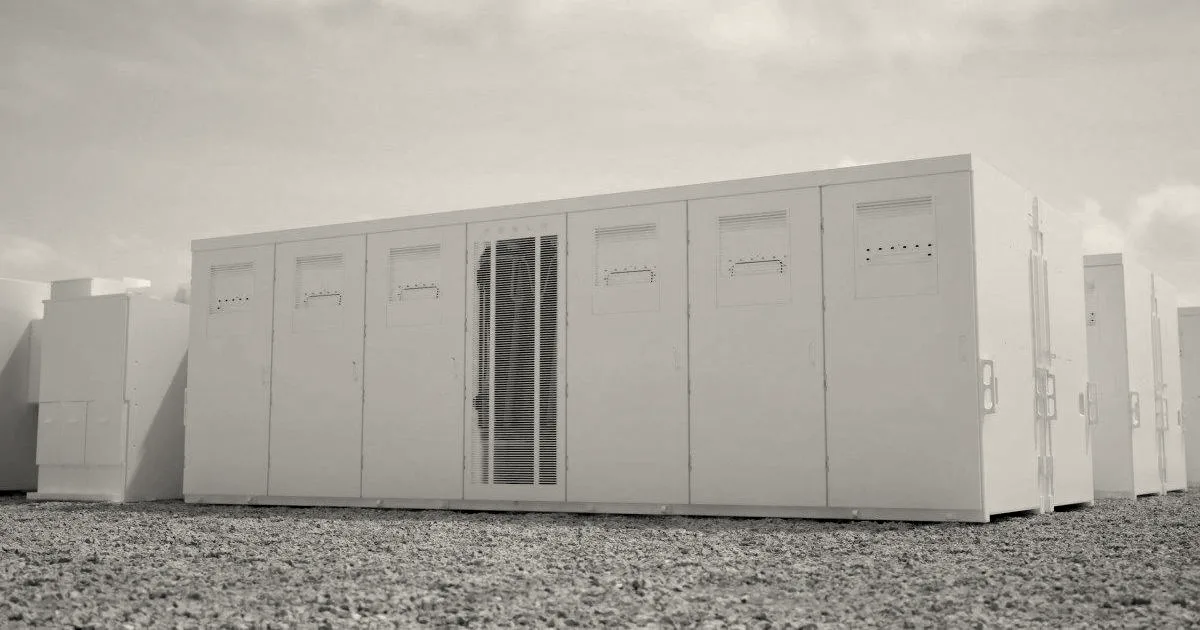
Tesla reported that its profit fell 45% in 2025 compared to 2024. Despite this decline, the company managed to beat Wall Street earnings and revenue estimates. This financial performance was driven by the strong performance of its energy storage division, which has helped offset declines in other areas of the company’s operations. The energy storage business is now growing faster than any other part of the company.
According to the company’s official filings, Tesla deployed 46.7 gigawatt-hours of energy storage products in 2025, representing a 48% increase from the previous year. Large-scale Megapack and residential Powerwall energy storage products, alongside solar installations, now drive nearly a quarter of Tesla’s gross profit. These energy storage products have become increasingly vital to the company’s bottom line as automotive sales face downward pressure.
Key financial metrics from the year highlight this growth:
- Storage and energy generation revenues increased by 26.5% to $12.8 billion.
- The gross margin—a key profitability metric—for batteries and solar panels reached 29.8%.
- Last quarter alone, the Megapack contributed $1.1 billion to the storage business’s total gross profit of $3.8 billion for the year.
Looking ahead, Tesla expects to recognize $4.96 billion in 2026 in deferred revenue—which represents money received for goods or services not yet delivered—according to its 10-K filing, an annual report required by the US Securities and Exchange Commission (SEC). However, regulatory shifts present potential headwinds. The One Big Beautiful Bill Act phased out residential energy storage tax credits, which affects products like the Powerwall. Additionally, the company noted that tariffs and provisions within the act threaten to increase battery cell prices, though commercial tax credits are expected to continue through the mid-2030s.
Competitive pressures are also visible in the market, as the average selling price of a Megapack was down. Nevertheless, the company remains optimistic about the role of its energy storage business. In its earnings report, the company stated: “Despite these challenges, as AI infrastructure drives rapid load growth, we see opportunities for our energy storage products to stabilize the grid, shift energy when it is needed most and provide additional power capacity.”
Why it matters
Tesla’s pivot to energy storage is proving to be a critical hedge against automotive volatility, with the company leveraging AI-driven demand to sustain growth despite regulatory and competitive headwinds.