Policy & Regulation
Tesla Model Y first to meet new US driver assistance safety benchmark
The 2026 Tesla Model Y is the first vehicle to meet the US government's new safety benchmark for advanced driver assistance systems.
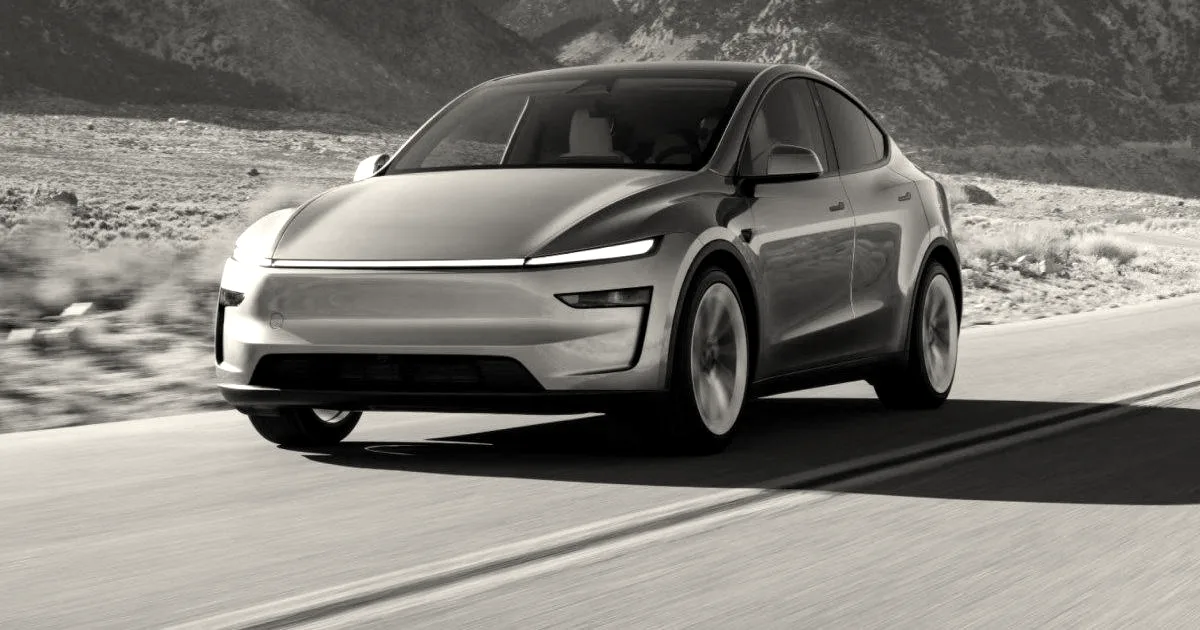
The National Highway Traffic Safety Administration (NHTSA), the U.S. government agency for vehicle safety, announced on Tuesday that the 2026 Tesla Model Y is the first vehicle to meet the agency’s new benchmark for advanced driver assistance systems (ADAS). The new benchmark rating applies specifically to 2026 Tesla Model Y vehicles assembled on or after November 12, 2025. This milestone represents the first time an automaker has cleared the updated safety criteria, which were established to create a federal baseline for driver-assist technologies.
To secure the rating, Tesla conducted its own tests and submitted the results to NHTSA. These evaluations are part of the New Car Assessment Program (NCAP), the federal initiative that runs the government’s 5-Star safety rating program. While NCAP has historically focused on crashworthiness—conducting tests for frontal and side crashes, rollover resistance, and crash avoidance—the agency added the four advanced driver assistance criteria in 2024. The updated program evaluates vehicles on four specific pass-fail tests: automatic emergency braking for pedestrians, blind-spot warning, blind-spot intervention, and lane assist, which helps keep the vehicle in its lane.
The introduction of these standardized tests addresses a growing regulatory gap. Automakers frequently market driver-assist features under various brand names that do not always clearly describe the tasks they perform, often leaving consumers without a government-provided benchmark to assess how they actually perform. The updated criteria are meant to catch up to ever-advancing vehicles and the long list of features pitched to consumers. Under the current rules, manufacturers can self-test and submit their data, which NHTSA then confirms. However, the regulatory process will soon shift. NHTSA will begin conducting its own assessments of certain ADAS features using contracted test labs for model year 2027 vehicles. If a company claims its vehicle meets the standards but fails the agency’s confirmatory testing, NHTSA will strip the vehicle of its official ADAS recognition.
Why it matters
The NHTSA has established new benchmarks for advanced driver assistance systems, setting a higher bar for automakers to prove their safety claims to consumers. This regulatory shift provides a standardized framework to evaluate driver-assist technologies, moving beyond manufacturer-specific marketing.