Startups & Funding
Synthesia raises $200M at $4B valuation
Synthesia raised $200 million at a nearly $4 billion valuation, reaching $100 million in ARR while launching a structured employee secondary sale program.
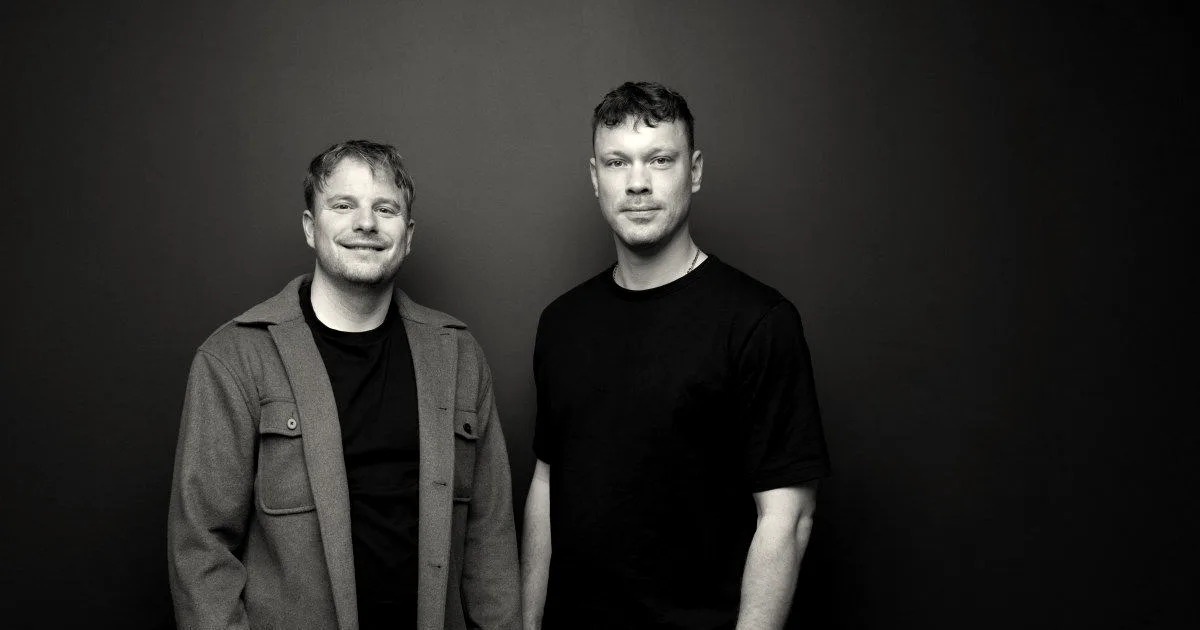
The London-based AI platform Synthesia has raised a $200 million Series E funding round, bringing its valuation to nearly $4 billion. This is up from a previous valuation of $2.1 billion. The funding comes as the company, founded in 2017, crossed $100 million in annual recurring revenue (ARR) in April 2025. The Series E round was led by existing investor GV, with participation from previous backers including Kleiner Perkins, Accel, New Enterprise Associates, NVentures, Air Street Capital, and PSP Growth. New investors Evantic and Hedosophia also joined the cap table.
Synthesia is pivoting its strategic focus toward developing AI agents, which are AI software tools designed to allow enterprise clients to interact with internal company knowledge. According to the company, these agents will let employees ask questions, explore scenarios through role-play, and receive tailored explanations. Synthesia’s co-founder and CEO, Victor Riparbelli, stated that the company is seeing a convergence of more capable AI agents and a market shift where upskilling and internal knowledge sharing have become board-level priorities. The company’s existing enterprise clients include Bosch, Merck, and SAP.
Alongside the funding, Synthesia is partnering with Nasdaq to facilitate a structured secondary sale—an employee stock liquidity program—allowing early team members to turn their shares into cash. Although Nasdaq is facilitating the transaction, Synthesia is not going public just yet; instead, Nasdaq is acting as a private markets facilitator. The transaction will allow employees to sell shares at the same nearly $4 billion valuation established in the Series E round. Daniel Kim, Synthesia’s CFO, stated: “It gives employees a meaningful opportunity to access liquidity and share in the value they’ve helped create, while we continue to operate as a private company focused on long-term growth.”
The coordinated secondary sale is notable for a U.K.-based startup. Alexandru Voica, Synthesia’s head of corporate affairs and policy, suggested that as U.K.-based private companies stay private longer, structured, cross-border employee liquidity programs may become increasingly common. Riparbelli co-founded the company in 2017 alongside COO Steffen Tjerrild. Synthesia currently has more than 500 employees. In addition to its 20,000-square-foot headquarters in London, the company maintains offices in Amsterdam, Copenhagen, Munich, New York City, and Zurich.
Why it matters
Synthesia’s valuation jump and pivot to AI agents reflect the broader enterprise shift toward internal knowledge management, while its structured secondary sale signals a maturing path for private U.K.-based tech companies.