Apps & Consumer
Spotify lets users edit Taste Profiles to refine recommendations
Spotify is launching a beta feature in New Zealand allowing Premium users to edit their Taste Profiles, with plans to expand the capability over time.
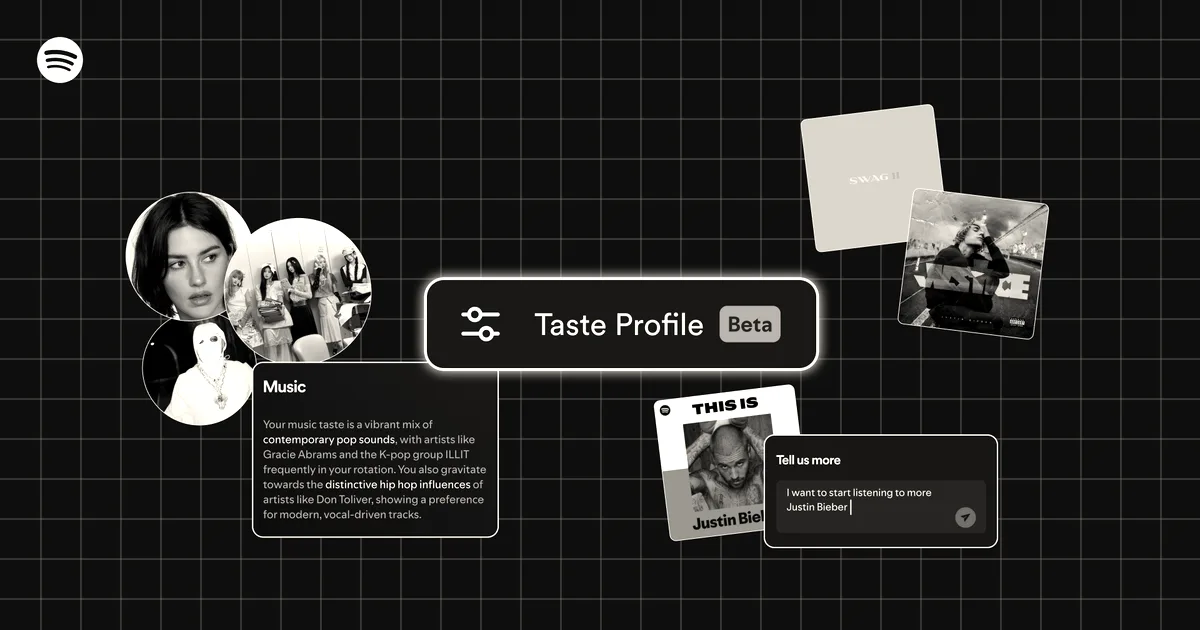
On Friday, Spotify co-CEO Gustav Söderström announced a new beta feature at the SXSW conference that allows listeners to review and edit their Taste Profile. The Taste Profile is Spotify’s algorithmically generated model of a user’s music preferences. This profile serves as the foundation for the streaming service’s recommendations, including playlists and the platform’s year-end review feature, known as Spotify Wrapped.
The feature is rolling out initially to Premium listeners in New Zealand. At launch, edits made to the Taste Profile will control the recommendations displayed on the app’s home page. Users in the market will be able to view their listening data—including music, podcasts, and audiobooks—in a single location within the app. From there, they can edit their profile and fine-tune future recommendations by requesting more or less of specific styles or vibes, which will then update the suggestions on their home page.
While the feature’s initial release is limited, Spotify plans to extend the editing capability across more areas of the Spotify experience over time. Previously, the platform offered limited tools to exclude specific tracks or playlists from a profile, but users had no comprehensive way to view or edit the underlying data. This lack of transparency often led to recommendations that did not accurately reflect user interests.
Why it matters
This feature directly addresses long-standing user frustration regarding “cluttered” profiles—often caused by shared accounts or non-representative listening habits—that previously skewed personalized experiences like Spotify Wrapped. By giving users direct control over their underlying data, Spotify aims to resolve a persistent product pain point where temporary or shared listening ruined algorithmic recommendations.