Markets & Business
SpaceX IPO exposes risks in multi-layer SPV structures
SpaceX’s IPO may leave investors in multi-layer SPVs uncertain about their actual share ownership, with some potentially facing significant delays or even total loss of holdings.
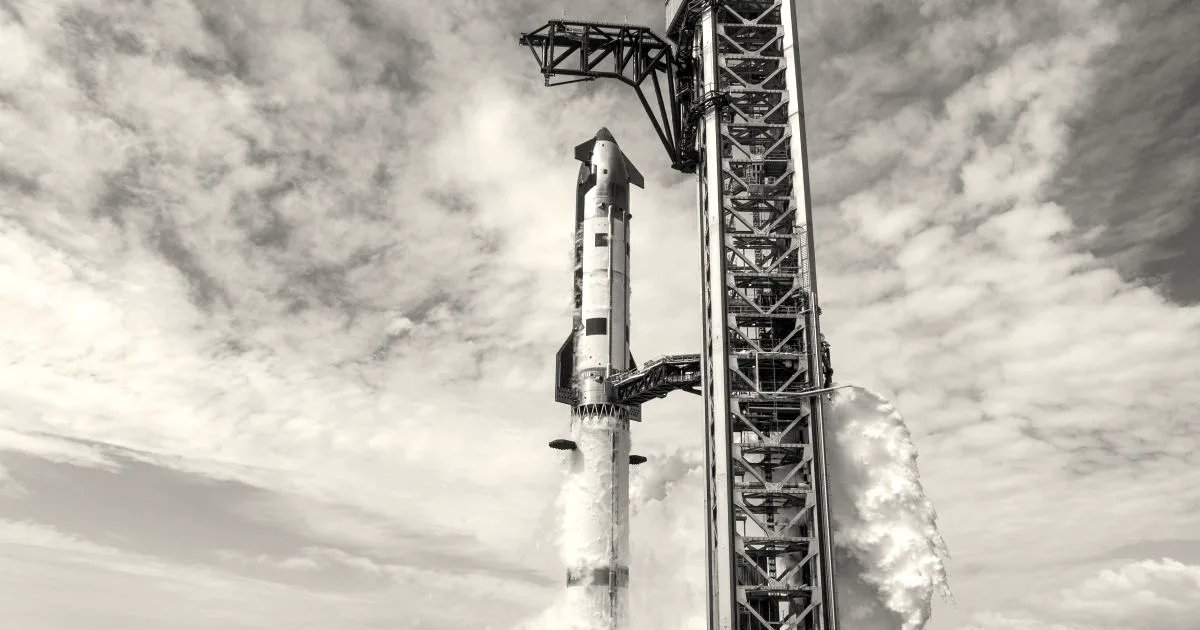
SpaceX makes its public debut on Friday, serving as an unprecedented test for multi-layer Special Purpose Vehicles (SPVs)—legal entities created to fulfill narrow, specific, or temporary objectives. Because demand for SpaceX allocations has been exceptionally high, some of these structures have been stacked four or five layers deep. However, this public debut, or Initial Public Offering (IPO)—the process of offering shares of a private corporation to the public in a new stock issuance—is leaving many investors who backed the aerospace company through these vehicles uncertain about their actual share ownership. According to nearly a dozen SPV managers and secondary market investors, backers in lower-tier vehicles might find they own fewer shares than they think, or in rare cases, they may not receive any shares at all. Other companies, such as Anthropic and Anduril, have already disallowed multi-layer SPV structures.
The primary complication stems from post-IPO lock-ups—contractual restrictions that prevent insiders from selling their shares for a set period after an IPO. For SpaceX, these rolling lock-ups are scheduled to last for about four months. SPV managers will not begin distributing shares to investors until they gain access to the shares themselves. Justin Ernest, founder and managing partner of Sabertooth Capital—a firm that invests primarily in first-layer SPVs—estimates that while a first-layer SPV has 30 days to distribute stock, the bottom SPV layer may have to wait eight or nine months for final disbursement. This delay is exacerbated by what one secondary investor described as a communication train where each participant only knows what is happening in the layer directly above them. Additionally, some investors in these convoluted structures may find their expected share holdings eroded by fees.
The lack of transparency in these stacked structures has also heightened concerns about potential fraud. For instance, Giovanni Pennetta, the manager of Sestante Capital, was recently sentenced to four years in prison for fabricating access to non-existent allocations in the defense tech company Anduril. Other investors are already experiencing communication breakdowns; Nick Davidov, founder of venture firm Davidovs Venture Collective, shared that a friend who purchased SpaceX shares through a 2 layer SPV in 2021 has not received a response from their SPV manager in a year. Idan Miller, managing partner at the secondary market firm Unicorns Exchange, believes more bad actors will be exposed. Miller noted, “Once the lock up of the shares is removed, and these SPVs will start selling the shares, there will be some vehicles that will be revealed as scammers or fraud.”
Why it matters
SpaceX’s IPO serves as a major test for the legitimacy of multi-layer SPV structures, with investors facing significant uncertainty regarding their actual share ownership due to convoluted ownership chains and lock-up periods.