Markets & Business
Apple, Samsung push phone leasing as upgrade cycles lengthen
Apple launched a Klarna-backed leasing plan and Samsung expanded a buyback program in India as rising prices push consumers to keep phones longer.
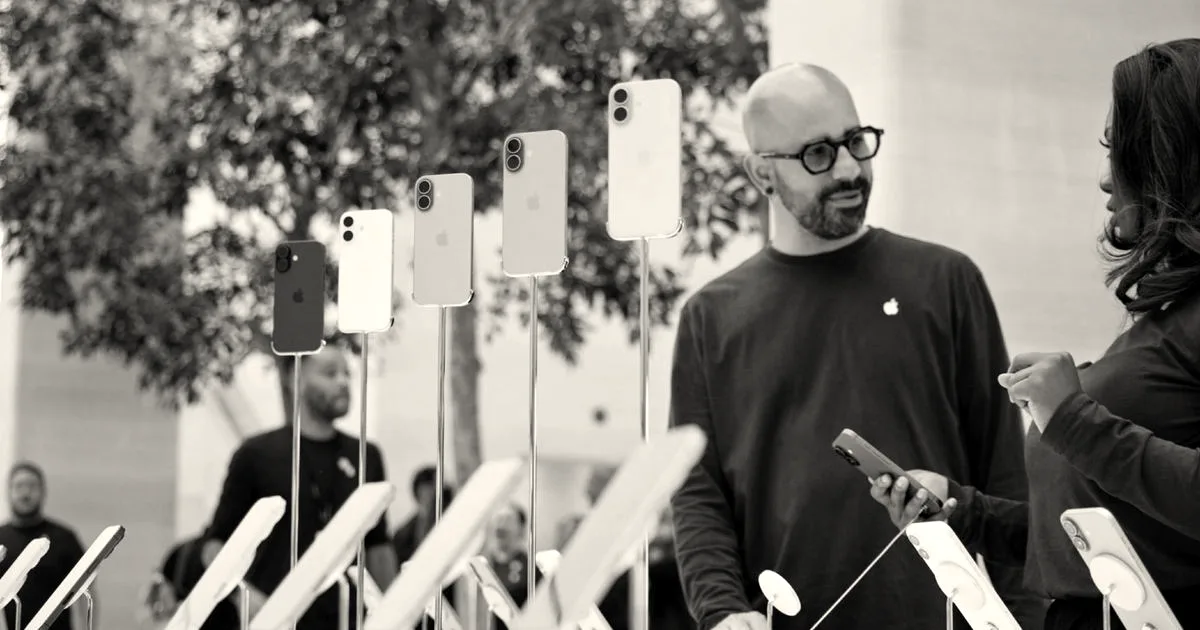
Apple this week launched Apple Upgrade in the U.S. with Klarna, letting customers lease an iPhone, Mac, iPad, or Apple Watch for a monthly fee with the option to upgrade, return, or eventually buy the device. Samsung, meanwhile, has been running its Galaxy Forever program in India, combining financing with a guaranteed buyback to let customers upgrade flagship Galaxy phones more predictably. On Apple’s earnings call Thursday, CEO Tim Cook said the Upgrade program is meant to make it easier for customers — particularly those who prefer a regular upgrade schedule — to access the company’s latest products, adding that Apple’s relatively high resale values suit the leasing model.
The push comes as consumers hold onto phones longer. Analyst firm Counterpoint Research expects the average global replacement cycle to stretch to four years in 2026, up from 3.5 years in 2025, driven by tighter supplies pushing up memory and other component costs and by incremental hardware improvements that keep older devices capable for longer. In the U.S., premium smartphone owners now keep their devices for an average of 42 months, up from 38 to 40 months in previous years, according to IDC — squeezing both new-device sales and the flow of handsets into the refurbished market.
“These programs fundamentally do not work unless a secondary market exists,” said Max Weinbach, an analyst at Creative Strategies, noting that leasing and guaranteed buyback programs are built to keep devices flowing into resale. Matt Schulz, chief consumer finance analyst at LendingTree, said leasing isn’t for everyone but can make financial sense for frequent upgraders, while consumers who keep phones for three, four, or five years are typically better off buying outright. IDC’s Navkendar Singh said the deeper driver is protecting margin and retention as pricing pressure mounts, rather than simply shortening upgrade cycles.
The model extends well beyond Apple and Samsung. In India, BytePe says more than 80% of its customers already choose subscriptions over outright purchases or installment plans, while the UK’s Raylo and Germany’s Grover run similar consumer-electronics leasing businesses. In the U.S., IDC’s Nabila Popal said 36-month interest-free financing and trade-ins worth up to $1,100 have already helped push American smartphone prices to the highest average selling prices of any region, with Apple and Samsung together holding more than 80% of the U.S. smartphone market.
Why it matters
As device prices climb and replacement cycles stretch, phone makers are betting that predictable monthly payments — not shorter upgrade cycles — will protect margins and keep customers locked into their ecosystems.