Chips & Hardware
Samsung previews privacy feature to block screen onlookers
Samsung has previewed a new privacy feature designed to prevent 'shoulder surfing,' which is expected to launch with the upcoming Galaxy S26 Ultra smartphone.
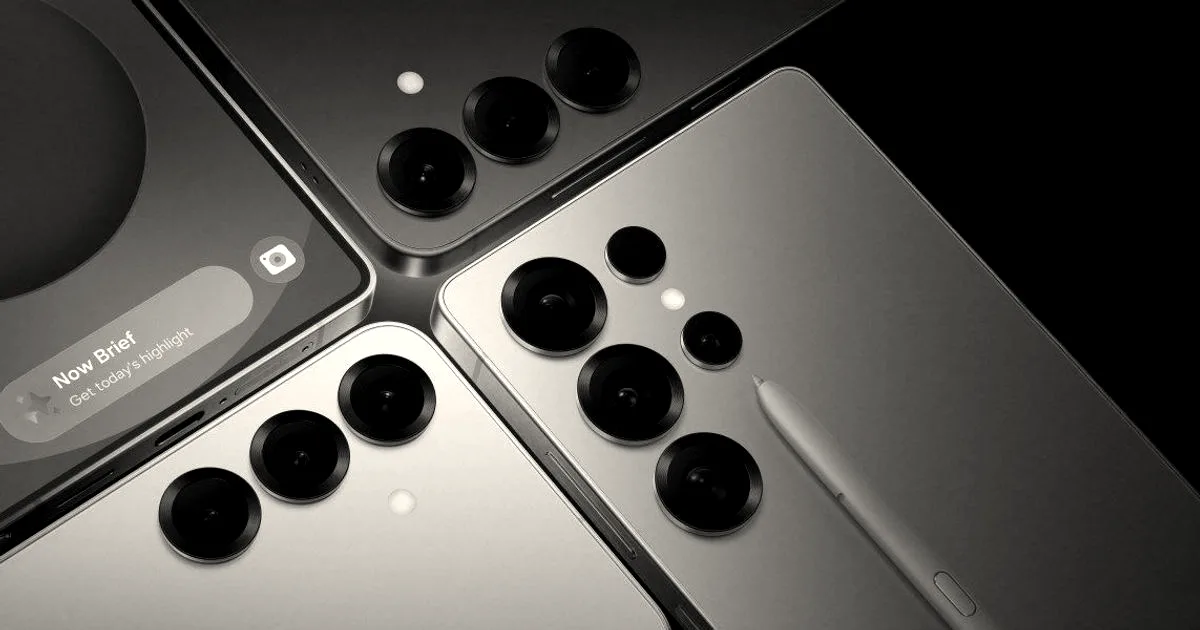
Samsung has previewed a privacy feature designed to prevent others from viewing phone screen content. The technology aims to protect users from “shoulder surfing”—the act of looking over someone’s shoulder to view their screen or sensitive information—when they are in public spaces. In a newsroom announcement, the company stated: “Our phones are our most personal space, but we use them in the least private places…That’s why Samsung will soon unveil a new layer of privacy to shield your phone from shoulder surfing wherever you go. You’ll have the space to check your messages or enter a password on public transit without thinking twice about who might be watching”.
The feature, which uses a mix of hardware and software to hide content like notification pop-ups, is likely to launch with the Galaxy S26 Ultra in February. Reports suggest that Samsung will hold an event in February to launch the Galaxy S26 Ultra. While the company did not provide specifics about the technology, it said that Galaxy smartphone owners will be able to control what others around them can see on their phone, based on the privacy protection they need. Users will be able to customize this feature to work with specific apps or while entering passcodes, PINs, patterns, or passwords, with multiple settings for adjusting visibility of on-screen content. Screenshots of the feature shared on the platform X by online tipster Ice Universe show how the notification area blanks out at an angle. This means the smartphone owner can see the content, but someone sitting next to them might not be able to.
This development addresses security risks where thieves often watched users enter their passcodes and used that info to lock victims out of their accounts. To prevent this from happening, competitor Apple previously released a Stolen Device Protection update—an Apple security feature—in iOS 17.3. That update required users to use Face ID or Touch ID before changing sensitive settings or accessing saved payment methods. Samsung’s upcoming feature represents a hardware-and-software approach to the same fundamental vulnerability of public screen exposure, potentially reducing the need for users to buy separate physical privacy guard protectors.
Why it matters
Samsung is developing a privacy feature to prevent ‘shoulder surfing’ and unauthorized viewing of sensitive on-screen content, addressing security risks associated with using smartphones in public spaces.