Chips & Hardware
Proception settles Tesla lawsuit, secures $11M seed funding
Proception raised an $11 million seed round and settled a trade secret lawsuit with Tesla, aiming to solve robotic dexterity using a sensor-laden glove for scalable data collection.
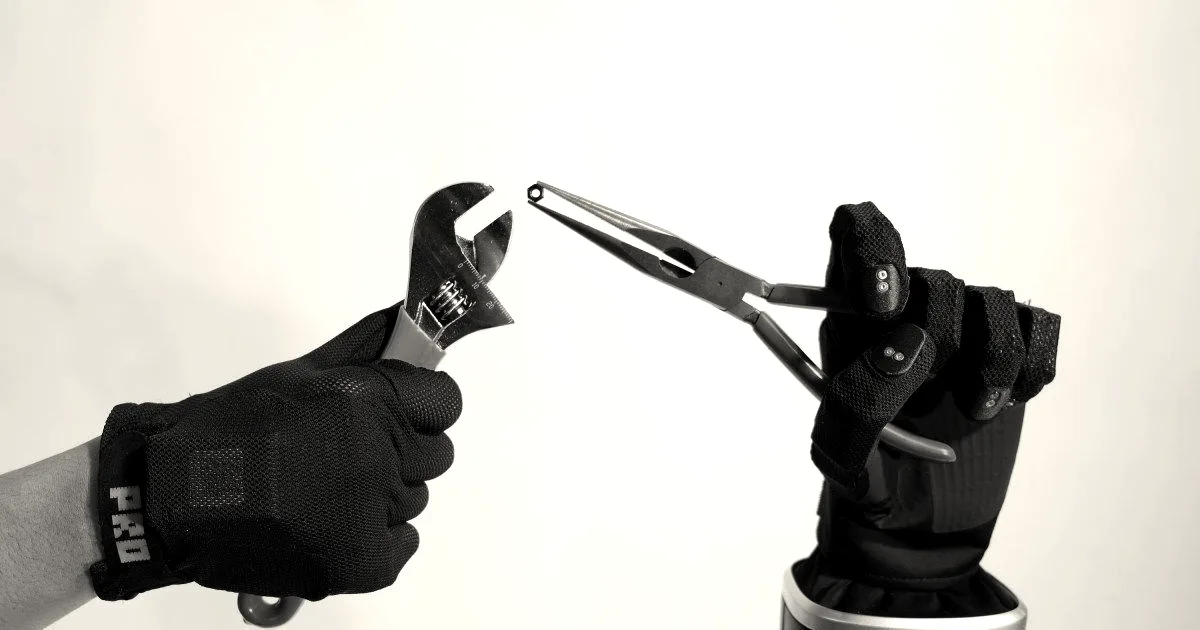
On Monday, robotics startup Proception announced it has raised an $11 million seed round. The funding announcement follows the resolution of a legal dispute with Tesla, which dismissed its trade secret lawsuit against Proception founder and CEO Jay Li earlier this month. The seed round was led by First Round Capital, with contributions from Y Combinator and BoxGroup.
Alongside the funding, Proception announced on Monday that it is shipping the first batch of its robotic hand to researchers and robotics companies. The hardware features 22 degrees of freedom—the number of independent movements a robotic joint can perform—and multiple joints per finger to enable a wide range of motions. The startup aims to supply these hands to other companies, bypassing the need for them to develop their own systems for dexterous manipulation, which is the industry term for robot hands performing human-like tasks.
While Tesla CEO Elon Musk has said Optimus robots could start working in factories in a matter of years, other experts suggest a longer timeline. Kevin Lynch, the director of Northwestern University’s Center for Robotics and Biosystems, stated last year that it will be a decade until robotic hands are functional and useful. However, Li thinks Proception can develop functional robotic hands faster than the industry consensus due to its data collection method.
Most companies training humanoid robots rely on teleoperators—humans controlling robots remotely via VR headsets—which lacks physical feedback and is difficult to scale. Proception instead uses a glove laden with sensors to capture human hand interaction data without requiring a physical robot in the loop. Bill Trenchard, a partner at First Round Capital, noted that the firm believes Proception will deliver a sophisticated hand, backed by the necessary data and models, to address dexterous manipulation, which he described as the last mile of making humanoid robots performant.
The funding and product launch mark a turning point for Li, who was accused by his former employer last year of absconding with trade secrets to start Proception. Reflecting on the legal battle with Tesla’s hardcore litigation department, Li said, “I think it’s kind of like a resilience test, or pressure test.” Following the settlement, Li expressed confidence in Proception’s trajectory, stating that he thinks Tesla may eventually seek to work with the startup as it grows.
Why it matters
Proception is attempting to solve dexterous manipulation in robotics using a sensor-laden glove to collect scalable data, which investors believe is the last mile of making humanoid robots performant.