Markets & Business
Rivian raises annual delivery forecast despite market headwinds
Rivian raised its annual delivery forecast to between 65,000 and 70,000 vehicles, signaling resilience despite cooling U.S. EV demand and regulatory headwinds.
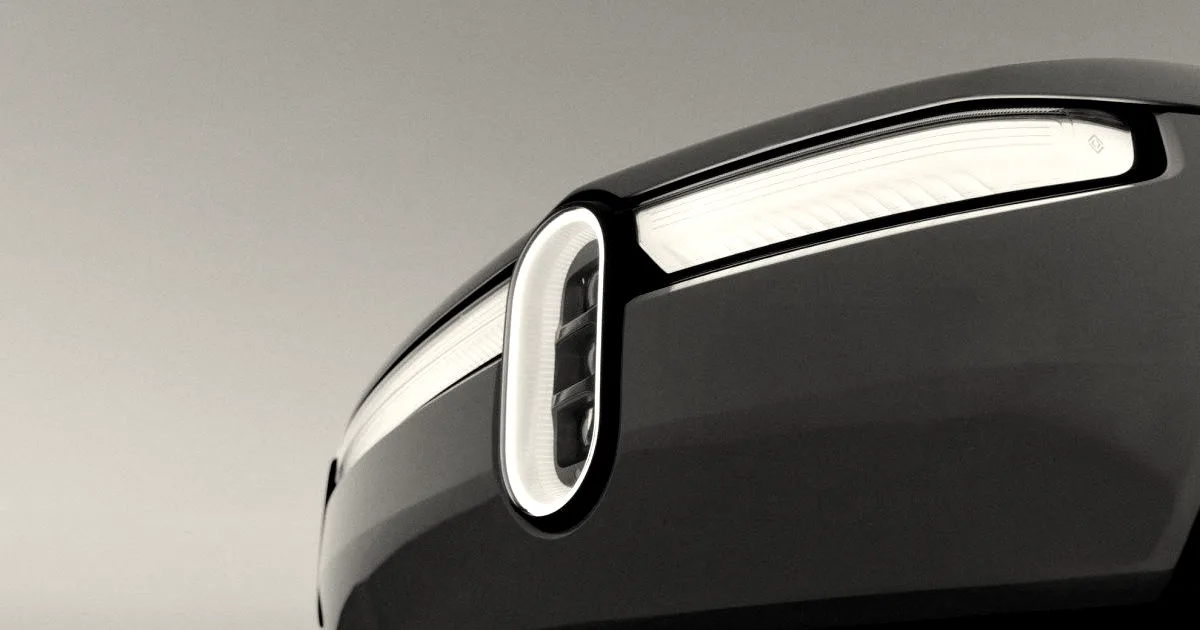
On Thursday, Rivian announced that it expects to deliver between 65,000 and 70,000 vehicles this year. This new projection represents an increase from the company’s previous forecast of shipping between 62,000 and 67,000 vehicles. The upward revision comes as electric vehicle (EV) sales growth has cooled off in the U.S. This market slowdown has been driven in part by Congress eliminating the $7,500 federal EV tax credit—a key government subsidy for electric vehicle purchases—and President Trump’s administration axing environmental regulations that encouraged EV production and adoption. For comparison, Rivian shipped 42,247 vehicles last year.
The company outperformed its expectations for the second quarter, building 12,613 vehicles and delivering 12,194. Rivian had previously expected to ship between 9,000 and 11,000 vehicles during the quarter. In a statement, the company attributed the performance to “robust growth quarter-over-quarter in EDV and R1, coupled with the introduction of R2 deliveries.” To clarify these product lines: EDV refers to Rivian’s electric commercial van, the R1 line comprises its trucks and SUVs, and the R2 is its new mass-market SUV model.
The R2 SUV, which started selling last month at a starting price of around $58,000, is central to Rivian’s growth plans. The company has expanded its factory in Normal, Illinois, to manufacture the model, and is also building an entirely new production facility in Georgia to support its manufacturing goals. While Rivian has not explicitly stated its total R2 sales expectations for the year, Chief Financial Officer Claire McDonough previously mentioned a sales range of 20,000 to 25,000 units. It remains unclear if that specific range has increased alongside the overall forecast bump, or if the company expects the excess deliveries to come from its commercial vans and more expensive R1 line of trucks and SUVs.
Increased deliveries are critical as Rivian works to improve its financial position. Although the company previously indicated it may turn a regular profit in 2027, it recently pushed that target back. The delay is due to investments in developing autonomous software, driven by a partnership to supply self-driving R2 SUVs to Uber.
Why it matters
Rivian’s ability to raise guidance in a difficult regulatory and market environment suggests the company is successfully navigating the transition to mass-market vehicles like the R2.