Chips & Hardware
Rivian details R2 pricing and rollout schedule
Rivian has unveiled pricing and production timelines for its R2 SUV, which is expected to start between $45,000 and $57,990 when it begins rolling out in 2026.
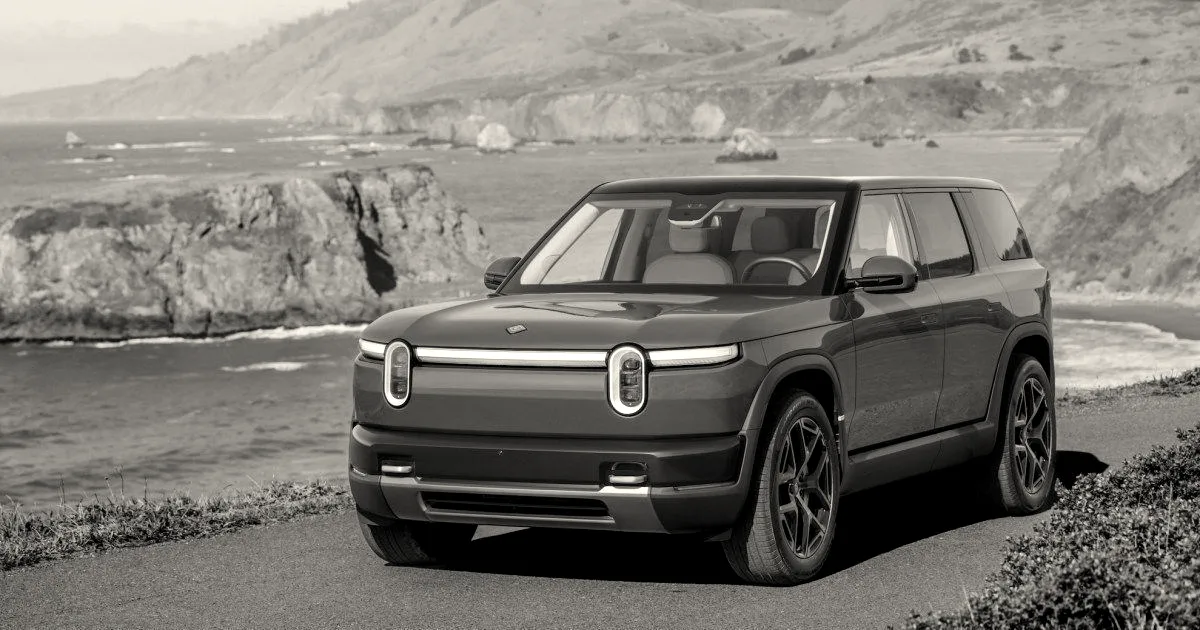
Rivian has officially detailed the pricing and production roadmap for its R2 SUV, a vehicle that is arguably existential for the automaker as it seeks to capture a broader market segment. The pricing for the R2 will range between $45,000 and $57,990, with the rollout structured across several tiers over a multi-year period:
- June 2026: The first models available to consumers look like they will arrive in June 2026. This initial offering will be the R2 Performance with the Launch Package trim, starting at $57,990.
- Late 2026: Production and deliveries of a premium version of the R2 will begin, starting at $53,990.
- Early 2027: The long range standard R2 is expected to go into production, starting at $48,490.
- Late 2027: A standard version with 275 miles of range is expected to go into production sometime in late 2027 for $45,000.
Across all trims, the R2 lineup features consistent core hardware, including an 87.9 kilowatt-hour battery pack and a native NACS (North American Charging Standard) port, the charging standard originated by Tesla. However, performance specifications vary significantly. The R2 Performance with the Launch Package delivers 656 horsepower and 609 pound-feet of torque, enabling an acceleration time of zero to 60 miles per hour in 3.6 seconds, alongside an EPA estimated range of up to 330 miles.
The automaker is also introducing its Rivian Autonomy+ subscription service, which provides advanced driver-assistance systems (ADAS) features. The service will cost a one-time $2,500 fee or $49.99 per month. However, a hardware gap exists between the early 2026 models and those shipping later that year. In late 2026, Rivian will begin shipping R2 vehicles equipped with the ACM3 (third-generation autonomy computer), which can process 5 billion pixels per second, alongside a lidar sensor to support future L4 (Level 4 automated driving) capabilities. The initial June 2026 launch models will lack this hardware.
This hardware discrepancy could influence buyer behavior. Dan Levy, an analyst at financial institution Barclays, noted that some technology-focused buyers may choose to wait for the greater ADAS capabilities of the third-generation hardware rather than purchasing the initial R2 models. Additionally, the vehicle’s pricing strategy highlights the challenge of balancing consumer accessibility with profitability. According to data from Kelly Blue Book, the average new car price in January was $49,191, placing the starting price of the initial R2 models above the market average.
Why it matters
The R2 is an existential vehicle for Rivian; the company must balance a compelling price point for consumers against the need to lower production costs to achieve profitability.