Startups & Funding
Reed Jobs's Yosemite pushes into AI-driven cancer drug discovery
Reed Jobs's oncology-focused venture firm Yosemite has closed the first tranche of a second fund targeting $350 million, as its founder says AI is accelerating both drug discovery and clinical-trial design faster than he expected.
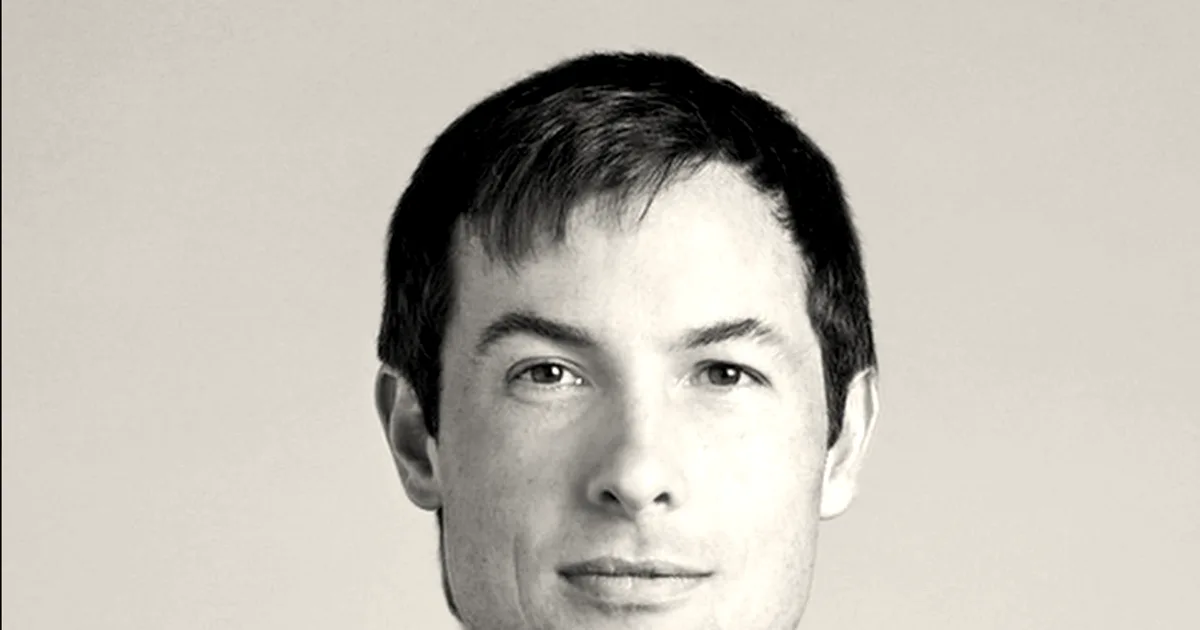
Reed Jobs launched Yosemite in 2023 as a venture firm focused exclusively on oncology, building biotech companies out of early academic research using a mix of philanthropy and outside investment capital. Three years in, the firm has grown to a team of 17 and announced the first close of a second fund targeting $350 million. About a third of that capital is earmarked for companies Yosemite builds itself, often alongside academics at universities including Yale, Berkeley, and Stanford; the rest goes into companies founded by others that Yosemite joins. Separately, 2.5% of the fund’s assets, plus $1 million a year from management fees, flows into a no-strings-attached donor-advised fund that helps de-risk early academic ideas.
Jobs said AI has become one of the biggest parts of what Yosemite does since he last discussed the firm publicly nearly three years ago. In clinical trials — “the biggest cost and time sink in drug development,” he said — a Phase 3 cancer trial costs about $260 million and only one in three succeeds, with patient recruitment as the largest expense. AI-built synthetic control arms, which stand in for an untreated comparison group using existing patient data, could halve the number of patients a trial needs to recruit, an approach he says the FDA is already leaning into. On the discovery side, AI has helped researchers reach genome regions once considered undruggable — historically, only about 15% of the genome could be targeted with drugs.
Among Yosemite’s portfolio, Jobs highlighted Tune Therapeutics, which is using epigenetic editing to silence hepatitis B, a virus that affects over 250 million people and is the primary driver of liver cancer, and Histosonics, a device company using noninvasive histotripsy to destroy liver and pancreatic tumors. The firm is also pursuing p53, a tumor-suppressor gene that nearly every cancer must disable to survive, through three separate companies.
Jobs said the broader biotech investment climate has improved as pharma faces its largest-ever patent cliff while sitting on record cash reserves, fueling an acquisition wave that includes Eli Lilly’s $7 billion purchase of Kelonia. He also noted continued pressure on U.S. government science funding: after Congress rejected a proposed cut of up to 40% to the National Institutes of Health budget last year, this year’s proposal calls for a 12% cut.
Why it matters
Yosemite’s bet is that AI can compress two of biotech’s biggest cost centers — trial recruitment and target discovery — at the same time pharma’s patent cliff is pushing more capital toward new cancer therapies.