Startups & Funding
Probably secures $9M seed to build deterministic AI validator
Probably raised $9 million in seed funding from Andreessen Horowitz to develop a deterministic validator system designed to eliminate AI hallucinations and enable smaller, local models.
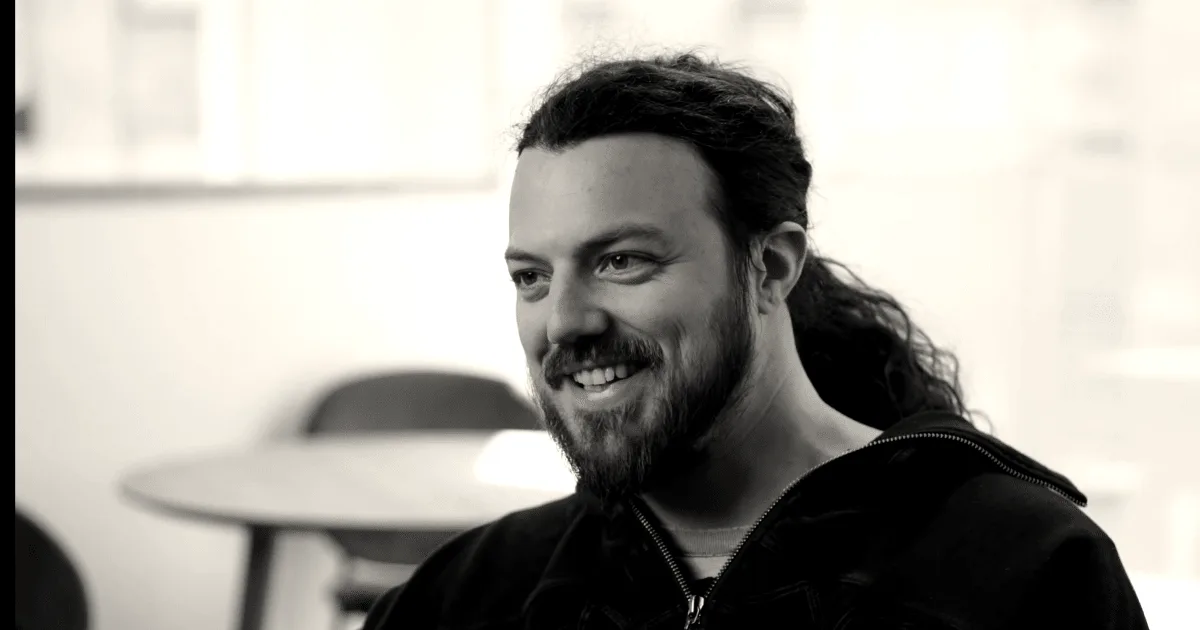
Probably, an artificial intelligence company, has raised $9 million in a seed funding round led by venture capital firm Andreessen Horowitz. The company aims to prevent hallucinations and factual errors in AI models from reaching the user. According to founder Peter Elias, the goal is to achieve a 99.99% accuracy rate, which is common in deterministic systems but historically difficult to reach with generative AI.
To address this, Probably uses a deterministic validator system to check large language model (LLM) outputs against a dataset. Elias refers to this system as a data science mech suit. Under this setup, the LLM’s first-pass answers are checked against the deterministic validator, which bounces back any results that do not match the dataset. The LLM is trained against this validator, and the entire system is optimized to deliver fast and accurate answers. Elias explained that the company’s development process revealed that better harness engineering allows for the use of weaker underlying models. “If you can refine the context enough, the model does not have to work very hard to do the right thing. Basically, it’s an exercise in reducing ambiguity,” Elias said.
This validation process allows Probably to run smaller AI models that can operate on local hardware, such as a desktop computer, rather than relying on frontier models. The company’s system runs on a model that is four classes weaker than typical frontier models. Because the system can run locally rather than in a cloud data center, it significantly reduces the token costs associated with running AI queries, offering an alternative for businesses managing tight AI budgets.
Elias argues that the system can be applied to any precision-sensitive use case. He also noted that major AI laboratories have not attempted to build similar validation systems because they are incentivized not to do so. According to Elias, these large labs profit from model corrections, making them financially motivated to allow errors that users must pay to correct.
Why it matters
Probably’s approach challenges the industry trend of relying on massive, expensive frontier models by using deterministic validation to ensure accuracy, potentially lowering costs and enabling local deployment.