Apps & Consumer
Ollama raises $65 million to scale local AI developer tools
Open-source AI developer tool Ollama has raised a $65 million Series B led by Theory Ventures, growing to nearly 9M monthly users.
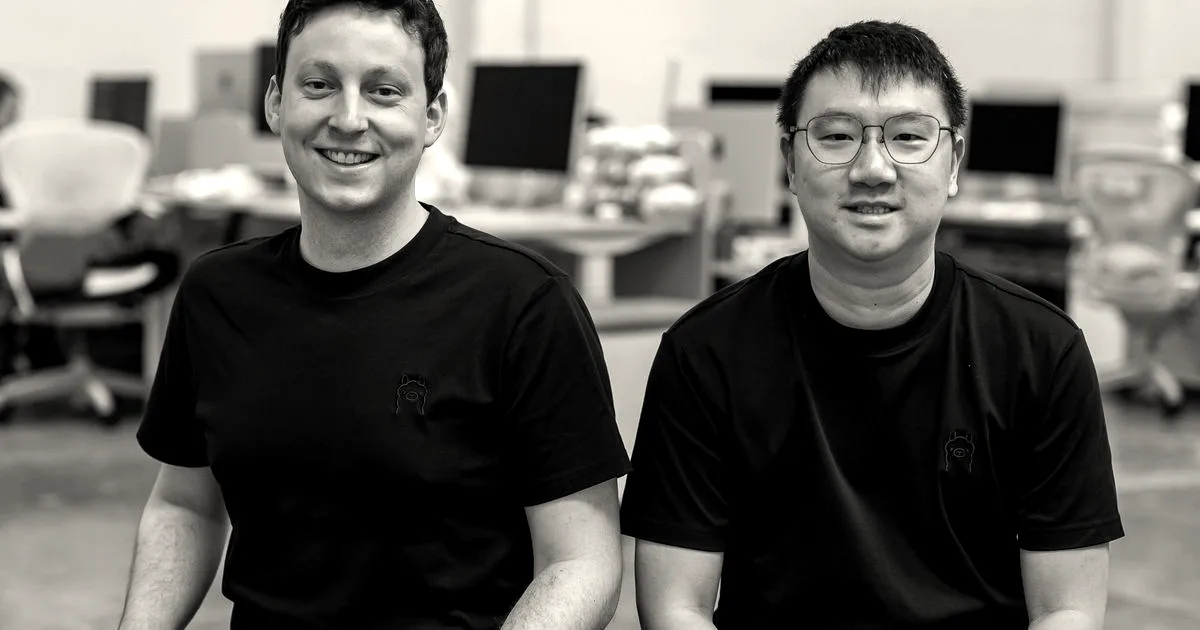
Ollama has raised a $65 million Series B led by Theory Ventures, founder and CEO Jeff Morgan says, bringing the company’s total funding to $88 million. The round follows a previous $15 million Series A led by Benchmark.
Ollama, launched in 2023, helps developers run open-weight AI models — models whose weights are publicly available for running locally or self-hosting — directly on their own machines. It was built by Morgan and co-founder Michael Chiang, who previously helped build Docker Desktop, a developer tool for managing software containers that Fenton says is used by 10 million-plus developers every day. Ollama’s own traction, per Morgan, includes:
- 176,000 GitHub stars and nearly 17,000 forks
- Over 8.9 million developers using it every month
- Presence in 85% of the Fortune 500
- Only 14 employees running the company
Morgan says the proving point for Ollama as a business came around January, when the open-source AI assistant OpenClaw became popular, demonstrating that larger open models could handle agentic tasks like coding. That shift is fueling a broader move: as enterprises and AI application startups face rising inference expenses — the computational cost of running models — many are turning to cheaper open-weight alternatives instead of relying solely on closed models from providers like Anthropic. Fenton, the Benchmark partner who led Ollama’s earlier round and sits on its board, argues this isn’t an either/or shift between open and closed models, but says companies with heavy inference costs face what he calls a “vital existential project” to move toward open-weight models — a dynamic that benefits Ollama’s paid neocloud (its cloud infrastructure for running larger models), which offers tiers from free to $100/month billed by GPU time rather than token limits.
Not every user has welcomed Ollama’s commercial expansion. About a year ago, blog and social media posts complained that Ollama’s cloud business was drawing attention away from its free project, citing it as an example of the “Enshittification” of dev tools. Fenton pushes back on that characterization: “Nothing has changed for the core product that’s free on the desktop. There’s zero change to the premise that this is the place you can discover and run local models.”
Why it matters
Ollama’s raise points to an enterprise shift toward open-weight AI models as companies look to curb inference costs and reduce reliance on closed-model providers.