Apps & Consumer
The companies building safer phones for kids
As parents worry about unrestricted smartphone access, several companies now sell kid-specific phones that strip out browsers and social apps while giving parents monitoring tools.
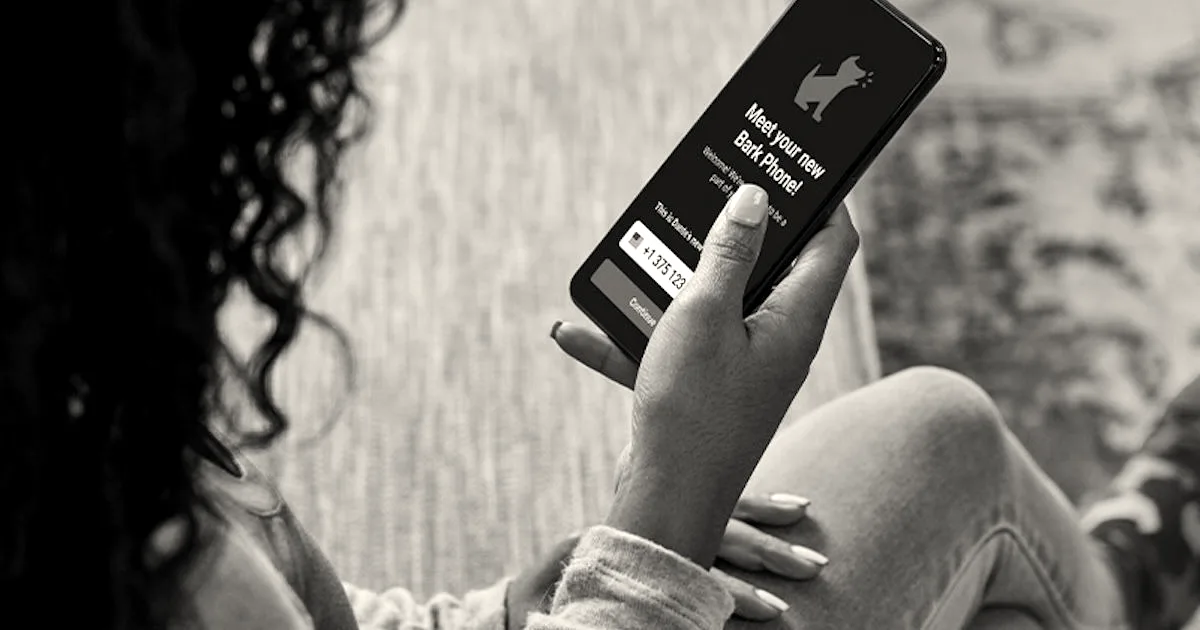
A growing number of companies build phones specifically for kids, restricting access to browsers, social media, and app stores while giving parents companion apps to approve contacts, track location, set screen-time limits, and receive alerts about cyberbullying, explicit content, or online predators. Some go further, offering minimalist devices focused only on calling and texting, including home phones like Tin Can and the recently launched Pinwheel Home.
The Bark Phone, built on Samsung Galaxy hardware and running Bark’s monitoring software, is among the most popular. It restricts calls and texts to approved contacts and continuously scans texts, emails, photos, and supported apps for signs of cyberbullying, grooming, suicidal ideation, and sexual content, alerting parents when it finds something. Parents can gradually unlock browsing and other features as a child matures. The standard model costs $240, plus a required wireless plan starting at $29 per month.
Gabb takes a stricter approach, leaving out social media, browsers, and app stores entirely in favor of calling, texting, and a curated set of preloaded apps like a camera, calendar, and calculator, plus a “worry-free” music library. Phone pricing starts around $159.99, with service starting around $24.99 per month.
Pinwheel lets parents approve every app, control contacts, schedule screen time, and set up different device “modes” for different times of day — for instance, calling and navigation only during school hours. Phones start around $119, with a Caregiver Portal subscription beginning at $14.99 per month; cellular service is purchased separately. The company also recently launched two landline phones, at $68 and $79, and a $160 smartwatch.
Teracube’s Thrive OS, launched in 2022, is a modified version of Android that lets parents approve every app download, filter web browsing, and set screen-time limits, and is often recommended for older children given its more traditional smartphone features. It sells for $99, with plans starting at $35 per month.
For families that want a landline replacement rather than a mobile device, Ooma MyPhone allows calls only between approved contacts, offers scheduled quiet hours, and provides address-based 911 service. It costs $99.99, with service starting at $7.99 per month. Tin Can, a Wi-Fi-connected device styled after a tin-can telephone, restricts calls to approved contacts; it costs $100, with a free plan for calling other Tin Can users or a $9.99-per-month plan for calling all approved contacts.
Why it matters
The range of products — from fully monitored smartphones to calls-only landlines — shows device makers betting that parental anxiety over kids’ online safety is broad enough to support multiple price points and restriction levels, not just a single “kid phone” category.