AI & Models
Oura launches proprietary AI model for women’s health insights
Oura has launched a proprietary AI model for its Oura Advisor chatbot, designed to provide personalized insights across the reproductive health spectrum while maintaining user privacy.
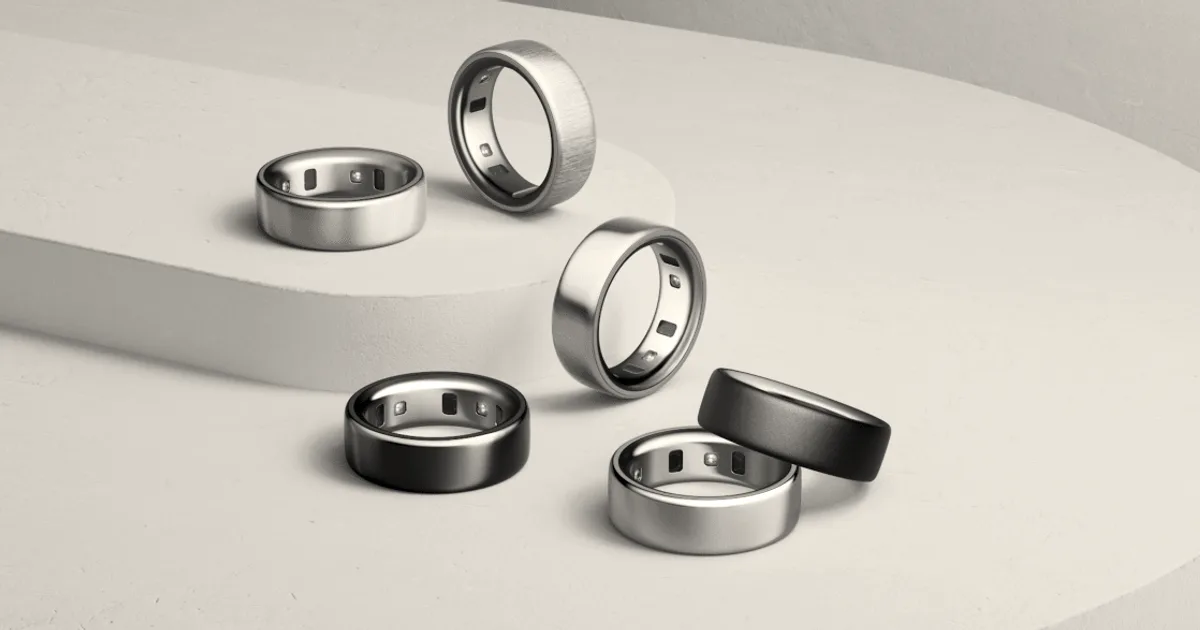
Oura announced on Tuesday that it is launching its first proprietary AI model to enable its AI chatbot, Oura Advisor, to deliver personalized insights around women’s health. The new model is designed to support questions spanning the full reproductive health spectrum, from early menstrual cycles through menopause. When a user asks Oura Advisor a women’s health question, the chatbot prompts the model to reference established medical standards, research, and knowledge sources reviewed by Oura’s in-house team of board-certified clinicians and health experts. It simultaneously analyzes the user’s relevant biometric signals and long-term trends across sleep, activity, cycle, pregnancy, and stress data.
The model is rolling out within Oura Labs, which operates as the company’s opt-in experimental feature hub inside the Oura app. Users can access the new model by navigating to the drop-down menu in the upper-left corner of the app. Oura notes that the model is intentionally designed to be “non-dismissive, reassuring, and emotionally supportive.” However, the company emphasizes that the system is “not designed to be a doctor,” and users should not use the chatbot for a medical diagnosis or treatment plan.
The launch comes as Oura experiences rapid demographic shifts. Last October, Oura Chief Commercial Officer Dorothy Kilroy told TechCrunch that the company’s fastest-growing user segment is women in their early twenties. Ricky Bloomfield, chief medical officer at Oura, framed the development as a significant step forward for consumer health technology. “This custom model is a fundamental shift in how we responsibly deploy AI in health to meet the needs of our members,” Bloomfield said. He noted that women’s health is “too complex—and too often overlooked” to rely on generic, one-size-fits-all systems, arguing that responsible health intelligence must pair clinical science with lived, longitudinal biometric data.
To address data privacy concerns, Oura stated that the model is hosted entirely on Oura-controlled infrastructure. The company confirmed that user conversations with the chatbot are never shared or sold.
Why it matters
As users increasingly turn to AI for health guidance, Oura’s move to build a specialized, proprietary model highlights the growing demand for health-specific intelligence that moves beyond one-size-fits-all solutions.