Policy & Regulation
NASA updates policy to allow smartphones on space missions
NASA will now allow astronauts to bring smartphones on space missions, starting with the upcoming Crew-12 and Artemis II flights, to improve mission documentation and streamline hardware qualification.
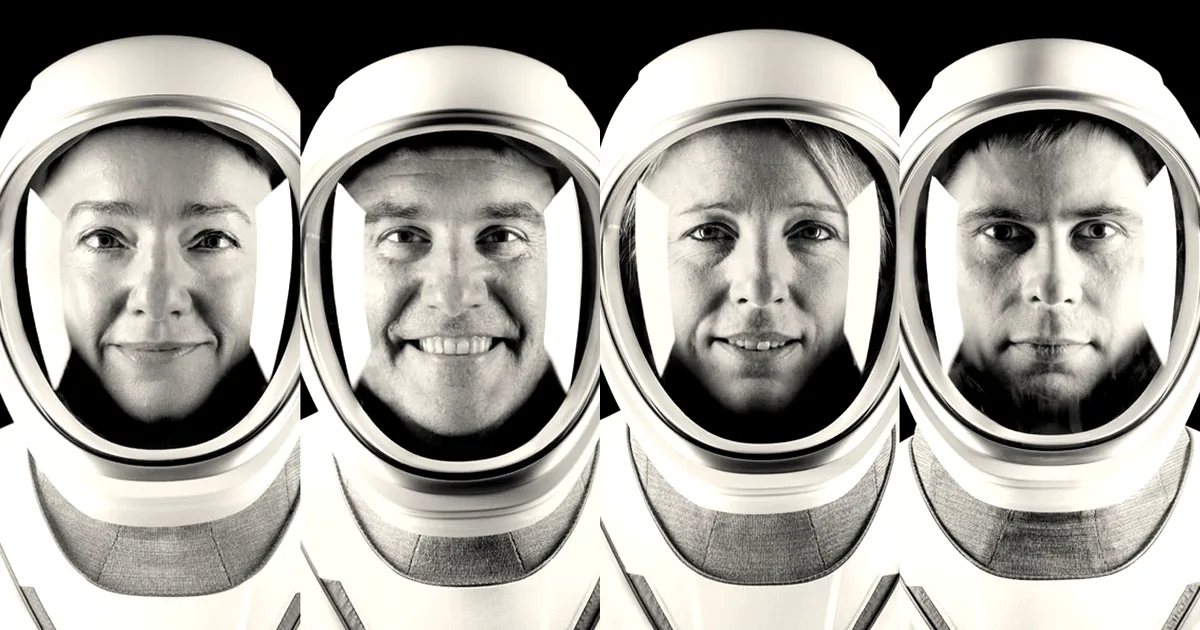
NASA has updated its policy to permit astronauts to bring smartphones into space. This policy shift is set to begin with two upcoming flights: Crew-12, which is a NASA mission to the International Space Station, and Artemis II, which is a NASA mission to bring humans around the moon. The Crew-12 mission is expected to head to the International Space Station next week. Meanwhile, the highly anticipated Artemis II mission—which will bring humans around the moon for the first time since the 1960s—has been delayed until March.
NASA Administrator Jared Isaacman explained that the policy update represents a broader effort to modernize how the agency evaluates consumer technology. Isaacman stated, “Just as important, we challenged long-standing processes and qualified modern hardware for spaceflight on an expedited timeline.” This rapid approval marks a departure from traditional government bureaucracy. Such caution is historically standard because the stakes of orbital travel are incredibly high; if one small thing goes astray, a spaceflight can go terribly wrong.
Isaacman noted that this operational urgency will serve NASA well as the agency pursues high-value science and research in orbit and on the lunar surface. By streamlining the qualification process, the agency aims to equip its astronauts with modern tools more quickly. The administrator highlighted that the policy is designed to give crews the tools to capture special moments for their families and share inspiring images and video with the world, allowing for more spontaneous documentation of their journeys.
While the decision marks a major policy shift for the government space agency, the presence of consumer smartphones in orbit is not entirely unprecedented. SpaceX, a private space company, previously permitted the use of smartphones on its private astronaut missions. However, NASA’s adoption of the technology represents a formal integration of modern consumer electronics into standard government-led spaceflight operations, signaling a transition toward utilizing commercially available hardware for official agency tasks as they prepare for upcoming missions.
Why it matters
NASA’s policy update to allow smartphones in space represents a significant shift in how the agency qualifies hardware, moving away from slow, traditional bureaucratic processes. By streamlining these approvals, the agency can equip astronauts with modern consumer technology to improve mission documentation and support high-value research in orbit and on the moon.