Apps & Consumer
Atma Sciences launches Gizmo for AI-generated mini-apps
New York startup Atma Sciences launched Gizmo, an AI-powered platform for creating interactive mini-apps, which has reached roughly 600,000 installs in less than six months.
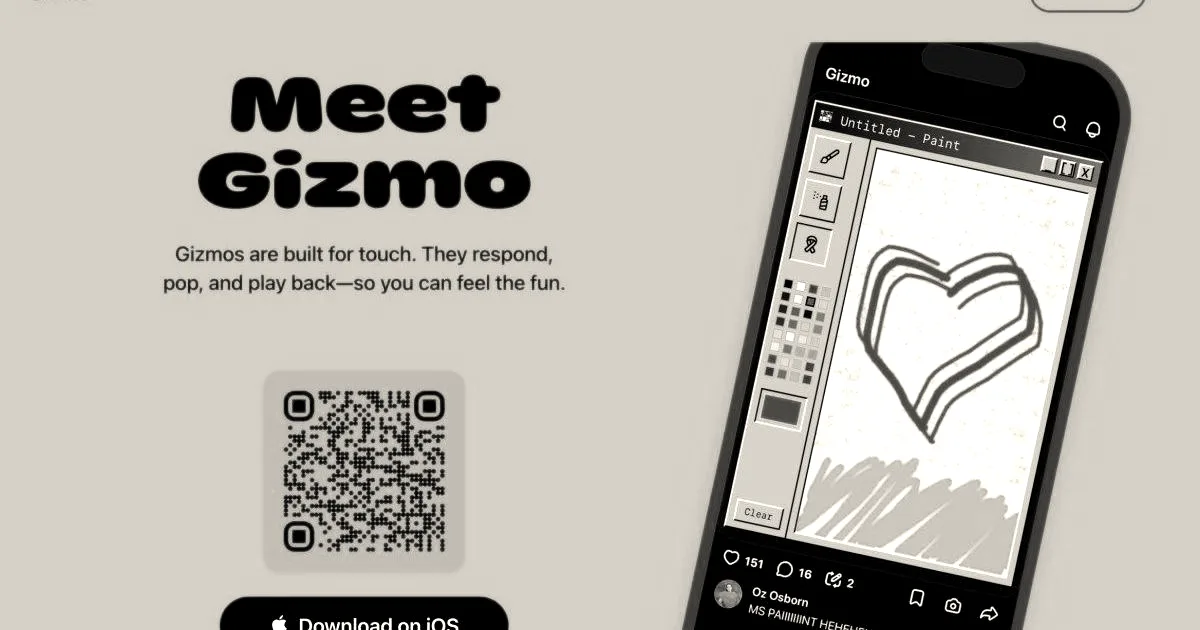
New York-based startup Atma Sciences has launched Gizmo, an interactive mini-app creation platform. The mobile application allows users to build interactive experiences using text, photos, sound, and touch. Gizmo utilizes AI coding technology to turn user ideas into functional interactive experiences. This approach taps into “vibe-coding”—a term referring to creating apps using natural language prompts rather than traditional programming. Instead of writing code, creators type out prompts to describe their concepts, and the platform’s underlying technology generates the code to make the mini-apps work.
The startup was co-founded by Rudd Fawcett and Brandon Francis, alongside CEO Josh Siegel and CTO Daniel Amitay. To fund the development of the platform, Atma Sciences raised a $5.49 million seed round from First Round Capital, according to data from PitchBook. The platform has grown since its introduction. Market intelligence firm Appfigures reports that Gizmo has accumulated roughly 600,000 installs since it was introduced less than six months ago, with around half of those downloads coming from the U.S.
Appfigures data highlights the platform’s growth trajectory:
- The app recorded 235,000 of its downloads in December, representing 39% of its total count.
- Gizmo’s overall growth from October to December reached 312%.
- Installs in November grew 180% from October.
- December installs increased by 50% month-over-month.
According to a company FAQ, apps are also vetted using AI and human moderation to ensure user safety.
Why it matters
Gizmo represents a new approach to the “vibe-coding” space, allowing users to create interactive mini-apps via natural language prompts rather than traditional coding. By lowering the technical barrier to software creation, the platform points to a shift where software becomes a highly accessible medium for personal expression and casual entertainment.