Compute & Cloud
Blue Origin files for more than 50,000-satellite orbital data center
Blue Origin has requested FCC permission to launch more than 50,000 satellites for an orbital data center, joining a crowded field of competitors aiming for the 2030s.
On March 19, Blue Origin, the space conglomerate founded by Amazon chair Jeff Bezos, filed a document with the Federal Communications Commission (FCC), the U.S. telecommunications regulator. In the filing, Blue Origin’s attorneys requested permission to launch a network of more than 50,000 satellites to function as an orbital data center. The proposed network, named Project Sunrise, aims to shift energy and water-intensive compute to orbit. According to the filing, this shift is intended to reduce pressure on U.S. resources and communities by moving heavy computing tasks away from terrestrial facilities. While the filing did not detail the exact computing power of the proposed satellites, it noted that Blue Origin plans to use TeraWave, a separate satellite constellation it is seeking to build, to serve as a high-throughput communications backbone.
The filing places Blue Origin in direct competition with several other companies targeting the space-based computing market. SpaceX has already filed for permission to launch a million satellites to build its own distributed data center. Meanwhile, the startup Starcloud has proposed a network of 60,000 spacecraft to the FCC. Google is also developing its own space data center concept, known as Project Suncatcher, in partnership with Planet Labs, which plans to launch two demo spacecraft next year.
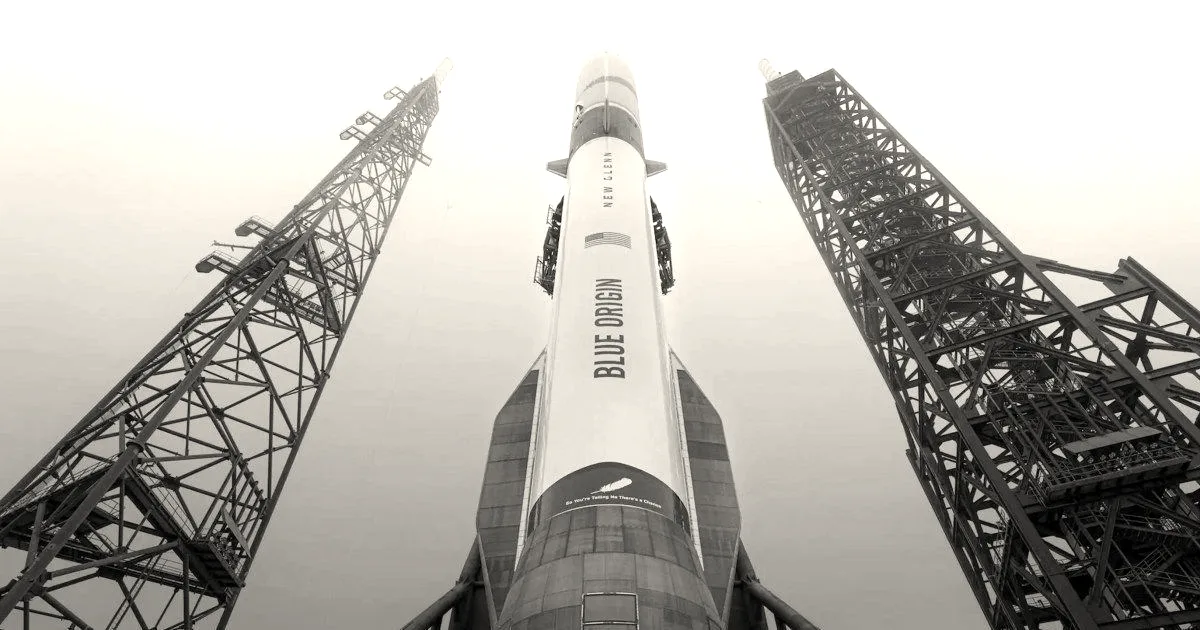
The economics of these orbital networks depend heavily on reducing launch costs. Blue Origin may find an advantage through New Glenn, its operational launch vehicle on Earth. If the company can successfully reuse these vehicles at a regular pace, it could achieve the benefits of vertical integration, similar to how SpaceX leveraged its own launch capabilities to establish the Starlink telecommunications network.
Despite the growing corporate interest, experts report that these space data center projects are unlikely to be realized until the 2030s. The proposals face steep technical, economic, and environmental hurdles. Operating thousands of spacecraft close to Earth raises concerns about orbital collisions. Additionally, the eventual disposal of these systems presents environmental risks, as burning up obsolete satellites in the upper atmosphere could cause harms to the ozone layer.
Why it matters
Blue Origin’s entry into the orbital data center market signals a broader industry shift toward space-based computing, though the viability of these projects remains tied to significant regulatory, environmental, and economic challenges.