Startups & Funding
Nth Cycle secures $1.1B deal to expand critical mineral refining
Nth Cycle has secured a $1.1 billion agreement with Trafigura to expand its modular electrochemical refining capacity in the U.S. and Europe.
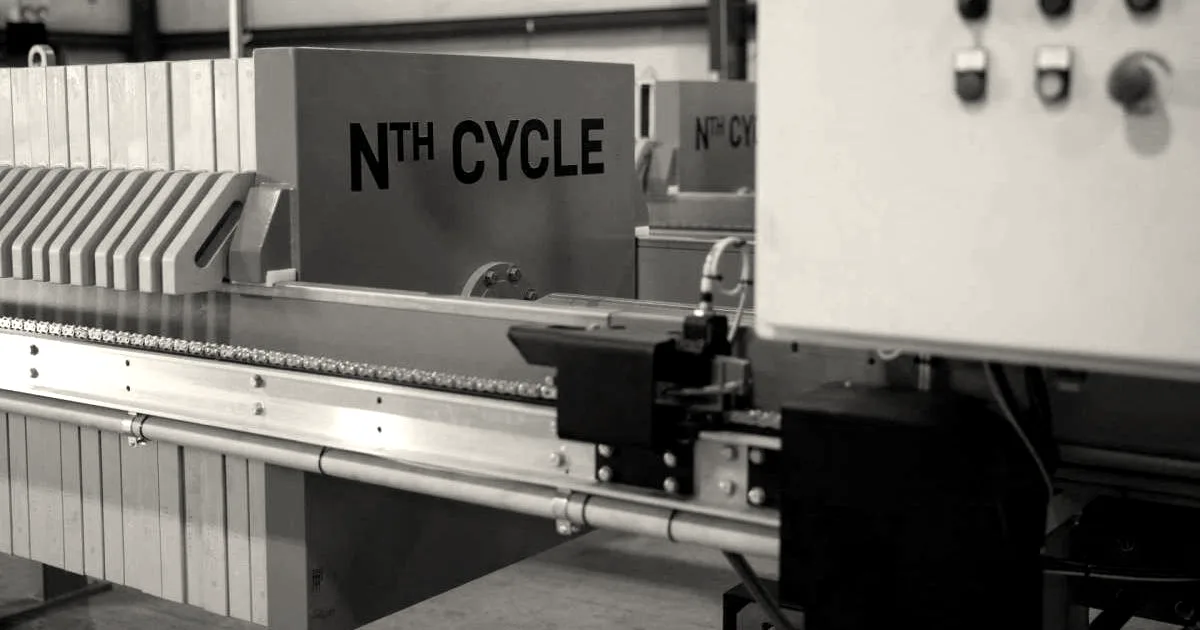
Nth Cycle, a developer of electrochemical systems—technology used to refine metals—has entered a $1.1 billion agreement with commodity trader Trafigura to expand its refining capacity. The partnership represents an effort to reshore the processing of critical minerals, which are materials essential for batteries, electronics, and defense. Currently, supply chains face vulnerabilities. For instance, Chinese companies control around 75% of the nickel refining capacity in Indonesia. This concentration has prompted companies to seek domestic refining alternatives in the U.S. and Europe.
To address this, Nth Cycle utilizes an electrochemical system that is about five to 10 times smaller than a traditional refinery. This smaller footprint reduces capital expenditures, allowing the system to operate profitably at lower volumes. According to Megan O’Connor, co-founder and CEO of Nth Cycle, “Our system can operate profitably at as low as 6,000 metric tons per year.” This approach contrasts with traditional, centralized refining systems used in Asia, which O’Connor noted are too capital-intensive to translate to the U.S. The startup works with recyclers to obtain black mass—a mixture of metals recovered from shredded batteries—and other nickel sources, feeding them into its system.
The company is scaling its operations beyond its initial facility in Ohio, which started production just over a year ago and can process up to 3,100 metric tons of scrap. Nth Cycle is now building new facilities in South Carolina and the Netherlands. These two new plants will have a combined capacity to process 18,000 metric tons of scrap, aiming to match refining volumes to available supply. Other players are also active in the domestic market; for example, competitor Westwin Elements operates a refinery in Oklahoma and is trying to expand with a facility in Georgia. Meanwhile, battery-recycling company Redwood Materials has also been active in managing battery waste. Nth Cycle’s modular system is designed to allow the company to add modules as waste volumes grow, matching capacity to available materials.
Why it matters
The $1.1 billion deal between Nth Cycle and Trafigura signals a shift in how companies are evaluating their metal supply chains and utilizing technology to reshore critical minerals refining.