Apps & Consumer
Brick launches $59 NFC gadget to curb screen time
Brick has launched a $59 NFC-enabled gadget that forces users to physically interact with the device to unblock apps, aiming to reduce screen time through intentional friction.
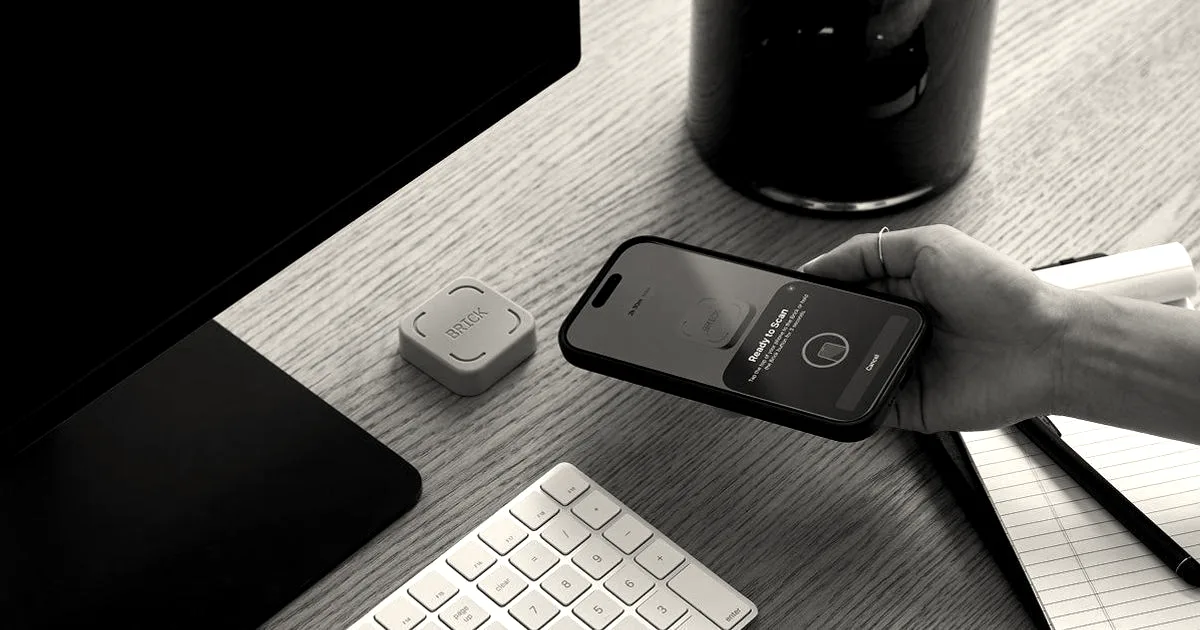
A new hardware product is attempting to solve digital distraction by moving screen-time limits into the physical world. Brick has launched a $59 Near Field Communication (NFC)-enabled gadget designed to help users reduce phone usage and improve sleep habits. Unlike software-only solutions, the device requires physical interaction to unblock restricted applications. According to co-founder Zach Nasgowitz, “Brick was born from a personal need: our phones were getting in the way of living.”
The system works by blocking access to selected apps unless the user physically taps their phone against the Brick device. For example, a user can set a sleep mode to turn on at 10:30, blocking most apps while keeping allowed applications active. To unblock them, the user must physically walk to where the Brick is located and tap the phone, preventing scrolling in bed. This contrasts with smartphone settings, such as a 30 minutes daily social media limit on an iPhone, which are easily bypassed with a simple screen prompt. Brick co-founder TJ Driver stated that software-only solutions like Screen Time and Digital Wellbeing are easy to bypass, and that adding friction is what actually works. Driver added that physical technology creates a real separation that a software prompt cannot replicate, making the decision to reconnect an intentional choice rather than an unconscious reflex. For users who want to replicate this setup without buying the hardware, the source notes that they could try to DIY a similar system using an NFC tag and Apple Shortcuts.
This approach positions Brick within the growing dumb phone movement—referring to basic mobile phones with limited functionality—as consumers seek alternatives to constant connectivity. While some users want to switch to simpler devices, modern life often requires access to specific applications. For instance, Nasgowitz shared an anecdote of a customer who wanted a dumb phone but could not give up KakaoTalk, a primary messaging application used to communicate with his wife and friends based in Korea. According to Nasgowitz, the customer found that the gadget turned his phone into what he always wanted—a phone that can text, call, take photos, and use KakaoTalk. Ultimately, the goal is not to reject modern devices entirely but to establish boundaries. As Driver noted, the broader screen-time movement is not about rejecting technology, but rather about reclaiming agency and being intentional again.
Why it matters
The Brick gadget addresses consumer disillusionment with Big Tech and screen addiction by using physical NFC-enabled hardware to enforce screen-time limits. By introducing physical friction, it offers a tangible alternative to software-only solutions.