Startups & Funding
Rubi raises $7.5 million to turn CO2 into textile-grade cellulose
Rubi raised $7.5 million to scale its enzyme-based technology that converts captured carbon dioxide into cellulose for the fashion industry, backed by partners like H&M.
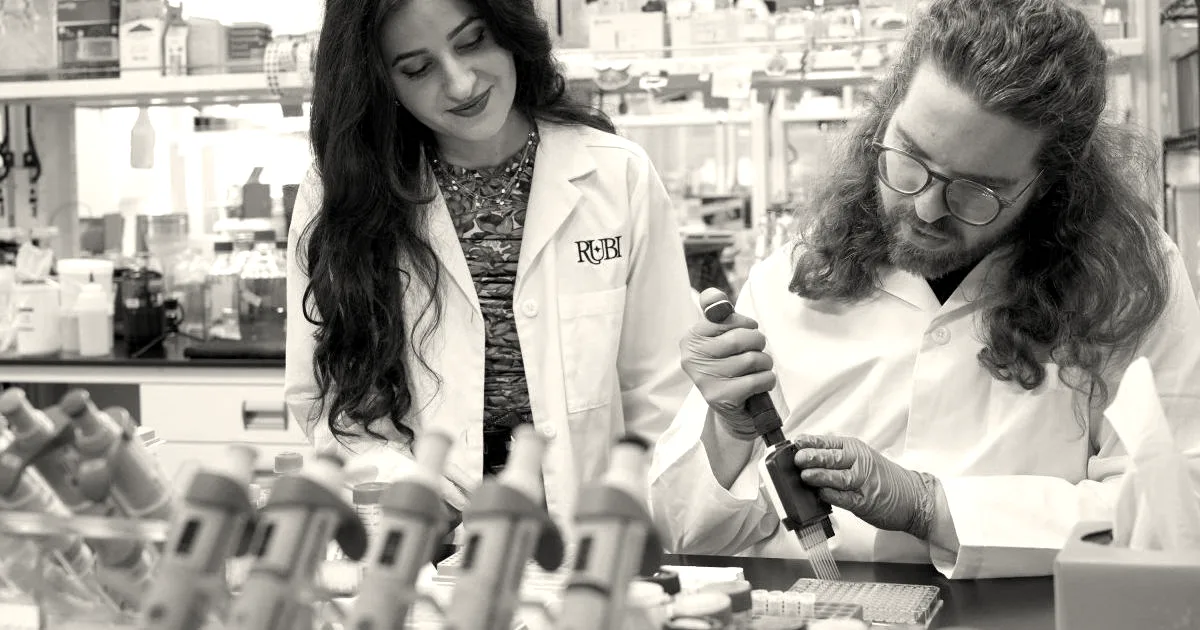
Rubi, a startup co-founded by sisters Neeka Mashouf and Leila Mashouf, has raised $7.5 million to build a demonstration scale of its cellulosic production system. The system is designed to produce tens of tons of material using carbon dioxide as its main ingredient. The funding round was led by:
- AP Ventures
- FH One Investments
With participation from:
- CMPC Ventures
- H&M Group
- Talis Capital
- Understorey Ventures
The investment comes as the fashion industry faces intense pressure over its environmental impact. About one garbage truck of textiles is thrown away every second, and the sector generates more carbon pollution than international flights and maritime shipping combined. To address this, Rubi uses a “cascade” of enzymes to process waste carbon dioxide, a method that differs from other startups using engineered bacteria or chemical catalysts. This process allows the company to make the building blocks of lyocell and viscose—both of which are types of rayon or cellulose fiber—by “basically taking the machinery of biology outside of the cell,” according to Neeka Mashouf, who serves as CEO. Currently, most cellulose is sourced from trees, including plantations and virgin rainforests. To validate its technology, Rubi has already tested its material with 15 pilot partners, including H&M, Patagonia, and Walmart.
Beyond these initial pilots, the company has booked more than $60 million in non-binding off-take agreements—which are contractual agreements to purchase future production. While the startup is initially targeting apparel companies, Neeka Mashouf noted that there is strong interest in the U.S. to produce textile-grade cellulose pulp, which does not currently exist in the country. To scale up, the company has used AI and machine learning methods to boost the enzymes’ efficacy and stability. Currently, the enzymes float in an aqueous solution inside reactors that fit within shipping container-sized modules, where white cellulose appears within a few minutes of adding carbon dioxide. Eventually, Rubi plans to change its process to allow for continuous production. Mashouf views the technology as a platform to eventually produce various chemicals and materials across the economy at a low cost.
Why it matters
Rubi is developing a technology to produce cellulose for textiles using captured carbon dioxide, aiming to reduce the fashion industry’s reliance on fossil fuels and traditional cellulose sources like trees.