Startups & Funding
GTMfund: Why distribution is the final moat for AI startups
GTMfund argues that in the AI-driven startup era, distribution excellence—not just product development—has become the critical competitive moat for new companies.
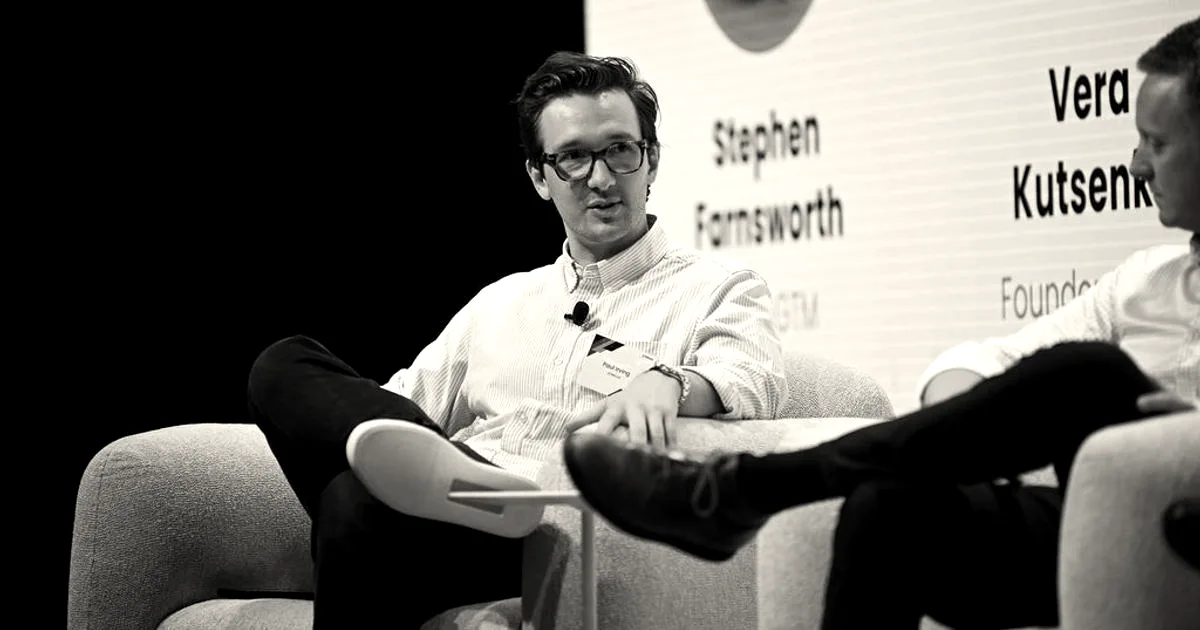
Speaking on the podcast Build Mode, Paul Irving, partner and COO at GTMfund, argued that many startups are failing because they focus too heavily on product development at the expense of distribution excellence. GTMfund operates under the thesis that distribution is the final competitive moat in the artificial intelligence era. According to Irving, the rapid acceleration of innovation cycles means that building software has become easier, making distribution the primary differentiator. Consequently, the traditional, one-size-fits-all go-to-market (GTM) playbook—the strategy for bringing a product to customers—is no longer sufficient to survive in a crowded market.
Irving notes that the pathways to building a revenue engine have become highly specific to each company, meaning that the decisions founders make to build their go-to-market strategies must depend entirely on their unique circumstances. In the AI-driven startup era of 2025, AI can help small teams hone their data-driven approach and find direct lines to their customer base. Rather than attempting to tackle all distribution channels at once or spending heavily on traditional sales teams, founders are advised to find creative, targeted ways to reach their Ideal Customer Profile (ICP)—the description of their perfect high-value buyer. For example, Irving points to a startup that became active in specific online groups to reach a highly targeted audience. “If you think about it in the framework of, okay, it’s a thousand people, but 700 of them are my actual ICP and buyer because of the specific groups that either we started as a company or the ones that we’ve become the most active posters in. It can become a really unique channel if you’re looking to bring on 40, 50, 60 new customers in a given year,” Irving said.
Beyond tactical distribution, Irving emphasizes that founders should leverage the broader venture-backed ecosystem for bespoke advice rather than relying on generic scaling strategies. He notes that the startup community is generally willing to help founders who approach them with curiosity and offer mutual learning. Rather than simply handing founders a list of contacts, GTMfund focuses on creating bespoke pairings between portfolio companies and operators to ensure mutual value. The podcast Build Mode is hosted by Isabelle Johannessen, produced and edited by Maggie Nye, with audience development led by Morgan Little. The show’s production also received support from the Foundry and Cheddar video teams.
Why it matters
As innovation cycles accelerate, the traditional one-size-fits-all go-to-market playbook is failing; founders must now treat distribution as a creative, bespoke competitive advantage to survive.