Apps & Consumer
Google introduces agentic shopping and payment protocols
Google launched Universal Cart in the U.S. to centralize shopping, while potentially positioning itself to control the entire consumer journey through new agentic payment protocols.
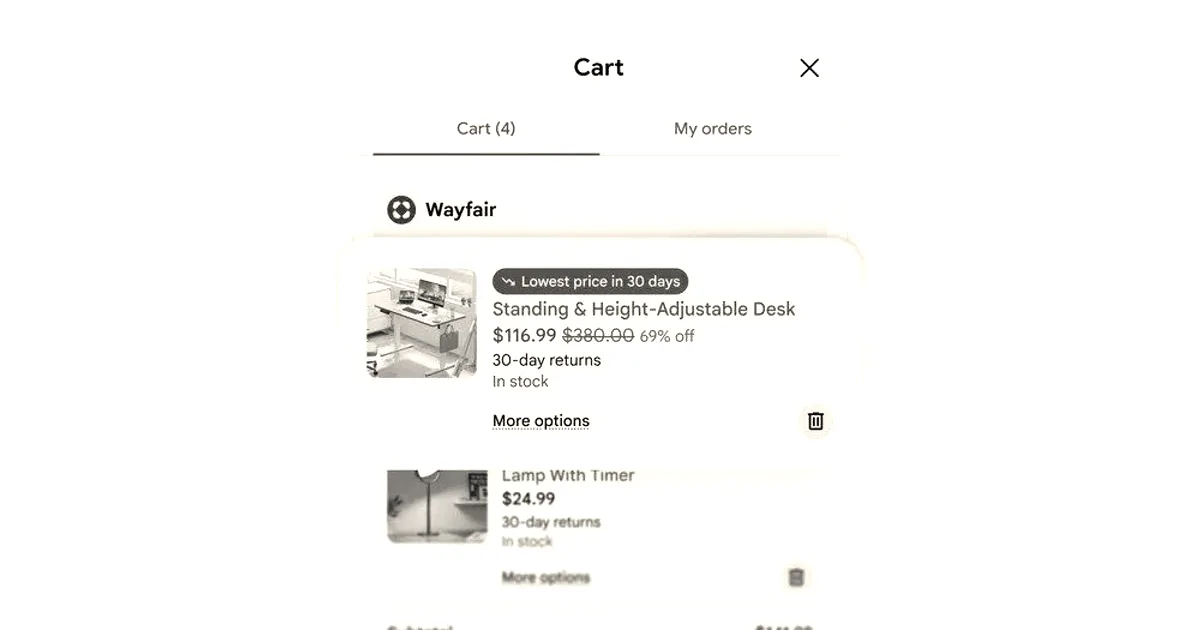
At its Google I/O event on Tuesday, Google introduced Universal Cart, a new agentic hub—a centralized system managed by artificial intelligence agents—designed to manage shopping in one place across its various services. These updates signal Google’s push to turn AI assistants from passive recommendation tools into active participants in online commerce. By launching this centralized shopping system, the company is positioning itself to control more of the entire shopping journey. This move potentially positions Google to control the relationship between consumers and the merchants competing for their attention.
The Universal Cart feature is rolling out in the U.S. today, with plans to bring it to the Gemini AI assistant app this summer. The tool allows users to add products from across Google services into a single cart. Once items are added, the system tracks deals, monitors price drops, and alerts users when items are back in stock. The cart also uses AI to help shoppers make better decisions. Because the cart uses AI to assist shoppers, Google may flag compatibility issues when users add parts from multiple merchants into a single cart. Additionally, for rewards maximizers—users who optimize for loyalty points and savings—the feature can surface savings and help stretch points because it is built on Google Wallet infrastructure.
Alongside the cart, Google announced updates to its open-standard Universal Commerce Protocol (UCP) and its Agent Payments Protocol (AP2). The UCP allows users to check out directly through Google with participating merchants or transfer items to a merchant’s site. Google is expanding UCP to categories like hotels and local food delivery, with plans to expand the protocol to Canada and Australia in the coming months, and later to the U.K. However, the more consequential announcement for the commerce industry may be AP2, a protocol designed to let AI agents securely make payments on behalf of users within defined limits, such as spending caps and specific brands. Google plans to integrate AP2 into its own products in the coming months, creating a verifiable link between users, merchants, and payment processors. This integration of AP2 aims to enable software agents to complete purchases autonomously on behalf of users.
Why it matters
Google is shifting AI assistants from passive recommendation engines to active commerce participants, potentially giving the company greater visibility into the entire consumer shopping journey.