Startups & Funding
Freeform raises $67 million to scale AI-native metal 3D printing
Freeform raised $67 million in Series B funding to scale its AI-native metal 3D-printing platform and expand its workforce by as many as 100 employees.
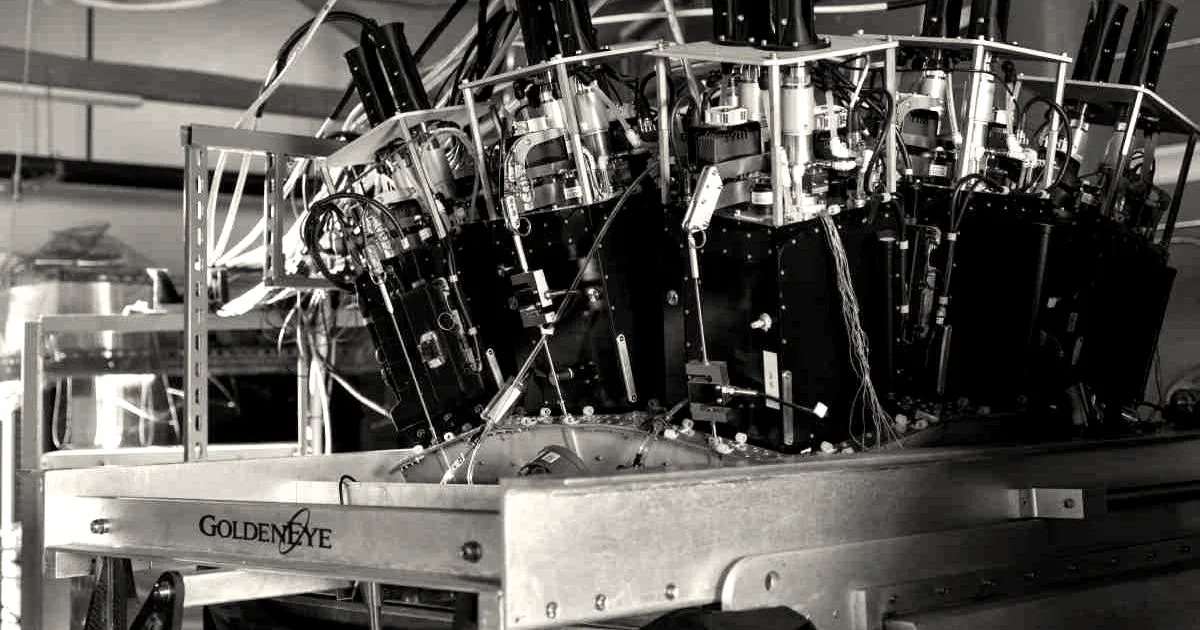
Freeform, a startup developing 3D-printing systems for metal components, has raised a $67 million Series B funding round to expand its manufacturing platform. While the company declined to disclose its post-financing valuation, PitchBook reports the figure at $179 million. The investment round drew participation from a broad group of backers:
- Apandion
- AE Ventures
- Founders Fund
- Linse Capital
- Nvidia’s NVentures
- Threshold Ventures
- Two Sigma Ventures
The funding will support the transition from Freeform’s current “GoldenEye” printing system, which uses 18 lasers to fuse metal powders, to its next iteration, “Skyfall.” The upcoming Skyfall system is planned to use hundreds of lasers to produce thousands of kilograms of metal parts daily. To optimize this workflow, Freeform runs real-time physics-based simulations using H200 clusters—Nvidia GPU hardware used for AI and simulations—located directly on-site. “I think we’re the only quote-unquote manufacturing company out there that has H200 clusters in a data center on site,” said CEO and co-founder Erik Palitsch. Head of talent Cameron Kay asserted that the company holds more meaningful data on the physics of the metal-printing process than any company in the world. Palitsch launched this vision in 2018 after developing rocket engines at SpaceX, where he found that industrial machines for printing metal components are expensive, finicky, and not well designed for mass manufacturing.
Freeform operates in the expanding manufacturing-as-a-service sector, a business model that provides automated production services. Venture capital interest in physical production has grown as investors take a greater interest in building vehicles, robots, and energy production systems. Freeform faces competition from several heavily funded players in this space, including Hadrian, which recently reached a $1.6B valuation while developing automated production for defense, as well as VulcanForms and Divergent.
To execute on its contract backlog, Freeform plans to hire as many as 100 new employees and expand its production facility. Amid these growth plans, the company’s leadership structure has shifted: Thomas Ronacher, who previously served as president, has left the company.
Why it matters
Freeform is attempting to solve the expensive and finicky nature of industrial metal printing by applying AI-native software controls and massive compute power, aiming to turn manufacturing into a scalable, data-driven service.