Markets & Business
Ford launches AI assistant for commercial fleet customers
Ford launched an AI assistant for its commercial Ford Pro customers, built on Google Cloud, as the automaker pushes to grow its software subscription revenue.
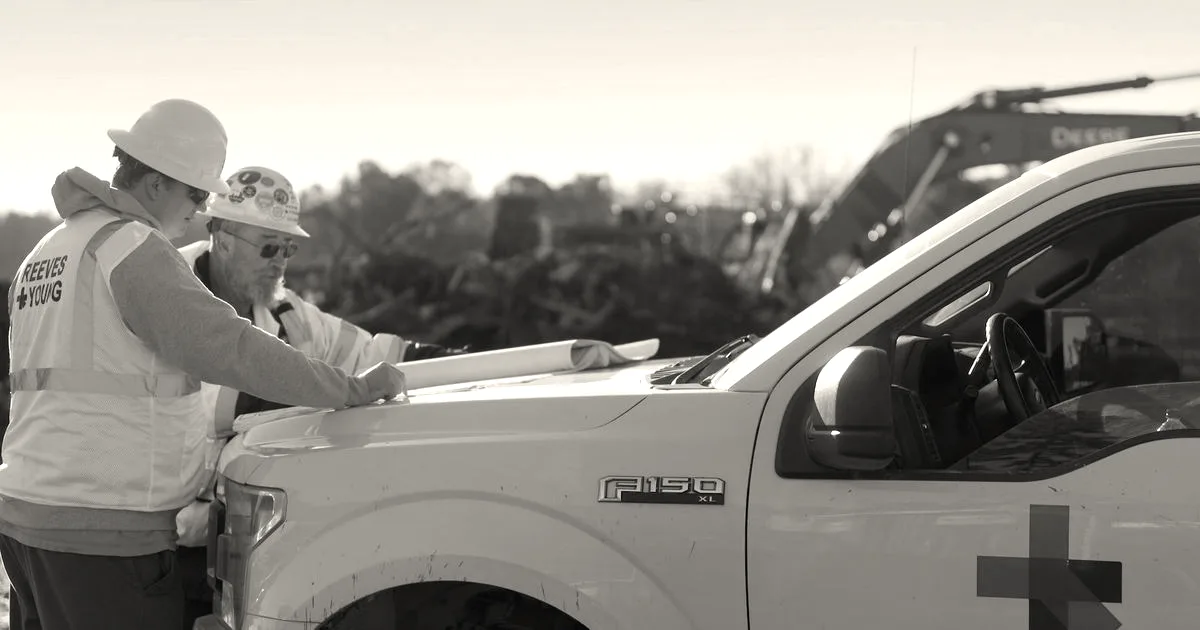
Ford rolled out an AI assistant this week for its Ford Pro commercial vehicle business division, marking a significant step in the automaker’s push to monetize software services. Built on Google Cloud, the new tool utilizes AI agents to analyze fleet data for commercial operators. The assistant is included for U.S.-based subscribers of Ford Pro telematics—the technology used to monitor vehicle data. While Ford does not disclose its specific subscriber figures within the United States, the company currently has more than 840,000 global subscribers.
The launch targets Ford’s highly profitable commercial division, which has become a key driver of the company’s financial performance. For the 2025 reporting period, the Ford Pro business division reported the following financial results:
- Revenue of $66.3 billion
- Net income of $6.8 billion
- Paid software subscription growth of 30%
Beyond its commercial fleet business, the automaker is expanding its software efforts into consumer vehicles. Earlier this year at CES 2026, Ford announced it is developing an AI assistant for passenger cars and trucks. This consumer-facing assistant will debut in a smartphone app before expanding directly to vehicles in 2027. To minimize AI hallucinations—errors in AI output—the commercial version of the assistant uses internal data from each customer’s fleet.
The deployment of these tools comes as executive leadership navigates the broader labor implications of artificial intelligence. CEO Jim Farley previously predicted that AI would halve the number of white-collar jobs in the United States. More recently, in January, Farley stated that “the U.S. needed essential workers to build and support the infrastructure needed to reach its AI moonshot goals”—referring to ambitious AI development goals.
Why it matters
Ford is leveraging its highly profitable commercial division to scale software subscriptions, establishing a recurring revenue stream before rolling out consumer-facing AI. However, the transition highlights a corporate tension, as leadership simultaneously prepares for significant AI-driven reductions in its white-collar workforce.