Apps & Consumer
Figma launches AI agent for its collaborative design canvas
Figma is launching an AI agent within its collaborative canvas to automate design tasks, while reporting $333.4 million in revenue for the first quarter of 2026.
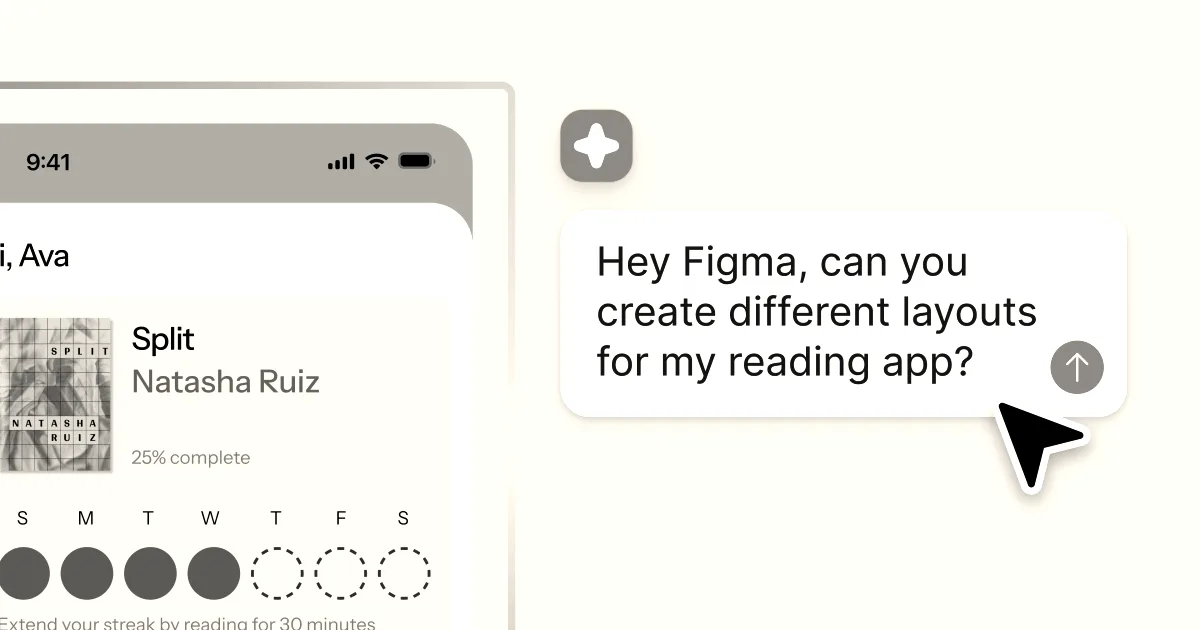
Figma is launching a new AI agent designed to operate directly within its collaborative canvas, which serves as the company’s core design interface. The tool allows users to use natural language text prompts to generate new designs, edit existing layouts, or automate repetitive tasks like creating iterations of existing designs. Users can also run multiple agents simultaneously to handle different tasks. The AI agent is currently launching in Figma Design, and the company plans to eventually make the agent available in its other products as it seeks to bring design and code closer together.
To support these capabilities, Figma has partnered with Anthropic and OpenAI to integrate support for AI Command Line Interface (CLI) tools. This partnership enables users to run coding environments directly alongside Figma’s design software.
The shift toward agentic workflows is intended to change how design teams operate. Loredana Crisan, Figma’s chief design officer, highlighted this transition: “As building software gets easier, what matters most is setting direction: deciding what to work on, how it should function, what the experience should feel like. Teams can now collaborate with agents on the multiplayer canvas to test out ideas, visualize edge cases, and refine concepts together without over-indexing on the more tedious parts,”
This expansion comes amid competition from rival design platforms, including Canva, Adobe, Flora, Krea, and Dessn. To bolster its product suite, Figma acquired Weavy, a node-based design tool, last year. Despite this competitive pressure, the company reported significant financial growth for the first quarter of 2026:
- Quarterly Revenue: $333.4 million in the first quarter of 2026.
- Year-over-Year Growth: 46% more than a year earlier.
Why it matters
Figma is integrating AI agents directly into its design canvas to help users automate tasks and iterate on designs, while also reporting strong revenue growth despite market competition.