Apps & Consumer
DuckDuckGo sees surge in installs amid Google AI backlash
DuckDuckGo is seeing a surge in app installs as users reject Google's AI-heavy search overhaul, highlighting a potential shift toward privacy-focused, AI-optional search alternatives.
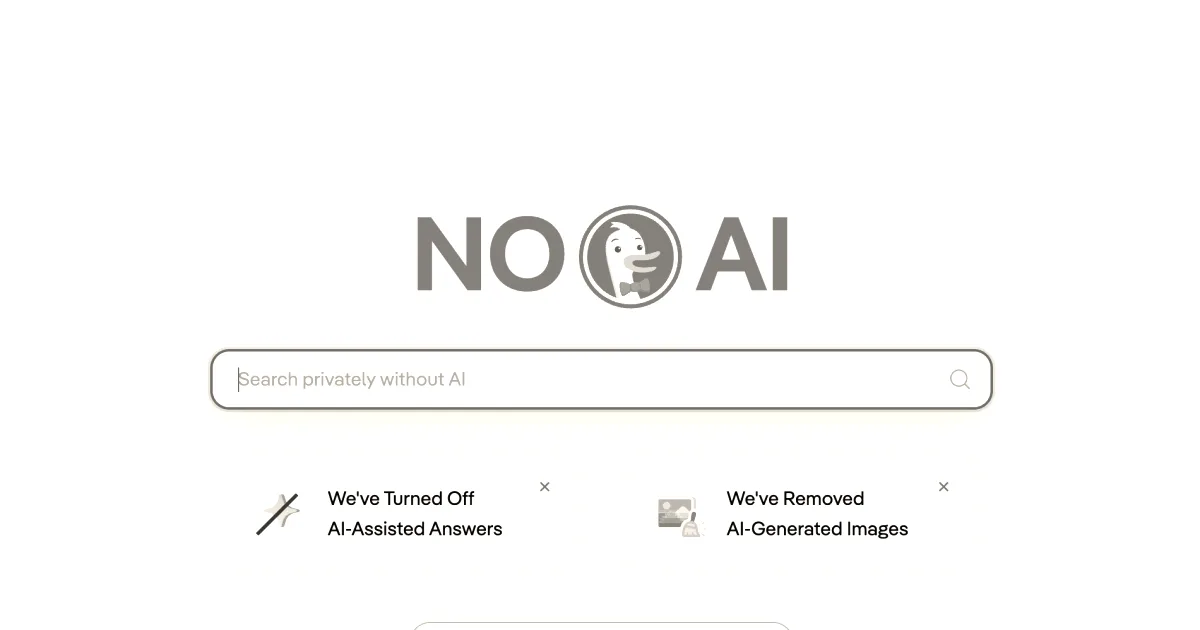
DuckDuckGo is experiencing a significant spike in user adoption as consumers react to Google’s recent search overhaul. According to company data comparing the period of May 20 to May 25 with May 13 to May 18, the privacy-focused search engine saw a substantial rise in installations and traffic:
- U.S. app installs increased by an average of 18.1% week-over-week, peaking at 30.5% on May 25.
- On iOS, week-over-week install growth reached a 33% average, peaking at 69.9%.
- Visits to noai.duckduckgo.com, a page that turns off all AI features by default, grew by an average of 22.7% week-over-week, peaking at 27.7% on May 24.
DuckDuckGo executives argue that the surge reflects a demand for user control and privacy. Gabriel Weinberg, the CEO of DuckDuckGo, stated on Tuesday that “Google is force-feeding AI with no way to opt out.” Weinberg added that Google’s search results are getting worse rather than better, and expressed a desire for DuckDuckGo to let users decide how much AI they want to use. He also emphasized that the company respects user privacy by not collecting search histories or chats, and ensuring nothing is used for AI training. Kamyl Bazbaz, DuckDuckGo’s chief communications and policy officer, noted that the company’s AI features are among its most popular, stating that people simply want a choice.
Independent data supports this shift. App analytics provider Apptopia reported a 29% increase in average daily downloads in the U.S. and a 12% increase globally over the same period. Meanwhile, Google defended its rollout. A Google spokesperson pointed to a recent blog post by Elizabeth Reid, Google’s VP of search, stating that its conversational search interface, known as AI Mode, has surpassed one billion monthly users. The spokesperson also noted that AI Overviews, which are Google’s AI-generated search summaries, have existed for two years and that AI Mode is not the default interface.
Despite the recent surge, DuckDuckGo still holds only around 2% of the U.S. search market. The company’s struggle to expand against Google’s dominance has historical roots in regulatory disputes. During the 2023 Google search antitrust trial, Weinberg testified that Google’s exclusive default search contracts harmed its ability to pitch itself as the default on other browsers.
Why it matters
DuckDuckGo’s growth suggests a tangible market opportunity for privacy-first, AI-optional search tools as users express frustration with the forced integration of AI in dominant search engines.