Chips & Hardware
Commonwealth Fusion Systems sells magnets to Realta Fusion
Commonwealth Fusion Systems will supply high-temperature superconducting magnets to Realta Fusion, marking the company's latest move to generate revenue while developing its own fusion reactor.
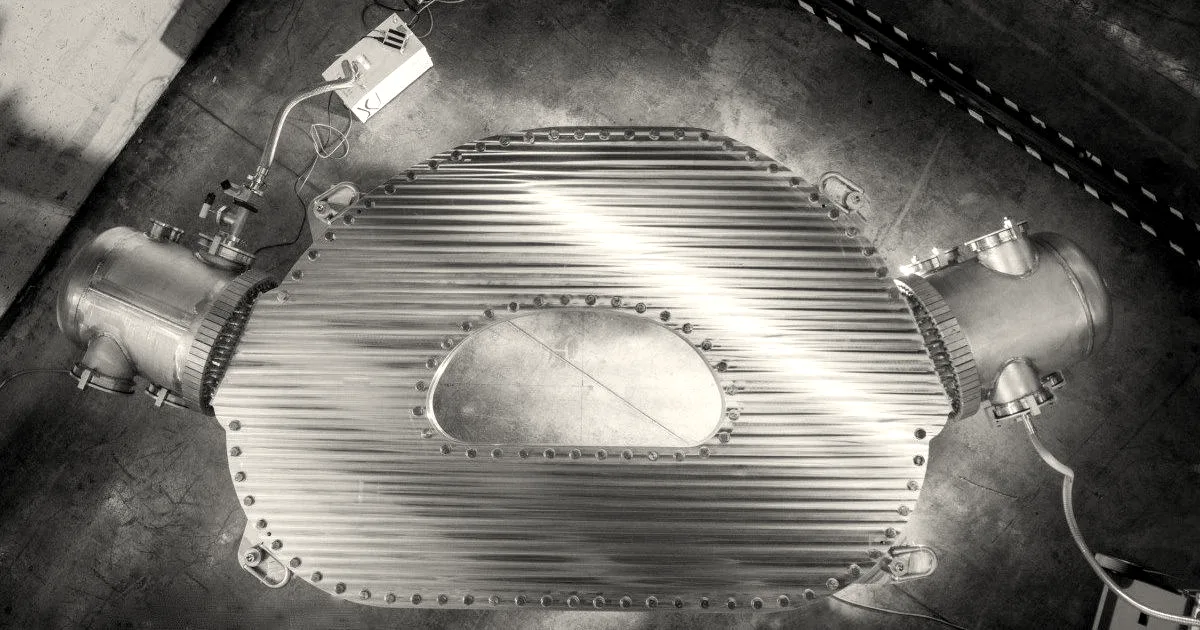
Commonwealth Fusion Systems announced on Thursday that it will sell high-temperature superconducting magnets to Realta Fusion. “It’s the largest deal of this kind to date for CFS,” said Rick Needham, the chief commercial officer of Commonwealth Fusion Systems. These high-temperature superconducting magnets serve as the key technology for plasma confinement in fusion reactors. Realta Fusion, a startup collaborating with the University of Wisconsin, will use the magnets for its magnetic mirror reactor design.
The deal highlights how Commonwealth Fusion Systems, which was founded in 2018 as an MIT spinout, interacts with other players in the fusion sector. While the company is selling physical magnets to Realta Fusion, it has previously taken different approaches with other partners. For instance, Commonwealth Fusion Systems licensed its high-temperature superconducting magnet technology to Type One Fusion, which is developing a stellarator reactor design. It also previously sold magnets to the WHAM experiment at the University of Wisconsin.
These partnerships support different reactor designs. In a magnetic mirror reactor like Realta’s, plasma is confined in a shape resembling two 2-liter soda bottles connected at the base, using magnets to force the plasma toward the center. In contrast, Commonwealth Fusion Systems is pursuing a tokamak design, which uses D-shaped magnets to circulate plasma in a doughnut-like shape. The company plans to eventually build its future commercial-scale reactor, called Arc, in Virginia.
The sales and licensing agreements help Commonwealth Fusion Systems generate near-term revenue to offset its capital investments. The company has raised nearly $3 billion in venture capital to date. A portion of these funds went toward building its magnet factory, a project that took seven years and cost hundreds of millions of dollars. Until now, the factory’s primary focus has been manufacturing magnets for Sparc, the company’s demonstration reactor. The Sparc reactor is now 70% complete, making it an opportune time to begin supporting Realta Fusion with magnet manufacturing, according to Needham. The Sparc demonstration reactor is expected to turn on later this year.
Why it matters
The deal highlights how Commonwealth Fusion Systems is leveraging its magnet technology to generate revenue while it continues to develop its own fusion reactor.