Chips & Hardware
Blue Origin reuses New Glenn rocket but faces payload issues
Blue Origin successfully reused a New Glenn rocket for the first time, though the mission's overall success may be in question after the payload entered an off-nominal orbit.
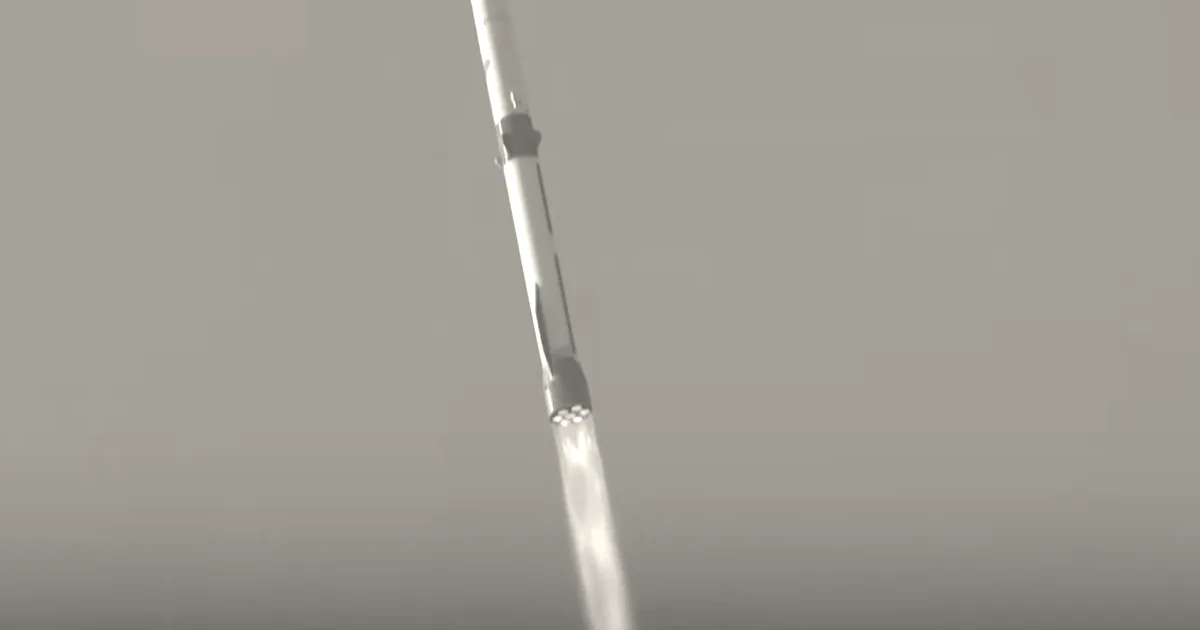
On Sunday, Jeff Bezos’ space company Blue Origin achieved a major technical milestone by successfully reusing its New Glenn rocket booster for the first time. However, the overall mission’s success may be in question. Roughly two hours after the launch, the company revealed that the communications satellite carried for AST SpaceMobile ended up in an off-nominal orbit—an orbit that was not the intended path. The development suggests that something may have gone wrong with the rocket’s upper stage, which is the part of the rocket that carries the payload into final orbit. In other words, the company missed the mark on the deployment.
The flight began with a successful liftoff, and Blue Origin recovered the rocket booster a second time on a drone ship roughly 10 minutes after takeoff. This was the same booster used in the second New Glenn mission in November, which put two robotic NASA spacecraft into space. Following Sunday’s launch, Blue Origin confirmed payload separation—the moment the cargo is released from the rocket. The company stated, “We are currently assessing and will update when we have more detailed information.” However, AST SpaceMobile later stated that the satellite was placed in an orbit that was lower than planned, meaning the satellite will have to be de-orbited. According to pre-launch timelines, the upper stage should have performed a second burn roughly one hour after lift off, but it remains unclear if the second burn happened.
This flight marked the third-ever launch of the New Glenn system, occurring a little more than one year after the rocket’s first flight and following more than a decade of development. While Blue Origin is currently preparing its first robotic moon lander for an attempted launch later this year, any trouble deploying the satellite could present a risk to Blue Origin’s near-term plans. The company has a deal to launch multiple satellites for AST SpaceMobile over the next few years, and it also plans to use New Glenn for NASA moon missions and to help Amazon build space-based satellite networks.
Why it matters
Making New Glenn reusable is critical to its economics. SpaceX’s ability to refly Falcon 9 boosters is a primary reason it dominates the global orbital launch market, making this milestone essential for Blue Origin’s competitive standing.