Policy & Regulation
Blue Origin cleared to resume New Glenn launches
The FAA has cleared Blue Origin’s New Glenn rocket to resume flights following a one-month grounding caused by an upper-stage failure during an April mission.
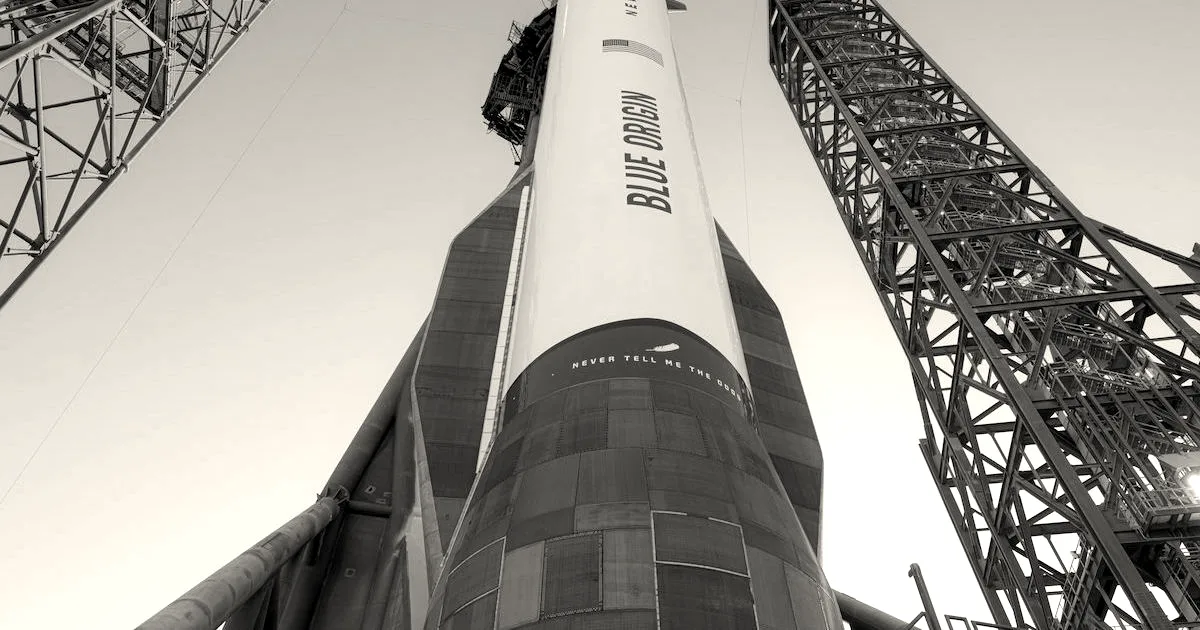
On Friday, the spaceflight company Blue Origin announced that the Federal Aviation Administration has cleared its New Glenn rocket to fly again. The Federal Aviation Administration, which serves as the US aviation and space regulator, issued the clearance to end a one-month grounding of the heavy-lift launch vehicle. The regulatory suspension was enacted after an April launch during which the New Glenn upper stage failed to deliver a commercial payload. This clearance allows the company, owned by Jeff Bezos, to resume its flight operations.
The grounding followed an incident where the rocket’s upper stage “experienced an off-nominal thermal condition,” according to statements shared by Blue Origin in a post on X. This thermal issue affected one of the three rocket engines on the upper stage, causing the engine to produce lower-than-expected thrust during the April mission. Because of this engine issue, the payload—a satellite owned by AST SpaceMobile—could not be properly deployed. Instead, the satellite that Blue Origin was supposed to put into orbit instead burned up in Earth’s atmosphere. AST SpaceMobile was the customer whose satellite was lost during the launch. Blue Origin subsequently submitted a report to the Federal Aviation Administration and took corrective measures, though the company did not detail what those specific measures were.
The mishap occurred during what was only the third-ever flight for the New Glenn heavy-lift launch vehicle, which otherwise proceeded without issues. Despite the upper-stage failure, Blue Origin successfully reused the New Glenn booster stage for the first time ever, landing it for a second time on a drone ship in the ocean. Following the loss of the payload, AST SpaceMobile stated that it had insurance coverage that covered the cost of the lost satellite.
Following the decision by the Federal Aviation Administration to lift the grounding, Blue Origin plans to launch the rocket as many as 12 times by the end of 2026. This target represents a key milestone for the company’s heavy-lift launch vehicle program. However, because the rocket was sidelined, it is unclear how much of an effect the one-month grounding has had on these launch ambitions.
Why it matters
The Federal Aviation Administration’s clearance allows Blue Origin to resume its launch schedule for the New Glenn heavy-lift launch vehicle. This follows a one-month grounding caused by an incident where the upper stage failed to deliver a commercial payload during an April mission.