Apps & Consumer
Apple adds bill-splitting to iPhone camera
Apple unveiled a new iPhone camera feature that allows users to scan receipts and request payments via Apple Cash, ideally making bill splitting less awkward.
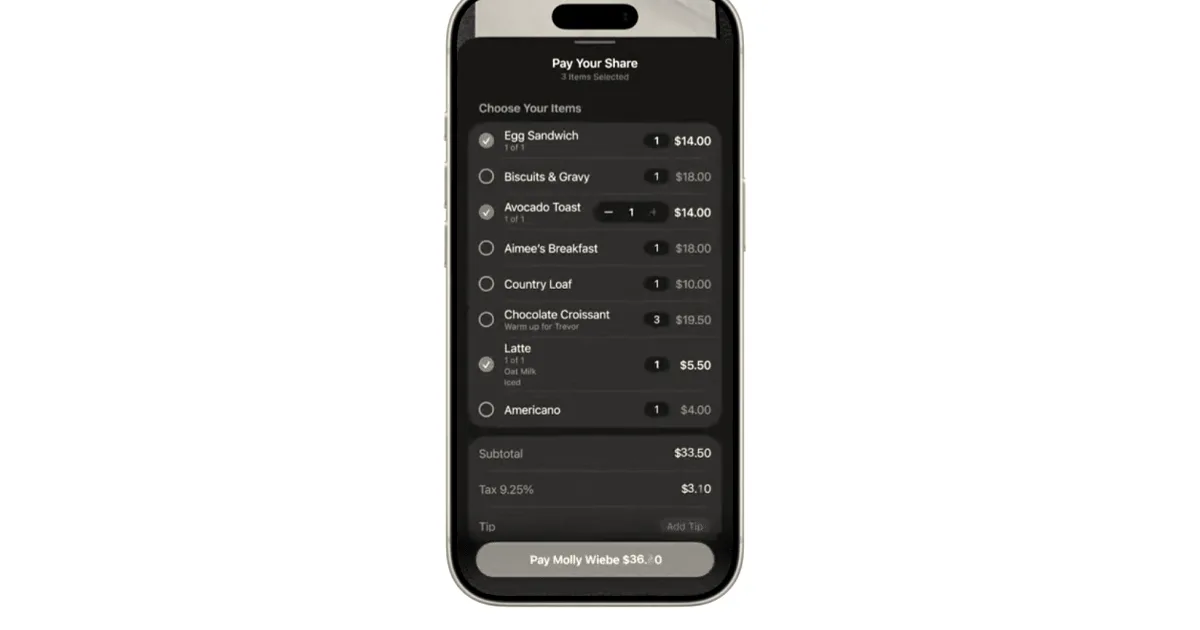
Apple has introduced a new feature at WWDC 2026, Apple’s annual developer conference, that allows users to point their iPhone camera at a receipt to split bills. The feature, which was presented during the event, integrates directly into the device’s camera interface to scan physical receipts. By bringing this utility directly into the native camera application, the company is attempting to streamline a common transaction process that typically requires manual calculation or external software. This integration represents a shift toward embedding financial tools directly into everyday hardware functions, allowing users to handle group expenses without leaving the camera interface.
Once the camera is pointed at a receipt, the system allows users to select specific items on the bill and send Apple Cash payment requests to others. This process utilizes Siri within the Camera app to make individual items on the receipt selectable, allowing users to keep track of who ordered each item and send separate payment requests depending on what they actually ordered. According to Apple, the feature is intended to make bill splitting a less awkward and drawn-out experience. During Apple’s presentation, Sebastien Marineau-Mes, Apple VP of Software, explained the functionality: “If you’re grabbing a bite with friends and point your iPhone at the bill, then [you can] select what you ordered to split the tab with Apple Cash,” he said. Ideally, this integration should reduce the social friction and delays associated with dividing group expenses.
While third-party applications such as SplitWise and Tab already offer similar receipt-scanning and bill-splitting functionalities, they require users to download separate software and manually coordinate payments. Apple’s alternative leverages its native ecosystem, allowing the transaction to occur directly through its built-in camera and payment infrastructure. Because these payment features exist within the architecture of native applications, such as iMessage, the process of sending and receiving payment requests is designed to feel more organic for users who do not have to go out of their way to download external tools. This native approach addresses a common adoption barrier for third-party utilities, which often struggle to gain widespread popularity because they require all participants to install the same application.
Why it matters
Apple is embedding financial utility directly into its native camera and payment architecture, aiming to reduce social friction by removing the need for third-party apps.