Policy & Regulation
Amodei denies Anthropic ever pushed to ban open-weight models
Anthropic CEO Dario Amodei said Monday his company has never advocated banning open-weight AI models, though he still views China's authoritarian government as a distinct danger.
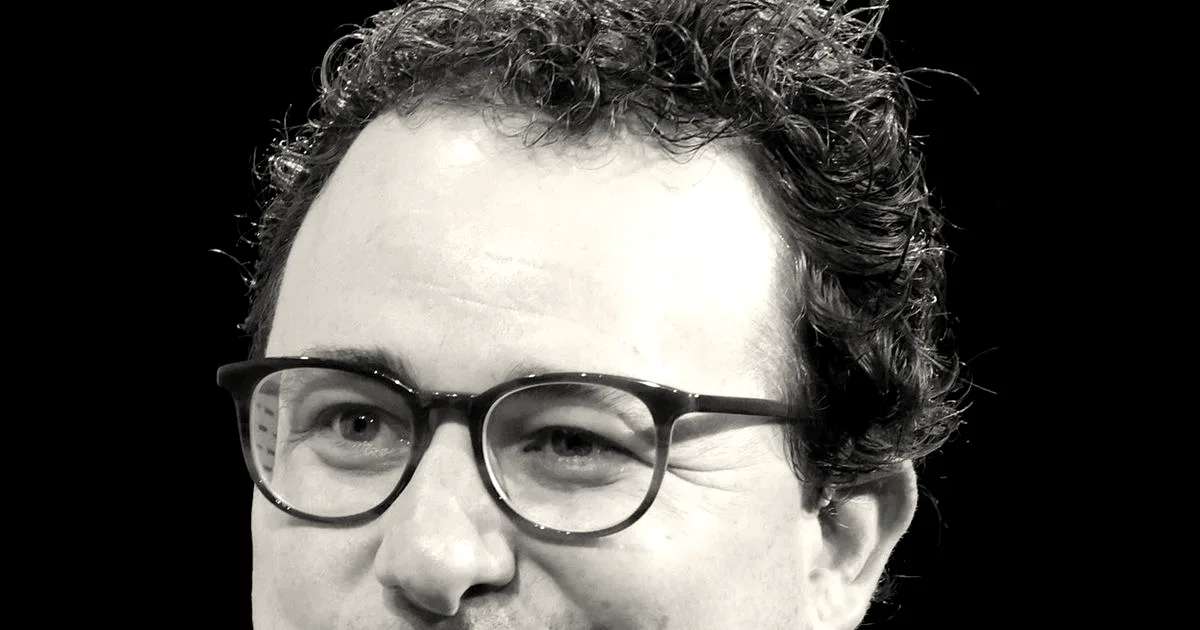
Anthropic founder and CEO Dario Amodei pushed back Monday afternoon on murmuring in the industry that his company somehow supports US government efforts to ban open-weight Chinese models, or open-weight models generally. “Anyone who has read my past writing should know that I don’t regard such bans as a useful measure, but let me state it clearly so that there is no doubt: Anthropic has never advocated for a ban on open-weights models,” he wrote, with the emphasis his own.
His response followed an open letter that Nvidia founder and CEO Jensen Huang shared on X on Friday — his first post on the platform — in which Nvidia and a long list of other AI companies, including Hugging Face, Meta, Microsoft, and Mistral, urged policymakers not to impose broad, premature restrictions on open-weight AI models. The letter didn’t name China, but the industry debate has centered on allegations that Chinese AI labs are growing in capability often by stealing intellectual property from their American counterparts, including through distillation, a method where one model is bombarded with prompts to learn how it works. The US has previously threatened sanctions against China over such alleged IP theft involving American models.
In a Monday blog post, Amodei said he places open-weight models that lack dangerous capabilities in a different bucket than the threat China poses, calling them a public good that cost nothing beyond the compute needed to run them and that provide value to businesses, developers, and researchers. His real fear, he said, is that authoritarian governments — with the Chinese Communist Party the most capable among them, though not the only one he’s concerned about — will build more powerful models to achieve permanent military superiority or repress their own people, and that open-weight models are harder to guardrail or monitor once released. He cited a UK AI Security Institute report noting that open weights, once released, cannot be withdrawn. Open-source advocates counter that access to powerful models not controlled by a single entity actually helps defenders protect themselves — the view Amodei’s post argues against specifically in the China context.
Amodei listed steps he believes would counter China, including restricting its access to powerful chips — a longstanding US policy — and a formal crackdown on distillation. He also said he supports growing efforts, some led by the US, to build a global model-safety testing organization, provided the entire world, including China, agreed to take part, noting the Trump administration has moved in that direction in recent months and that industry proposals now envision testing the most capable models regardless of origin or openness while exempting smaller startups and academic labs.
Why it matters
Amodei’s split — welcoming open-weight models as a public good while singling out authoritarian state actors as the real risk — signals that the fight over AI safety policy is shifting toward state actors and global testing regimes rather than blanket bans on open models.