Apps & Consumer
Google Chrome accelerates release schedule to two weeks
Google is accelerating Chrome’s release schedule to a two-week cadence, a move that coincides with rising competition from AI-powered browsers like OpenAI’s ChatGPT Atlas and Perplexity’s Comet.
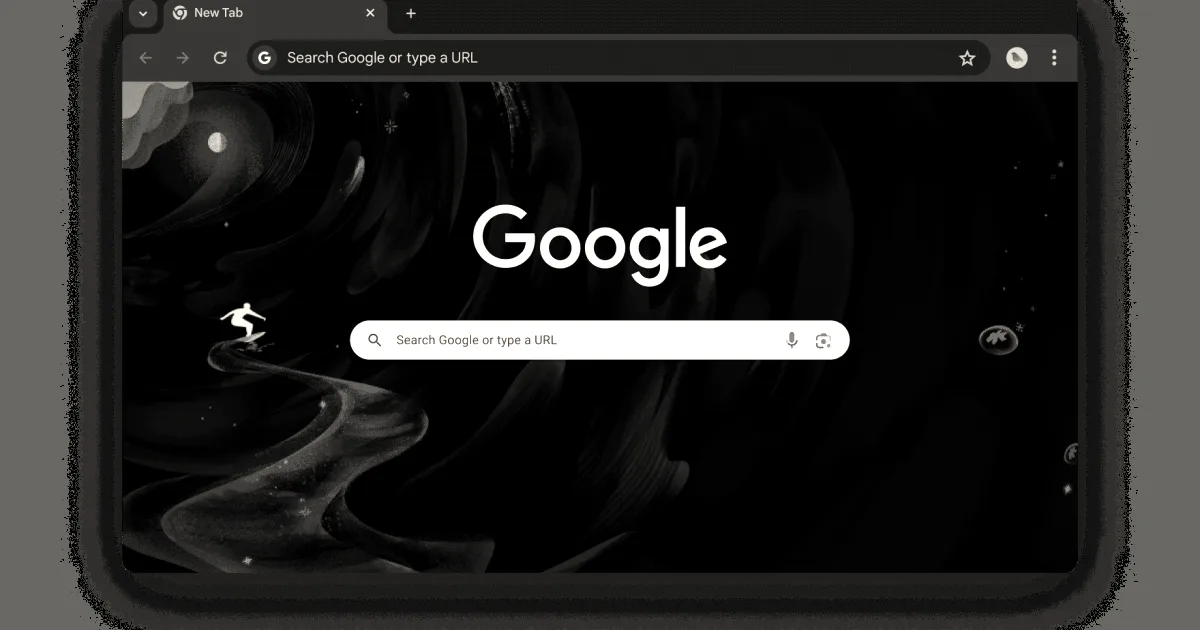
On Tuesday, Google announced that it is shifting its Chrome web browser to a two-week release schedule, doubling the frequency of its updates. Starting September 8, 2026, with the beta and stable versions (ver. 153), the new release cycle will apply across all platforms, including desktop, Android, and iOS. This marks a transition from the previous four-week release schedule. No changes are being made to other early release platforms, such as the Dev and Canary channels.
The acceleration comes as AI-powered browsers from companies like OpenAI, Perplexity, and others attempt to carve out a space for themselves. The move comes at a time when Chrome is facing what could one day become real competition from these artificial-intelligence model providers. These competitors are attempting to rebuild the browser for an agentic web—defined as a web environment where tasks are automated on behalf of users. For instance, OpenAI’s web browser, ChatGPT Atlas, features a built-in AI assistant and is experimenting with various automations. Similarly, Perplexity’s browser, Comet, includes a sidecar AI assistant for all users, alongside tools like an email assistant and meeting scheduler for its paid customers.
Google stated that this latest schedule change is not AI-related. However, the company has been rapidly rolling out deeper integrations of Gemini, its own AI, into Chrome, including its own set of agentic features for autonomous tasks. Officially, Google says the new schedule reflects the ever-changing web platform and aims to ensure developers have immediate access to the latest tools and improvements. Under the new system, Chrome has committed to shipping a milestone in areas like stability, speed, or ease of use with each release, meaning those milestones will now come twice as frequently. This is in addition to the weekly security updates that were introduced back in 2023.
Meanwhile, the Extended Stable release—an enterprise-focused channel designed for administrators and Chromium embedders who require more time to manage updates—will remain on an eight-week cycle, as before. This option will also still be available to Chromebook users, as Google notes that this extended cycle allows enterprise administrators and Chromium embedders more time to manage updates.
Why it matters
The shift reflects the broader industry race toward an agentic web, where browsers are evolving from simple navigation tools into automated assistants. This evolution is forcing established incumbents to iterate faster to maintain their market relevance.