Policy & Regulation
Alex Bores faces millions in AI-backed opposition
AI-backed super PACs have committed at least $10 million to oppose New York congressional candidate Alex Bores, who championed state-level AI transparency legislation.
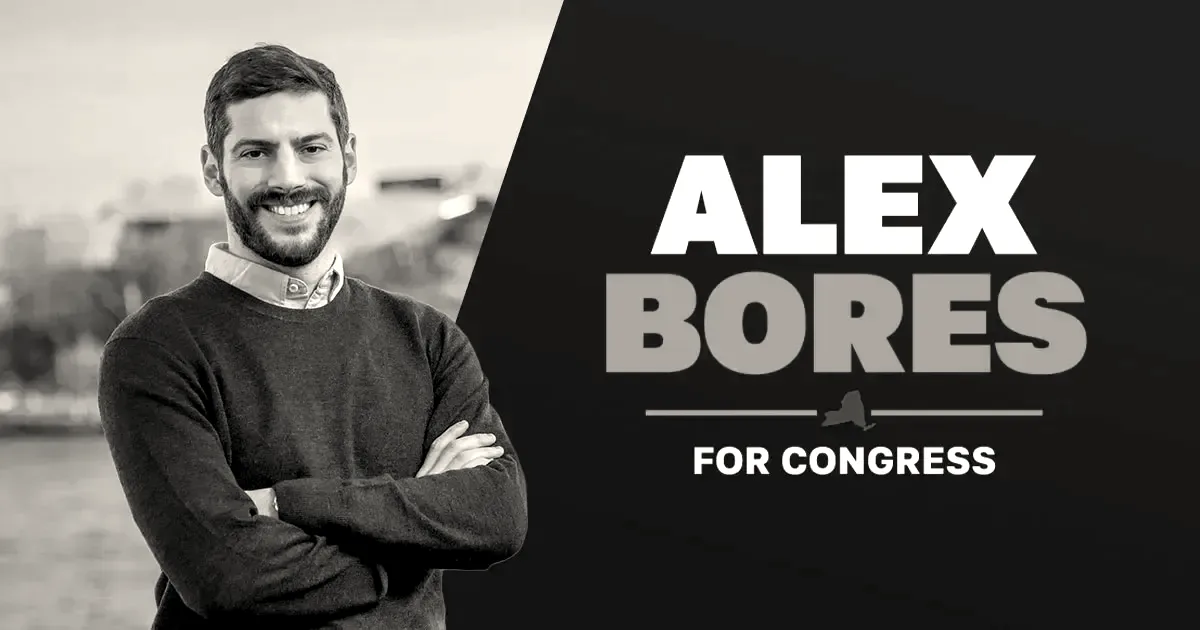
New York assembly member Alex Bores is facing a massive campaign against his congressional bid, with the super PAC Leading the Future—a political action committee that can raise unlimited sums of money—committing at least $10 million to defeat him. The PAC, backed by tech executives, is targeting Bores specifically for his legislative stance on AI. Opponents have run ads highlighting Bores’ past employment at Palantir, a data analytics company. However, Bores stated that he quit Palantir specifically over its work with ICE in 2019. He has faced criticism over the company’s role in powering the controversial raids and high-volume deportation efforts from U.S. Immigration and Customs Enforcement. Bores believes the PAC is targeting him because they view him as a threat to their quest for unbridled control over the American worker, children’s minds, climate, and utility bills.
The conflict stems from the RAISE Act, an AI transparency legislation Bores sponsored that was signed into law in December 2025. The law requires large AI labs with more than $500 million in revenue to maintain and report public safety plans. While Bores frames the law as transparency legislation, industry groups view it as a threat to their operations. Leading the Future has raised $125 million to target candidates in state elections introducing AI legislation, aiming to support candidates who favor a hands-off approach to regulating the technology.
This spending is part of a broader trend of tech industry influence in elections. Meta has contributed $65 million to two super PACs involved in state-level elections, while total industry donations from AI companies and executives reached at least $83 million in 2025. These groups are actively working to elect candidates who favor a hands-off approach to AI regulation. Bores noted that these massive sums contrast sharply with typical local campaigns, pointing out that the average assembly race in New York raises maybe $100,000 total.
Bores argues that his background in computer science and tech startups allows him to effectively challenge the industry’s narrative. While facing heavy opposition, his campaign has received $450,000 in support from Public First Action, an Anthropic-backed PAC. Bores, a New York assembly member, characterized the aggressive spending from opposing groups as an effort to force compliance. “This is not a ‘We want to have a piece of the conversation.’ This is: ‘We want to intimidate elected officials and browbeat anyone who doesn’t agree with us.’”
Why it matters
Tech companies and industry-backed PACs are spending millions to influence state and federal elections, specifically targeting candidates who support AI regulation like the RAISE Act.